
The Emotional Dimensions of Women's Crimes (Based on Lviv Regional Court' Records, 1850-1918)


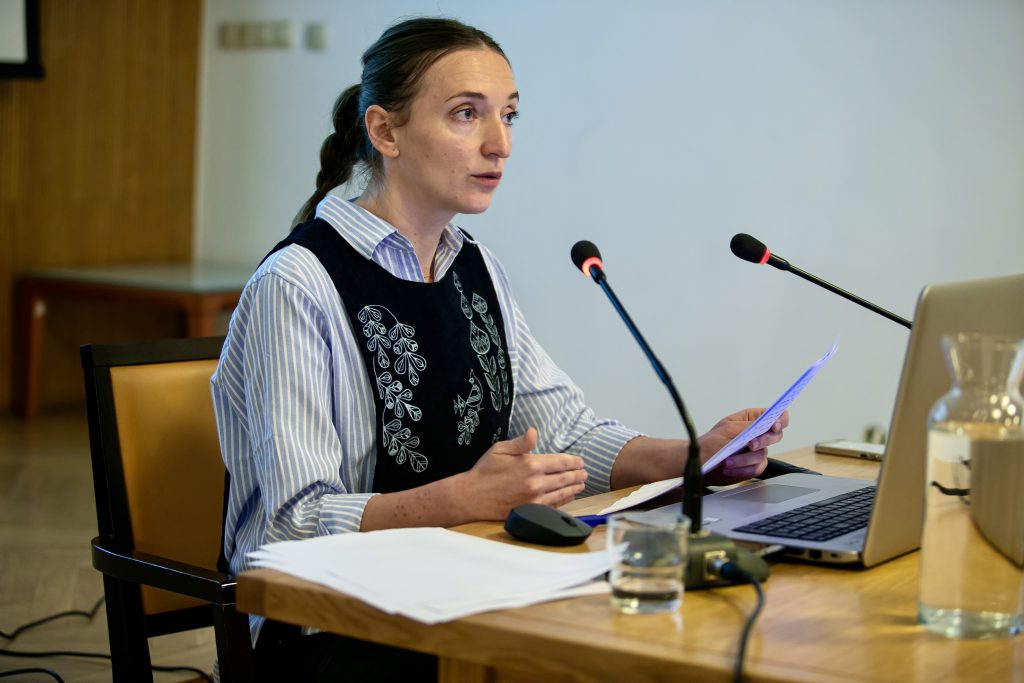
Dr. Ivanna Cherchovych
Center for Urban History7.10.2026, 18:30
Conference Room of the Center for Urban History
This lecture will attempt to examine one of the most common serious crimes committed by women in Galicia during the second half of the 19th and early 20th centuries—infanticide—as well as its legal treatment and punishment from the perspective of the history of emotions. If the goal of the history of emotions is to understand the past of emotions, their specific meanings during certain historical periods, and how these meanings evolved and changed for specific groups, communities, societies, or entire eras, then the aim of this lecture will be to explore the emotional life of the Galician court at the "turn of the century" in relation to a very specific crime committed by women—infanticide.
Toward the end of the 19th century, historians note a distinct shift in public attitudes toward this crime: instead of demonizing the young women accused of it, it became much more common to interpret their actions as the result of a broken social system—a product of a "sick" social order of which these women were hostages. Using a specific court case as an example, Ivanna Cherchovych will attempt to show how the accused were able to use this changed emotional regime to their advantage.
The story's protagonist is 26-year-old Maria Petryshyn, charged under Article 134 of the Austrian Criminal Code— homicide—which she committed against her daughter Anna. The uniqueness of her case lies not so much in the specifics of her criminal profile—most defendants charged with infanticide, just like Maria, were workers, most often employed in the domestic service sector, between the ages of 20 and 30, living below the poverty line—but rather in the story she crafted for the court, and most importantly, in her ability to convince others of it. In Maria's case, this was a particularly difficult task. The woman had already been convicted 11 times before this charge, which obviously significantly weakened her initial position. However, her extensive criminal history translated not only into undesirable facts in her biography but also into very practical experience—such as the skill of communicating with police, and consequently, an understanding of how the criminal justice system functions from the inside, what court proceedings look like, who the key players are, what factors in court can influence decision-making, and so on. Not only did Maria accumulate all this knowledge, but she also managed to use it to her advantage by insisting that her case be transferred from the district court in Rava-Ruska (the town where she committed the crime and was caught) to Lviv, and to have it heard during the next session of the jury court—a judicial body that had a reputation for being very lenient, especially toward young child murderers.
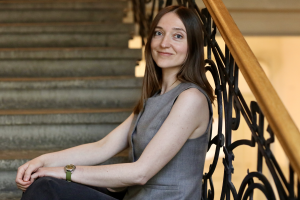
Dr. Ivanna Cherchovych
Center for Urban HistoryHistorian, Candidate of Historical Studies, with a focus on gender and women’s history (2014, Ivan Krypiakevych Institute of Ukrainian Studies, National Academy of Sciences of Ukraine). At the Center for Urban History, she had been coordinating the development of the educational platform REESOURCES. Since 2023, she has been a head of educational projects. Her research interests focus on women’s and social history in late 19th-century Habsburg Galicia.

Dr. Roksolyana Holovata
Center for Urban HistoryEvent moderator. Historian and art historian, head of the Lviv Interactive platform. Her research interests include historical urbanism, the perception of urban space, Lviv’s artistic networks and their manifestations in the city’s public space in the long nineteenth century, and the history of the conservative movement in interwar Poland.
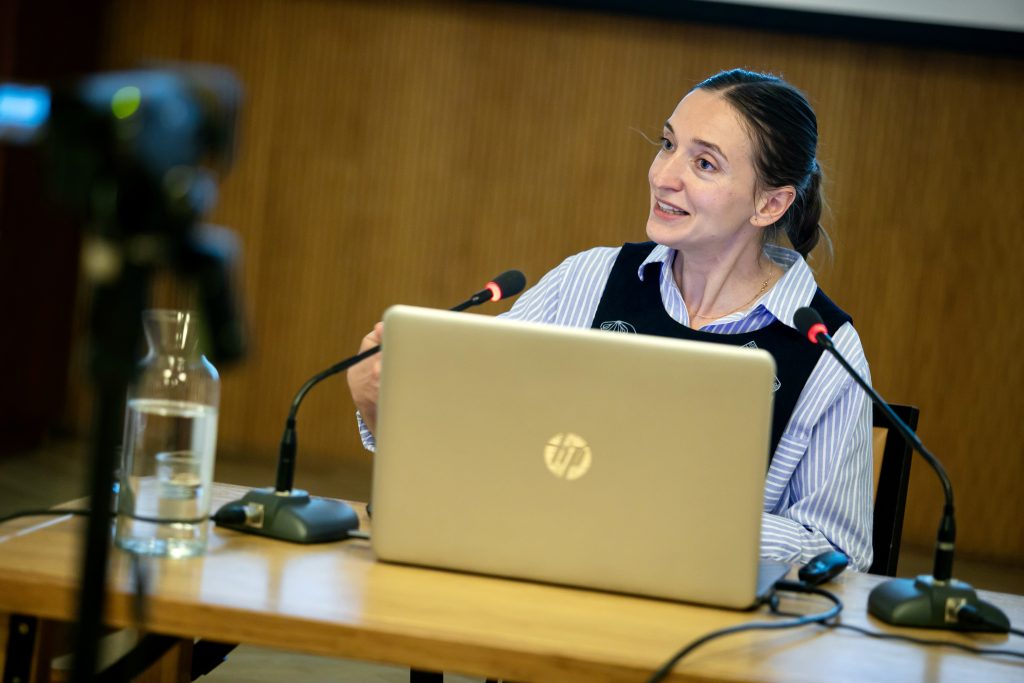
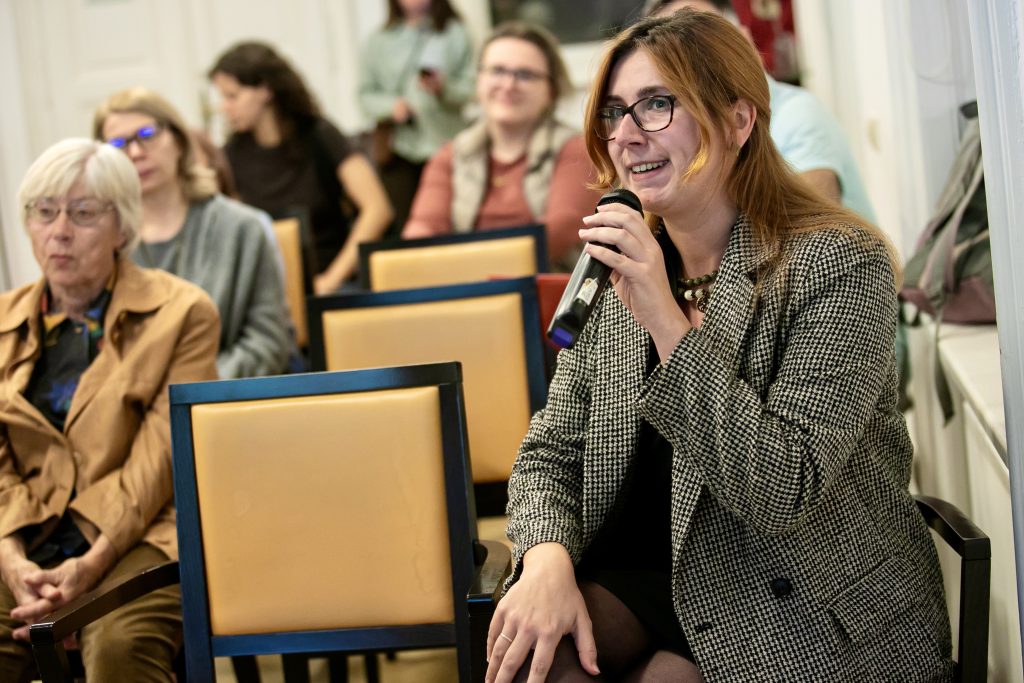
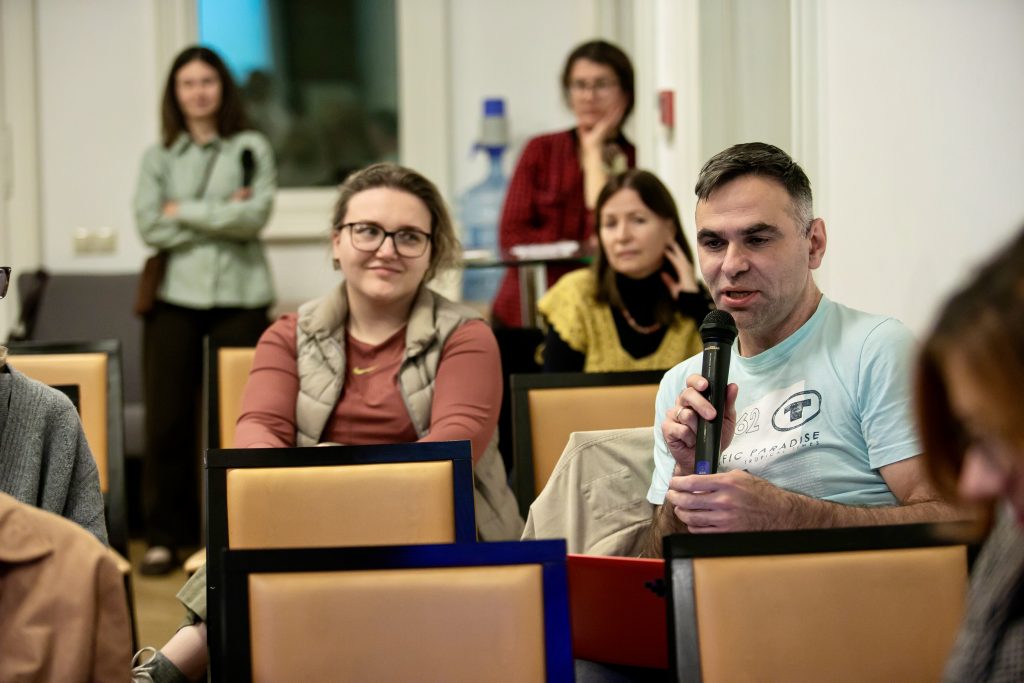
Credits
Cover Image: An illustration depicting the trial of a woman in the magazine "Chwila" / Chwila: tygodnik ilustrowany. Lwów, 1907, nr 13
Gallery: Iryna Sereda