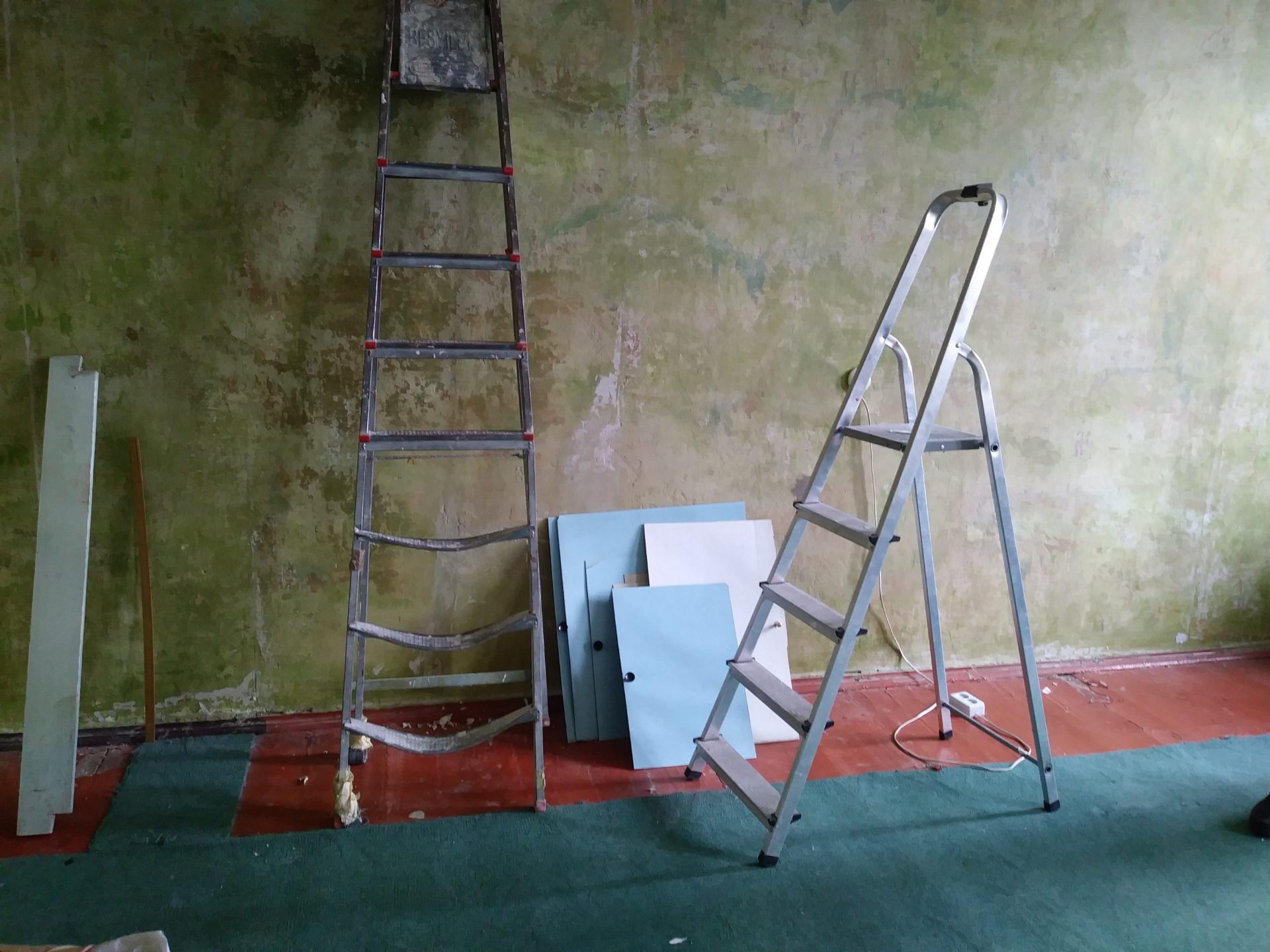
Housing in Times of Change


Kateryna Malaia
Kharkiv School of Architecture28.5.2026, 18:30
Conference Room of the Center for Urban History
We invite you to the lecture by Kateryna Malaia, which continues the public program, "Let's Have a City".
Housing serves as a lens through which to understand historical change. Traditional narratives about historical events often focus on dates, those in power, and larger-than-life phenomena—democracy, socialism, authoritarianism, modernization, and so on.
This conversation, on the other hand, will focus on a monumental historical rupture—the collapse of the USSR—through the lens of an urban apartment. We will explore how the daily lives of post-Soviet people changed, and with them, their lives.
The Soviet Union collapsed, but housing remained. And not just Soviet housing, but also housing from earlier periods, radically altered by communist standards of nine square meters per person. How did our relationship with housing change after the collapse of the USSR, and what role did our homes play in shaping us as no longer Soviet citizens? Is there anything in common between renovating a Khrushchev-era apartment and an Austrian apartment?
The lecture will outline the methodological challenges of micro-historical approaches to architecture: tracking and documenting changes in everyday life, as well as ways to address them. Through the lens of everyday practices, we will trace both the continuity and the changes in the flow and form of urban housing during perestroika and after Ukraine gained independence. We will discuss kitchens, partitions, drywall, and renovation as a habitus.
Kateryna Malaia
Kharkiv School of ArchitecturePhD, architectural historian, and author of Taking the Soviet Union Apart Room by Room: Domestic Architecture before and after 1991 (NIUP/ Cornell UP, 2023) and Mass Housing in Ukraine: Building Typologies and Catalogue of Series, 1922–2022, co-authored with Philipp Meuser (DOM Publishers, 2024). Her latest co-edited volume with Nathan Hutson, Protests Beyond the Plaza: Everyday Space, Urban Morphologies, and Strategies (Routledge, 2026), explores protest and urban form beyond traditional public spaces.
Dr. Sofia Dyak
Center for Urban HistoryModerator of the lecture. Historian, Director of the Center. Her research interests include post-war urban recovery and transformation in Eastern Europe, heritage infrastructures and practices in socialist cities, and their legacies. She is preparing a manuscript with the preliminary title “New Lives in Old Cities: Postwar Lviv and the Power of Accommodation.”
Credits
Cover Image: Renovations / photo by Kateryna Malaia
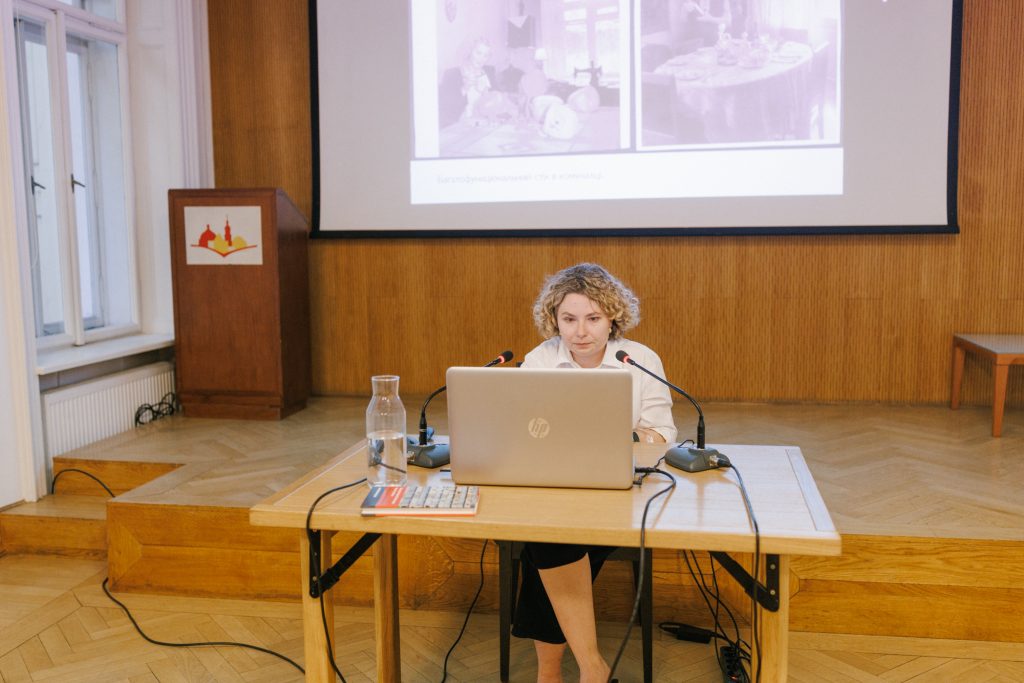
Gallery: Mariia Urban