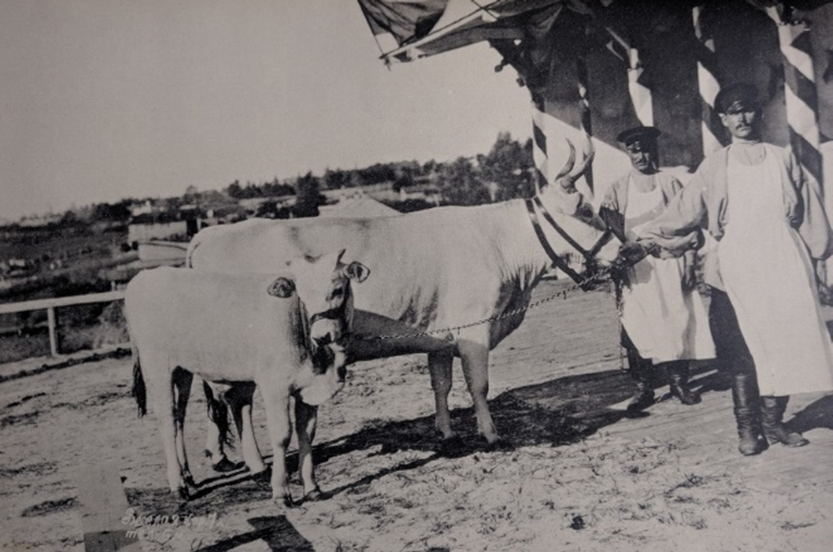
To Eat or Not to Eat Meat? Dietary Reform, Animal Husbandry, and the Pathologies of the late Romanov Empire


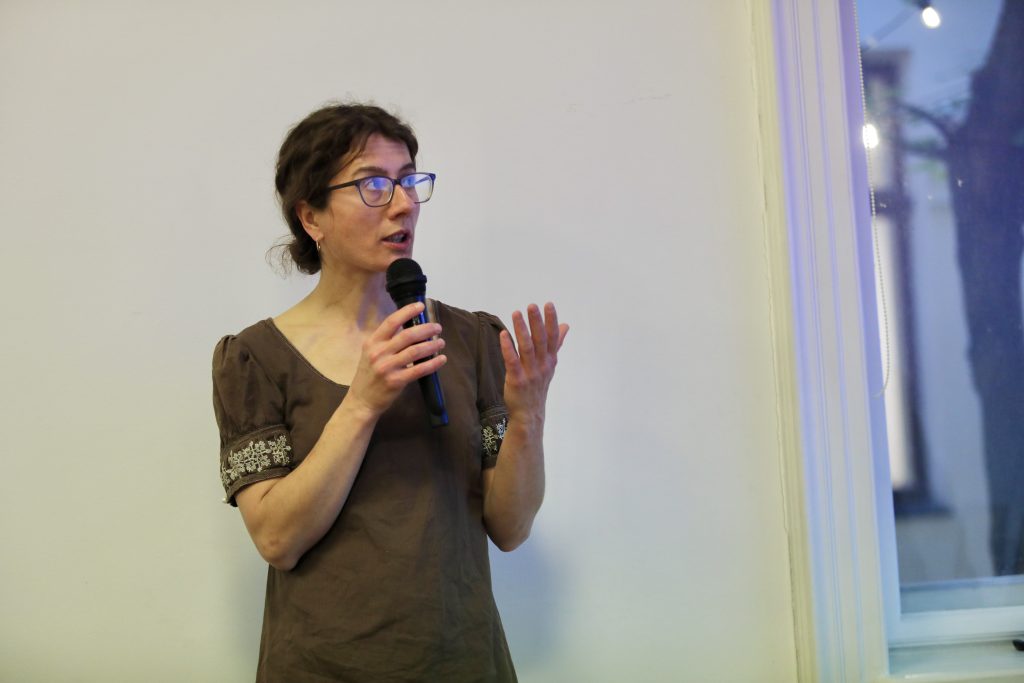
Dr. Julia Malitska
Center for Baltic and East European Studies (CBEES) at Södertörn University21.5.2026, 18:30
Conference Room of the Center for Urban History
We invite you to the lecture by Julia Malitska, which continues the public program, "Let's Have a City".
Between 1860 and 1917, the late Romanov Empire underwent sweeping transformations of modernity: the institutionalization of new sciences of nutrition, veterinary medicine, and zootechnics; the industrialization of slaughter practices and the commodification of livestock; the reform and commercialization of agriculture; as well as a profound transformation of conceptions of food, consumption, and corporeality. The development of communication networks during this era drew non-Russian societies and regions even more closely into the imperial system, while simultaneously intensifying mechanisms of resource extractivism.
The societies of the empire were active participants and creators of the complex processes of modernity. On the one hand, critique of modernity spread and so-called "life reform movements" emerged, including vegetarianism, the temperance movement, anti-vivisectionism, the animal welfare movement, clothing reform, and broader social initiatives. These movements were both a product of and a critique of industrialization, urbanization, the development of mass communications, and deeper social transformations. On the other hand, expert communities and social reformers sought to modernize agriculture with the aim of developing commercial livestock farming. These processes were accompanied by the emergence of "meat anxieties" and the gradual establishment of meat as the norm in the human diet.
The lecture will demonstrate how these interrelated dynamics transformed not only the relationship between humans and animals in the Romanov Empire, but also the interaction of societies with the environment as a whole.
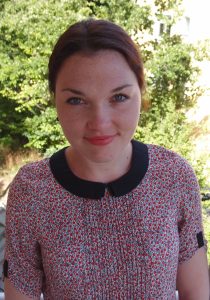
Dr. Julia Malitska
Center for Baltic and East European Studies (CBEES) at Södertörn UniversityPhD in History, researcher at the Department of History and Contemporary Studies and the Center for Baltic and East European Studies (CBEES) at Södertörn University in Stockholm. She is the author of scholarly works on the history of Russian imperialism and colonialism in the Northern Black Sea region, the history of Swedish and German colonists, and the history of vegetarian activism in the late Russian Empire. Her research interests include the imperial history of Ukraine and Eastern Europe, the history of life reform movements, and the intertwined histories of the environment, food, science, and empire in Eastern Europe.
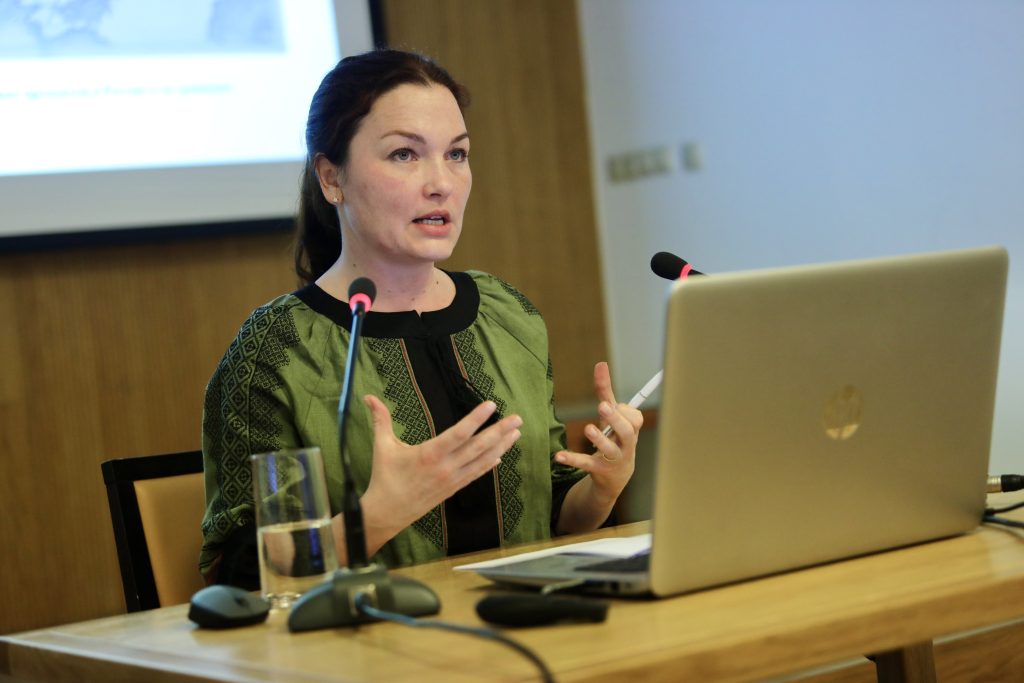
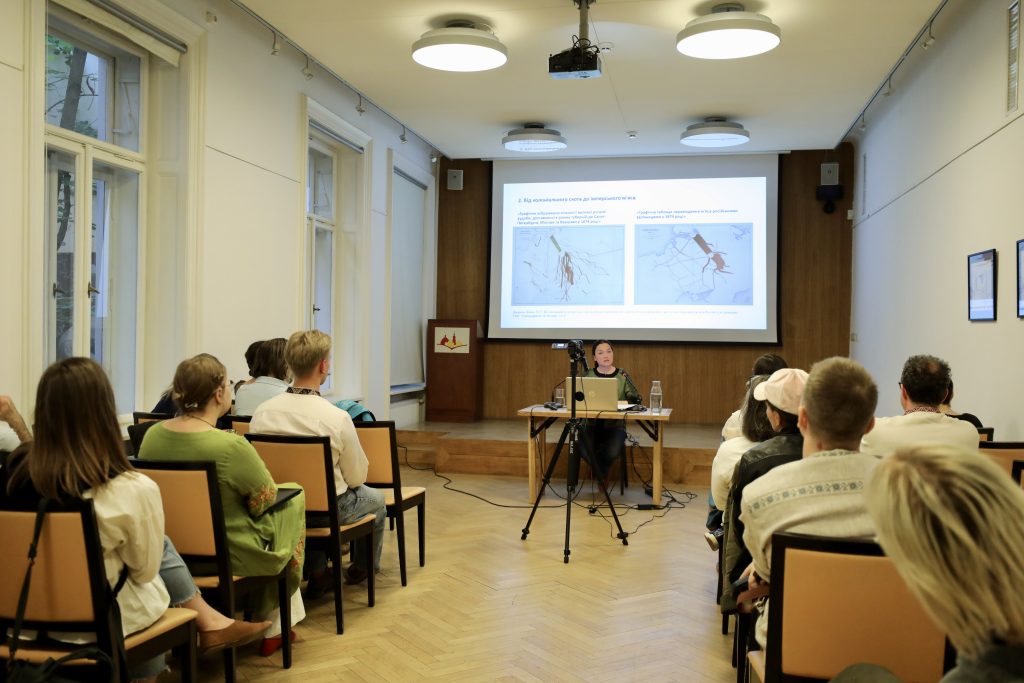
Credits
Cover Image: Gray Ukrainian cows from Stepan Dekonsky's farm / Kyiv Exhibition, 1897
Gallery: Iryna Sereda