Temporarily Permanent? How Ukrainian Women in Sweden Live Amid War, Bureaucracy, and Plans to Return to Ukraine


Svitlana Odynets
Mid Sweden University5.11.2026, 18:30
Conference Room of the Center for Urban History
Since the start of Russia's full-scale invasion, millions of Ukrainians who have left the country have been living in a state that can be described as neither emigration nor return. Even before 2022, millions of Ukrainian citizens lived between two countries—working in one and investing in the other, Ukraine—the onset of the full-scale war has made this division and disconnection between their two worlds even more acute. In Sweden today, more than 50,000 Ukrainians have temporary protection, which is renewed year after year but does not provide a clear answer to the question: what comes next?
During the lecture, which continues the public series "Source as a Choice," Svitlana Odynets will draw on her research to analyze how people experience this uncertainty in their daily lives. She focuses on highly educated Ukrainian women who have faced various challenges within the Swedish welfare system and who live with a dual burden of responsibility. For the most part, they are the sole or primary caregivers responsible for ensuring their children's safety and helping them settle into life in a new country, while simultaneously continuing to serve as the primary caregivers—even from a distance—for family members who remain in Ukraine. The Swedish government offers Ukrainian women rapid integration into the labor market, but mostly into low-skilled jobs with no long-term prospects. Yet even when Ukrainian women wanted to have their degrees recognized and learn the language to work in their field, they often cannot do so because of a lack of time (they need steady work to support their children), and their own uncertainty about the future, since many of them want to return to Ukraine and live there as soon as the war enters a low-intensity phase or ends. Their qualifications are often devalued by both the Swedish labor market and the women themselves, and they must make decisions about work, education, children, and a possible return to Ukraine without knowing of how long their "temporary" legal status will last or what will happen next in Ukraine.
The key concept of the lecture will be "temporal dissonance," which describes the gap between Ukrainian and Swedish conceptions of time—time as it subjectively experienced over a lifetime, the time of motherhood, career, and partnership. Drawing on in-depth interviews with Ukrainian women in Sweden and comparisons with other European countries, the lecturer will demonstrate the everyday strategies Ukrainian women in Sweden employ amid years of uncertainty, and will attempt to challenge the widespread notion in Ukrainian discourse that most people who left have already integrated and will not return. We will also try to find answers to broader questions: what will happen when the Temporary Protection Directive expires in March 2028, what our Ukrainian experience teaches us about refugee reception policies in Europe, and—most importantly—what it teaches us about ourselves.
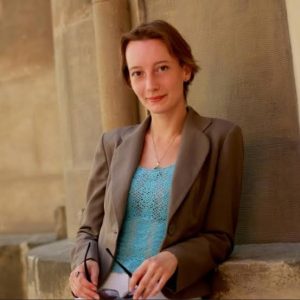
Svitlana Odynets
Mid Sweden University and Vilnius UniversitySocial anthropologist, migration researcher, and essayist. She holds a PhD in History with a specialization in ethnology. She currently works at Mid Sweden University and Vilnius University, and also lectures at the Ukrainian Catholic University, where she teaches master’s-level courses on Ukrainian migration and social anthropology. She is also a researcher on a project about transnational caregiving in migrant families. During her research residency at the Center for Urban History, she is working on a book about Ukrainian women migration in independent Ukraine.
The event will take place as part of the public program "Source as a Choice" organized by the Center for Urban History in partnership with Documenting Ukraine / IWM and Research Centre Ukraine / Max Weber Foundation.
During the meetings, researchers will share their work with various sources on war and mass violence in the twentieth and twenty-first centuries. The choice to create and preserve sources can be one of the tools for embodying this violence or, on the contrary, for opposing it. Our choice to talk about these events through the prism of certain sources creates a field in which the complex past will live on in the present and future.
Credits
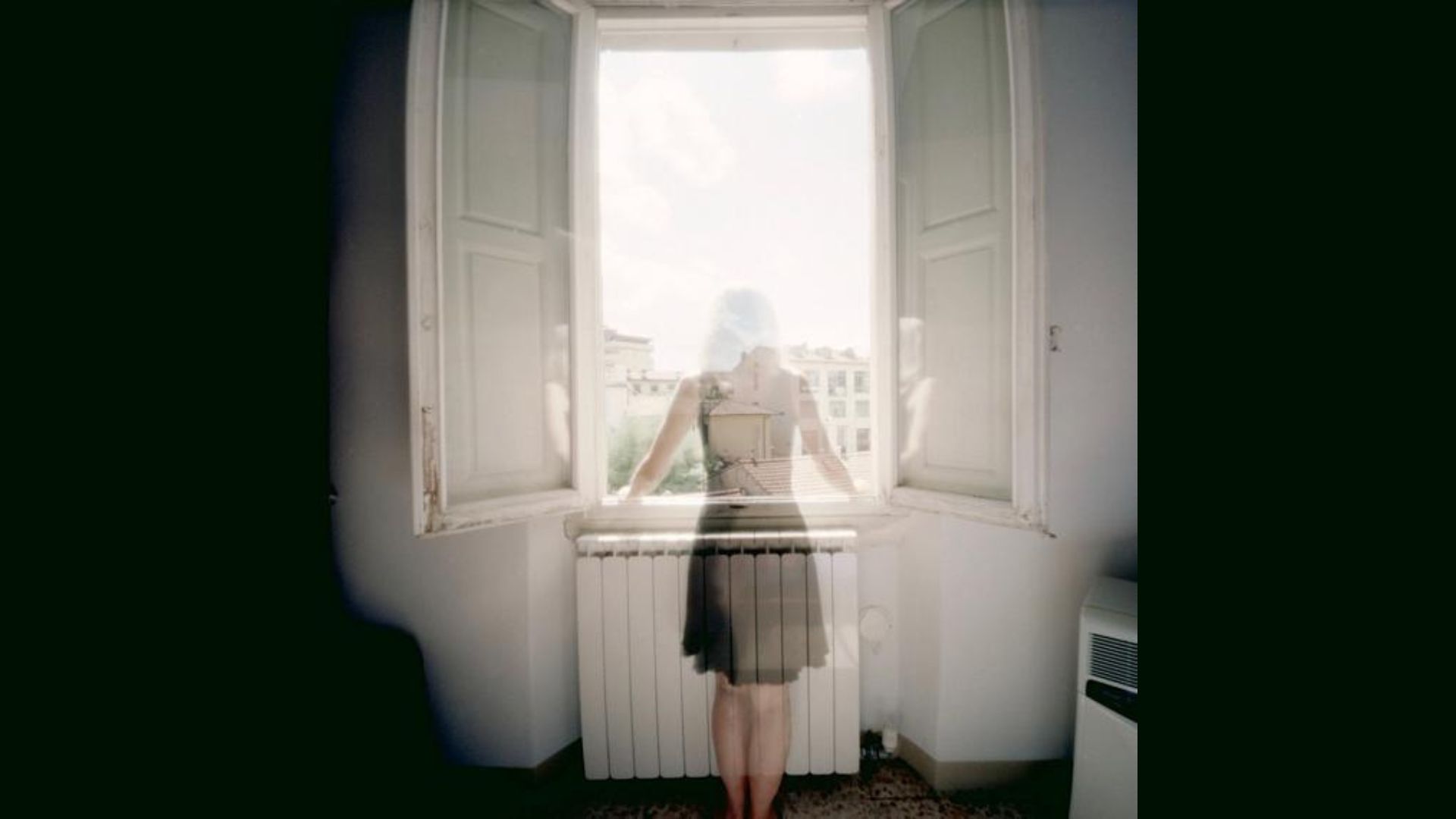
Cover Image: From the "Correspondence" series © Alessandra Capodacqua, 2023