From Rapid Response to Longitudinal Research: Creating an Interview Archive during the War


Dr. Natalia Otrishchenko
2022 - 2027
An interview is a method that combines different temporalities. During a conversation, people recall the past, reflect on the present, and express their wishes for the future. However, when the recorder is turned off, the digital footprint of lived and embodied conversation — an audiofile in MP3 format, for instance — takes on a life of its own in new contexts and situations. It is transcribed, analysed, and — ideally — disclosed for interested users with respect to the narrator's safety and well-being. How do participants in war documentation projects envision the future of their testimonies? What does the interview archive mean to them? For what purposes would they like these conversations to be used? What are their visions on sensitivity and various future scenarios?
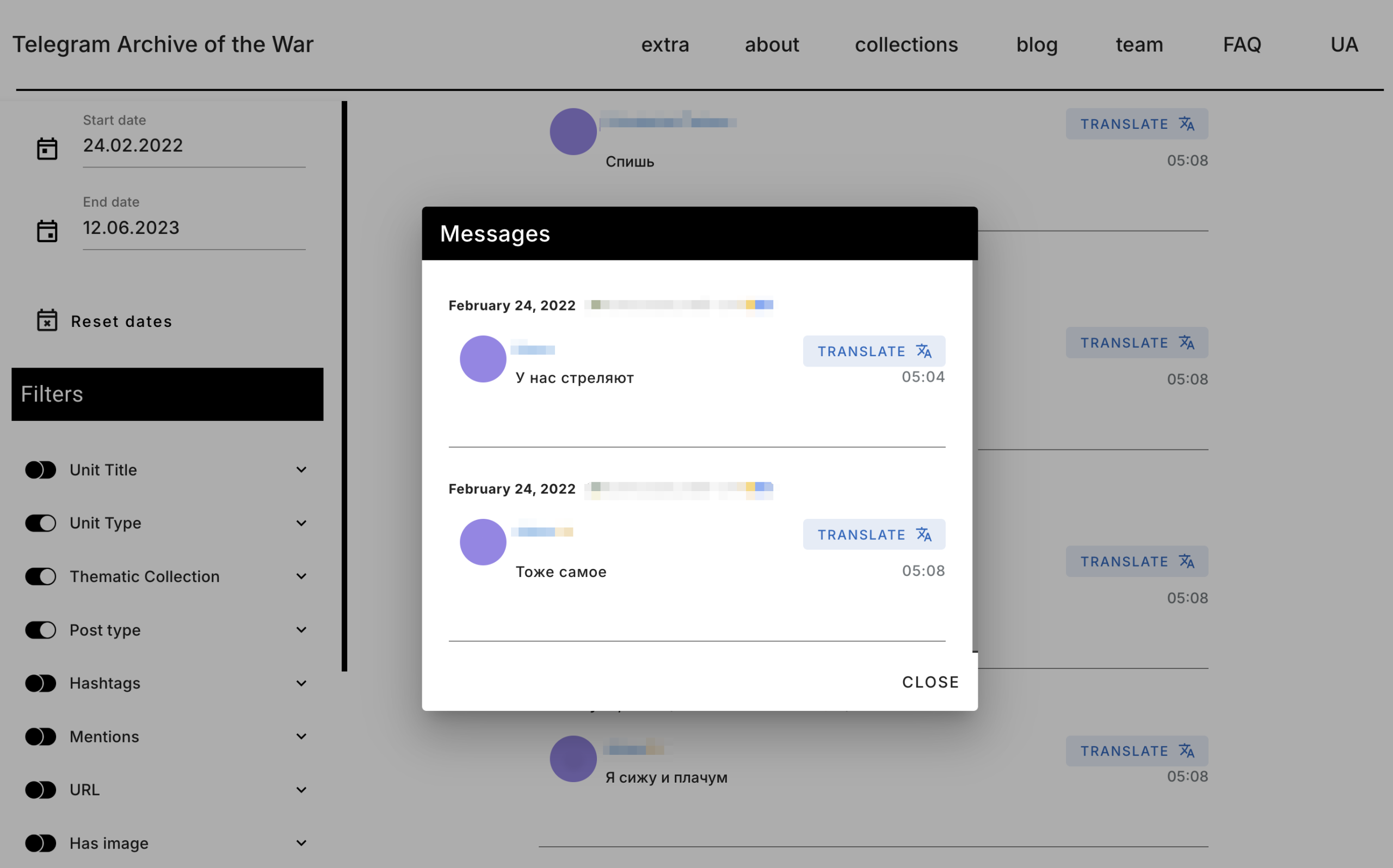
In the spring of 2022, the Center for Urban History team launched a series of documentation projects. One of them, "24.02.22, 5 am: Testimonies from the War", aimed to record and preserve the everyday dimension of living through the war by those people who were internally displaced or who reoriented their professional lives to volunteering. This initiative was one of the rapid responses to the challenge of a full-scale Russian invasion. At the same time, it was originally planned as the first stage of a participatory, longitudinal study that would result in a digital archive of oral testimonies from the war. Based on these conversations and follow-up interviews with the same people, whom the team met again in 2024-25, Natalia aims to outline the specifics of people's perceptions of documentary work. She also hypothesises that reflecting on the future of the recordings during the interview itself, beyond the discussion and signing of informed consent, allows for a more nuanced approach to long-term work with war stories.
As part of this research, Natalia focuses on the specifics of applying longitudinal methodology to the situation of ongoing war. This approach has traditionally been used to study stable and predictable populations (Henderson, Holland, & Thomson, 2006) or the effects of previously experienced traumatic events on individuals' life trajectories and self-perception (Cohen, 2014; Connolly et al., 2023; Jordan et al., 2022). However, such projects inherently assume an unthreatened present when people can reflect on past events from a temporal distance. When both the present and the future are at stake, a longitudinal methodology applied to interviewing and archiving helps to reassemble the individual and social timelines, both backward (from the present to the past) and forward (from the present to the future).
Publications
Collective volumes:
- 2026: Otrishchenko, N. (ed.). Conversations with those who ask about war. transcript Verlag (forthcoming)
- 2025: Довжик, С. Назарук, Т. Отріщенко, Н. (ред.). Документування війни: між Україною і світом. Львів: Центр міської історії.
- 2024: Отріщенко, Н. (ред.). Розмови з тими, хто питає про війну. Львів: Центр міської історії.
Journal special section:
- 2025: Otrishchenko, N., Wylegała, A. Introduction to the Special Section on Emergency Response Research and Documentation in a Comparative Perspective. Communist and Post-Communist Studies 58 (3): 1–8. doi: https://doi.org/10.1525/cpcs.2024.2315136
Articles:
- 2025: Otrishchenko, N., Kharchenko, A., & Shevchenko, V. Ukrainian Researchers in a War Documentation Project: Intertwined Experiences and Methodologies. Communist and Post-Communist Studies 58 (3): 9–29. doi: https://doi.org/10.1525/cpcs.2025.2465577
- 2025: Otrishchenko, N. War-Time Ethical Review Committee: Reflections from Ukraine, 8-12. In: Dionigi, Filippo et al. Forum: Rethinking Ethics Review for International Relations Research. International Studies Perspectives, https://doi.org/10.1093/isp/ekaf004
- 2024: Отріщенко, Н. "Я хотіла якусь правду донести": Мотиви участі в усній документації війни, 25–32 / Війна, наука та емоції: (не)проговорене. Збірник матеріалів Міжнародного воркшопу (м. Чернігів, 21-22 лютого 2024 р.), ред. С. Маховська. Київ: ТОВ "Юрка Любченка".
- 2022: Shumylovych B., Makhanets O., Nazaruk T., Otrishchenko N., Brunow D. "Preserving the now!" Mediating Memories and Archiving Experiences in Ukraine. NECSUS_European Journal of Media Studies. #Materiality, Jg. 11. [Link]
Events:
- 2023-2026: The Most Documented War. Symposium for Documentation and Archiving Initiatives
- 2025: Archiving Oral Histories of the Present: Description and Processing
- 2024: Practice of Longitudinal Research. Internal U-CORE Seminars
- 2023: Ethics of Rapid Response in Research and Documentation: From Pandemic to Invasion
- 2022: Research in the Context of Violence and Trauma Seminars
Credits
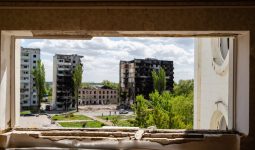
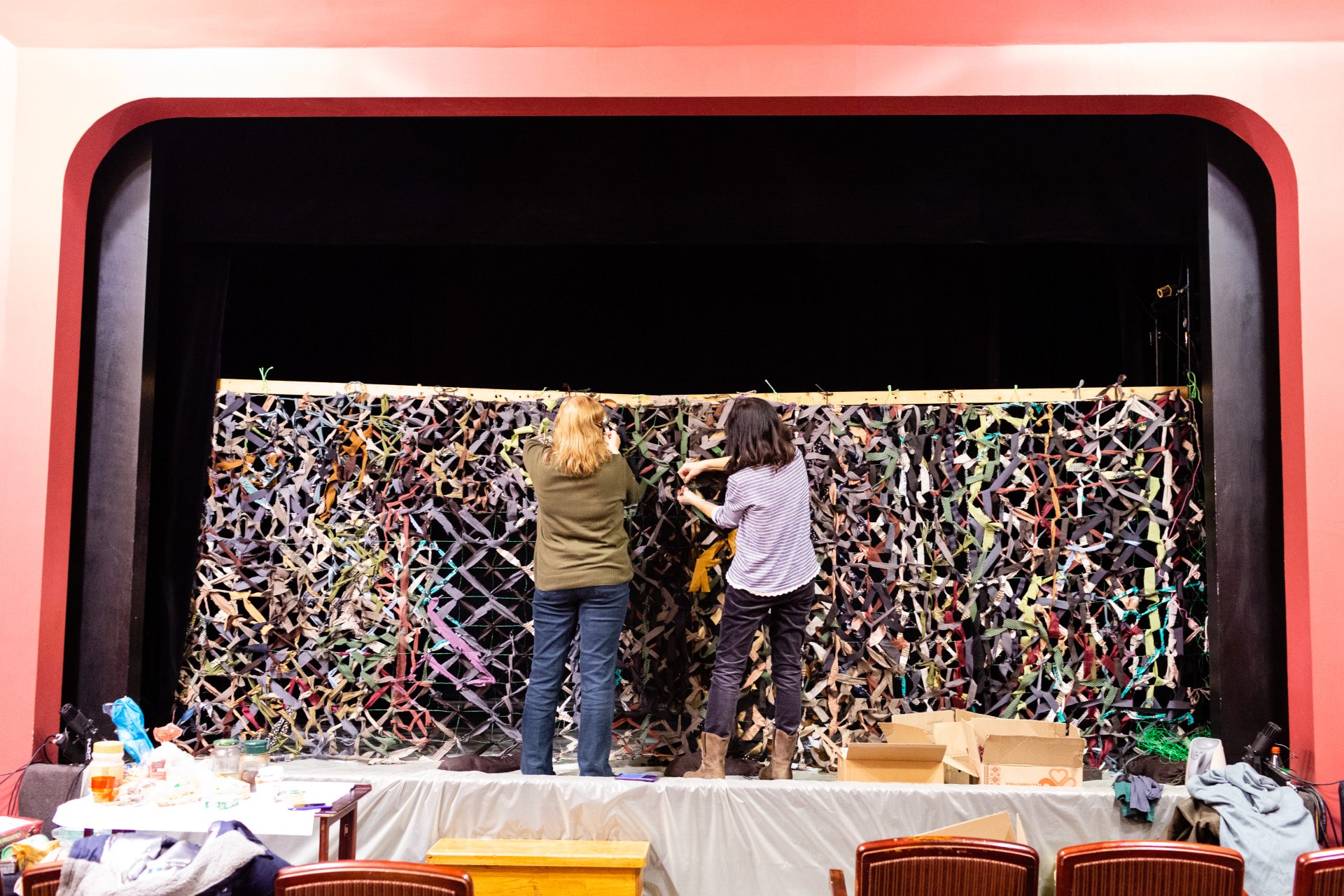
Cover Image: photo by Kateryna Moskaliuk / Visual Documentation of War collection / Urban Media Archive of the Center for Urban History