The First Woman of Science: Cities and Missions of Sofia Okunevska


Dr. Alla Shves
NGO "SVOYA. Women's Network for Education and Development"11.2.2026, 18:30
Conference Room of the Center for Urban History
The idea of a modern city as a space of change and innovation often discorded with the inertia of patriarchal traditions, overlooking those who, despite obstacles and extraordinary efforts, created science, culture, and changed the world. For Lviv in the late nineteenth century, modernity was manifested in particular in the emergence of women in fields that were previously considered typically male, such as science and medicine.
On the International Day of Women and Girls in Science, we invite you to talk about Sofia Okunevska, the first Ukrainian doctor in Austria-Hungary who became not only a symbol of emancipation but also a figure who changed the medical face of Lviv.
The experience of Sofia Okunevska is a unique illustration of how difficult it was for modernity to make its way through the social fabric of the cities of that time. Her fate is a kind of local amalgam of different cities, each of which became either a conservative barrier or a space of opportunities on the way to professional fulfillment.
We will trace the routes and professional experiences of Sofia Okuniewska in several cities of the Austro-Hungarian Empire. For example Lviv became the center of SSofia Okunevska's education, which, despite conservatism, allowed the girl to violate the legal conditions and pass the high school exam (matura) at the Academic Gymnasium. Later, she defended her doctorate in Zurich. Instead, Vienna and Krakow became real challenges for Okuniewska's professional realization. Due to bureaucratic resistance in Krakow, the young doctor of science faced a long refusal to have her diploma nostrification and medical practice.
But it was in Lviv that Sofia Okunevska soon became an integral part of the city's intellectual and medical landscape, particularly in the field of gynecology. And the Narodna Lichnytsia became not only a place of Sofia's practice, but also an opportunity to introduce world scientific innovations. It is in Lviv that Okuniewska's professional path intersects with the scientific legacy of Marie Skłodowska-Curie. The visit of the Polish-French scientist to Lviv, who presented the city with valuable radium, became the basis of Sofia Okunevska's radiation therapy method for saving women from cancer. In this way, Marie Skłodowska-Curie's radium in the hands of Sofia Okunevska turned from a laboratory discovery into an urban life-saving practice.
Sofia's scientific experience went beyond the classroom, and her work later continued in a camp for interned Ukrainians in the Austrian Gmind, where she saved women and children. After returning to Lviv, when women's studies had already begun to take shape institutionally, Sofia joined the Society of Women with Higher Education.
In addition, she co-authored the first women's almanac, The First Wreath (1887), published in Lviv. Although she did not choose to become a writer, her participation in this project demonstrated the emergence of a new female identity in the city.
During the lecture, we will not only reconstruct the past, but together with contemporary scholars of the city, we will talk about the continuity of women's experience in science and the challenges facing researchers today.

Dr. Alla Shves
Literary scholar, Doctor of Philology, leading researcher at the Taras Shevchenko Institute of Literature of the National Academy of Sciences of Ukraine, Professor of the Department of Journalism and Mass Communication at Lviv Polytechnic National University, Head of the NGO “SVOYA. Women’s Network for Education and Development,” member of the Ukrainian Association of Women’s History Researchers.
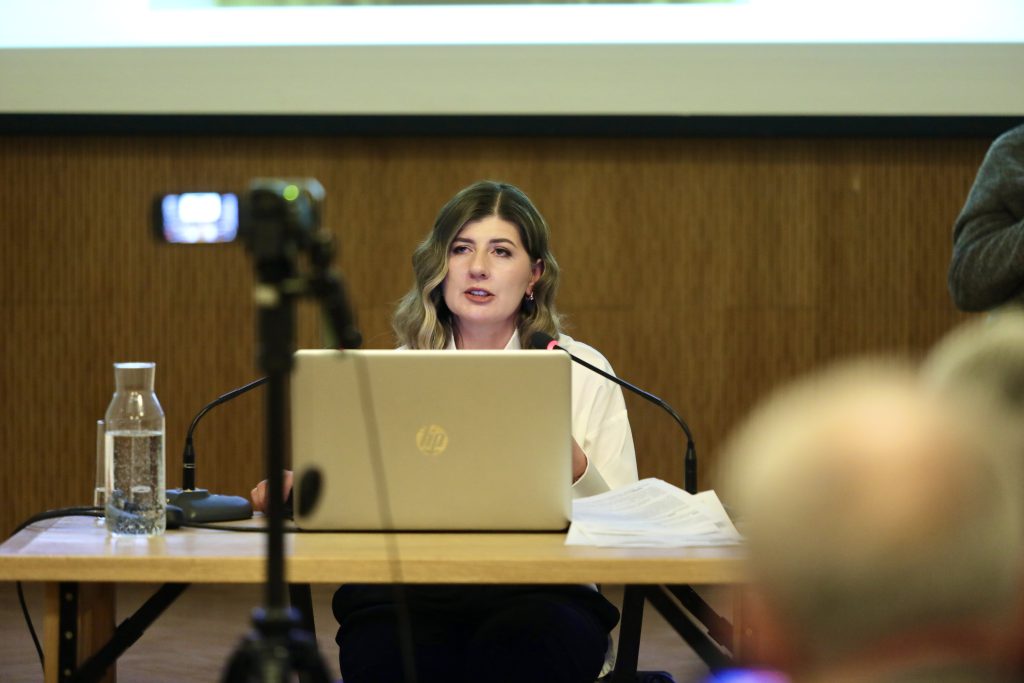
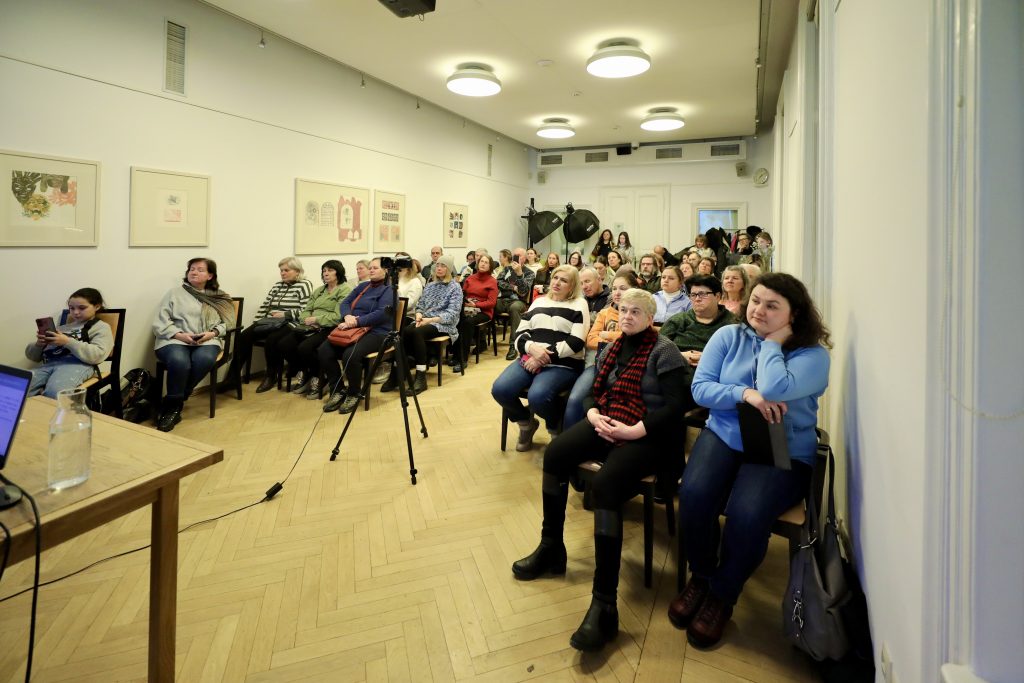
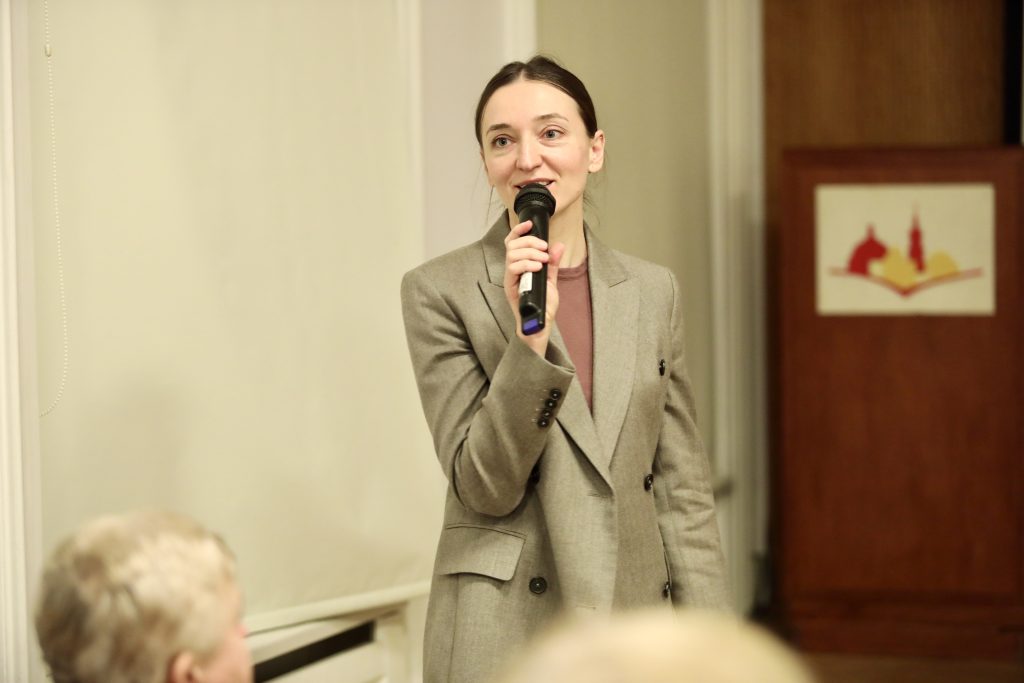
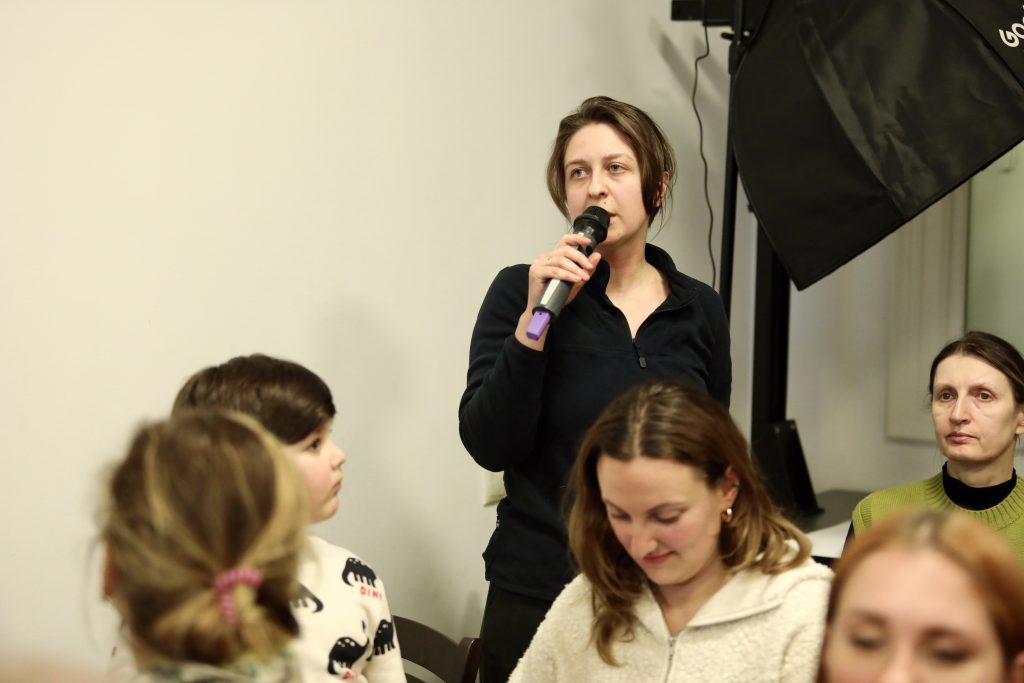
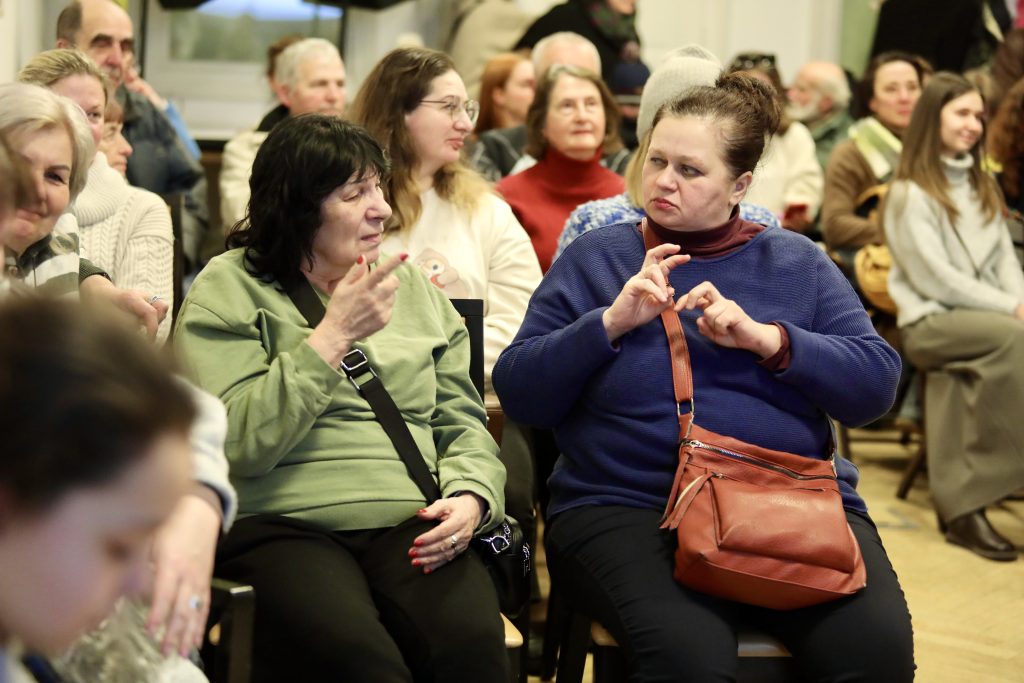
The lecture dedicated to the International Day of Women and Girls in Science will be held as part of the Center's public program "Let’s Have a City". The co-organizers of the event are the Center for Urban History and the NGO "SVOYA. Women's Network for Education and Development".
Credits
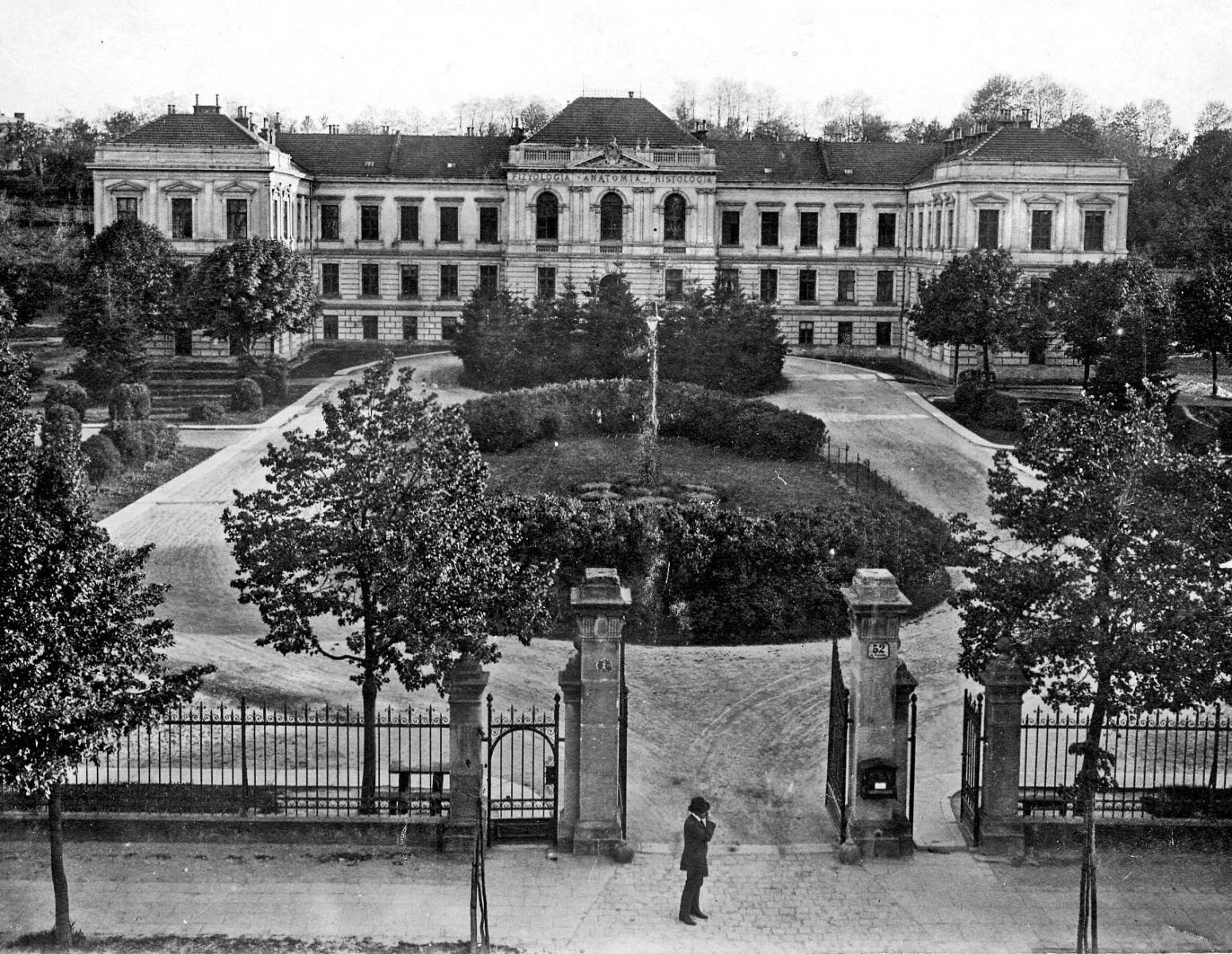
Cover Image: First Buildings of the Lviv University Medical Department / Collection of the Lviv Historical Museum / Urban Media Archive of the Center for Urban History
Gallery: Iryna Sereda