Hideouts: Architecture Of Survival


Natalia Romik, Kuba Szreder, Liana Blikharska
3.9.2026, 18:30
Jam Factory Art Center
We invite you to the public talk, which continues the program "From Place to Place: Stories from Scattered Archives."
After escaping from the Janowska camp, probably in 1942, Henryk Streng entered a closet to survive and hid there until 1944, when he finally left it as Marek Włodarski. What does it mean for a person to disappear, to become absent, in order to be able to exist? What does it mean for a space to fulfill a protective function and to contain information about it?
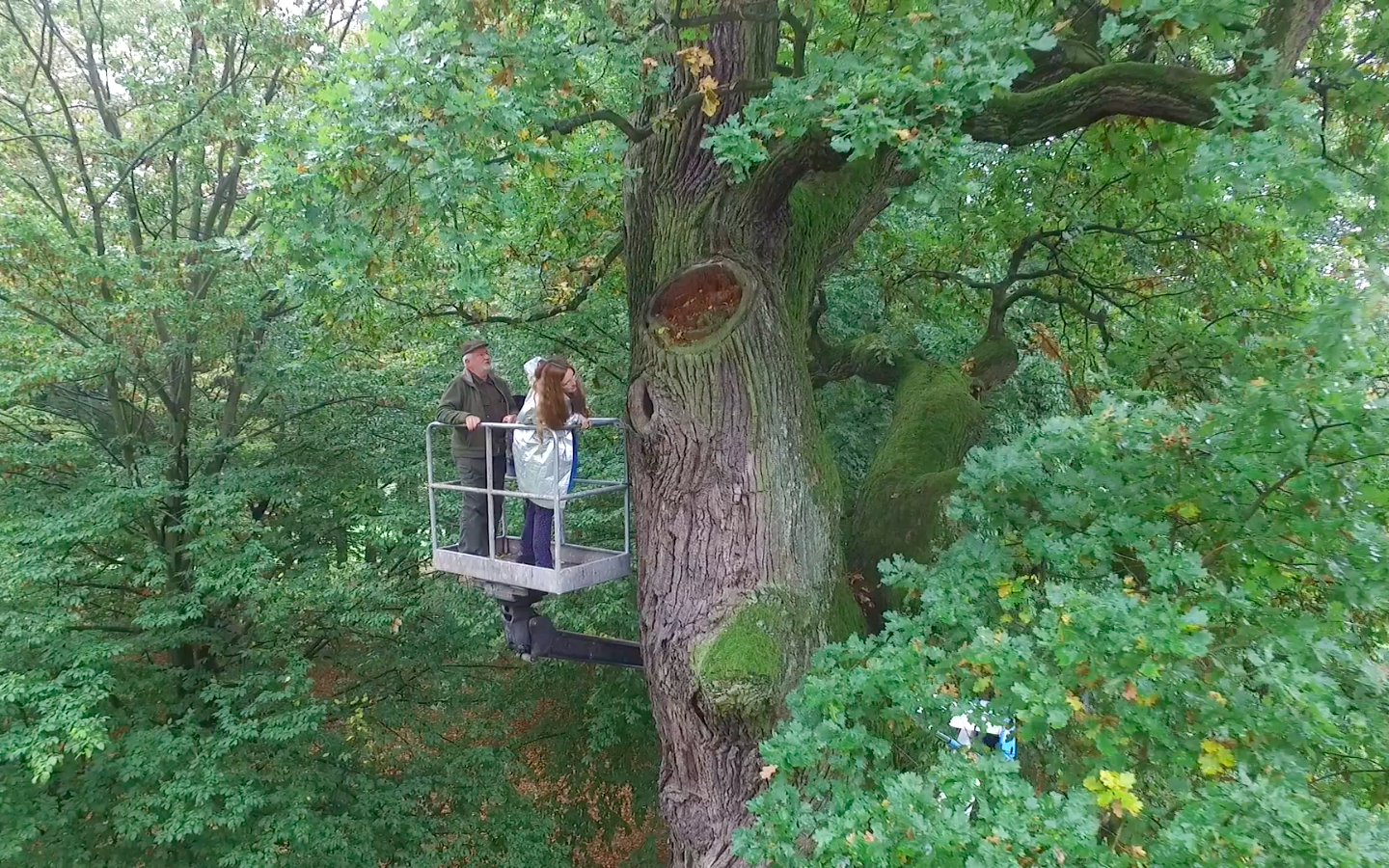
During the Holocaust, closets, walls, sewers, tree hollows, caves, and empty graves became hiding places where survival depended on temporary invisibility. At the same time, an attic had to look like an ordinary attic, and a tree like an ordinary tree. These spaces were created out of the necessity of the moment and its urgency, often in places entirely unsuitable for this purpose. At the same time, they had to remain almost unchanged in appearance to fulfill their intended function. Assembling them, ensuring secrecy or, conversely, exposing them became the responsibility of ordinary people: those who hid, sheltered and helped, or prevented and betrayed. Today, these hiding places form part of flats and residential buildings, streets, parks, or even below-ground infrastructure. Lviv is one of the cities where these hiding places and the experiences they held have become part of everyday routes. How do we live with them, alongside and within? What should we do when, without asking anyone's permission, they have become part of our personal history?
What is a hideout, and what does "hiding" mean? Are they always solely about the physical and the material? What are the consequences of hiding? Could they also refer to an emotional state, an idea, or a practice that one needs or wishes to conceal, or, for example, an archive that is concealed or hidden until it is requested and opened? What else can a hiding place contain, apart from people? What functions does it fulfill, apart from simply concealing? How does the boundary between the private and the public shift when survival is at stake? How can one explore a place that was created to remain invisible? How can one understand and work with what is absent? And what changes when it becomes visible?
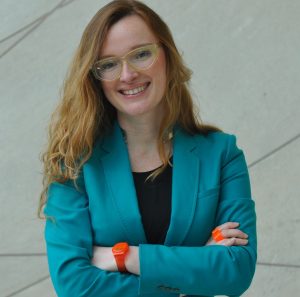
Natalia Romik
Wissenschaftskolleg zu BerlinArtist, architect, political scientist. She earned a PhD from the Barlett School of Architecture at University College London, defending her dissertation titled “Post-Jewish Architecture of Memory in the Former Shtetls of Eastern Europe.” She is the creator of the “Nomadic Shtetl Archive” project. In 2021, during a research residency at the Center for Urban History, Natalia studied various local sites that served as Jewish hiding places.
Kuba Szreder
Academy of Fine Arts in WarsawCurator and associate professor at the Academy of Fine Arts in Warsaw. In 2016, he earned his Ph.D. from the School of Art at Loughborough University with a dissertation on the social aspects of independent curating. He has extensive experience curating research-based and site-specific art projects. His current research interests include the curation of artistic research, new models of art institutions, and post-artistic theory and practice.
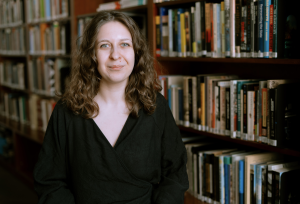
Liana Blikharska
Center for Urban HistoryLiana Blikharska is a historian working with the Urban Media Archive at the Center, contributing to the Visual War Documentation collection. Currently completing her PhD at the Ukrainian Catholic University, she is writing an intellectual biography of the historian Ivan Krypiakevych. In 2024, she held a fellowship at IWM focused on developing a methodology for an “Emergency Response Archive,” aimed at documenting the Russian war against Ukraine. Her research interests span intellectual history, oral history, digital humanities, the role of volunteering during wartime, digital archiving, interwar education in Galicia, and the contested heritage of World War II.
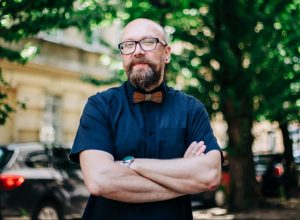
Bohdan Shumylovych
Ukrainian Catholic UniversityModerator of the discussion. Historian, art historian, associate professor in the Department of Cultural Studies at UCU, and affiliated researcher at the Center for Urban History. His work focuses primarily on media history and the history of television in Central and Eastern Europe and the USSR, as well as urban creativity, media art, and visual studies.
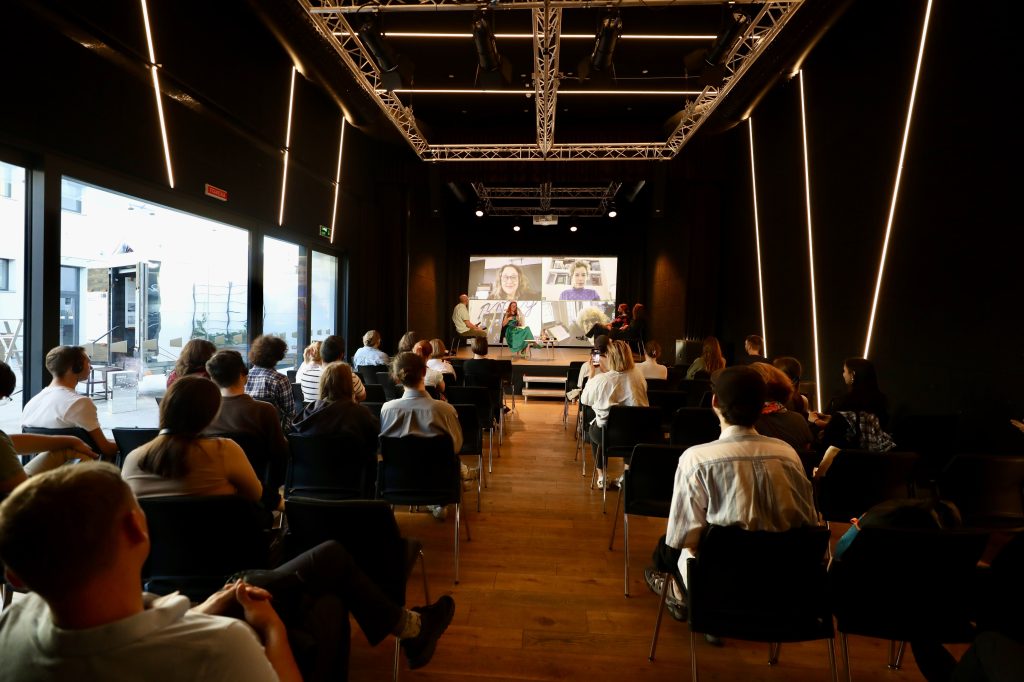
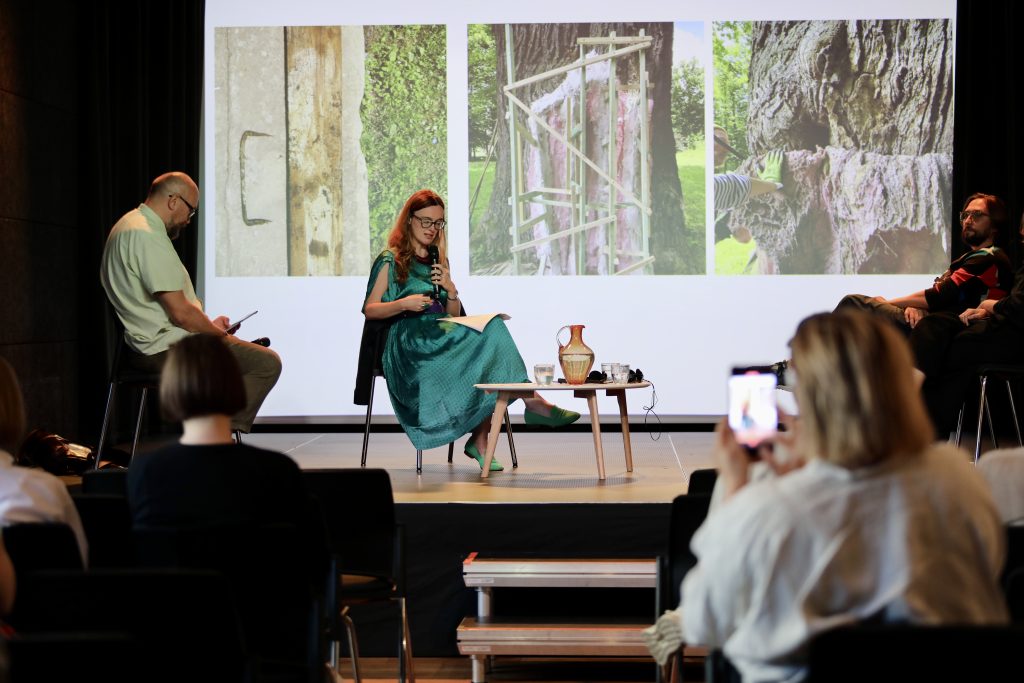
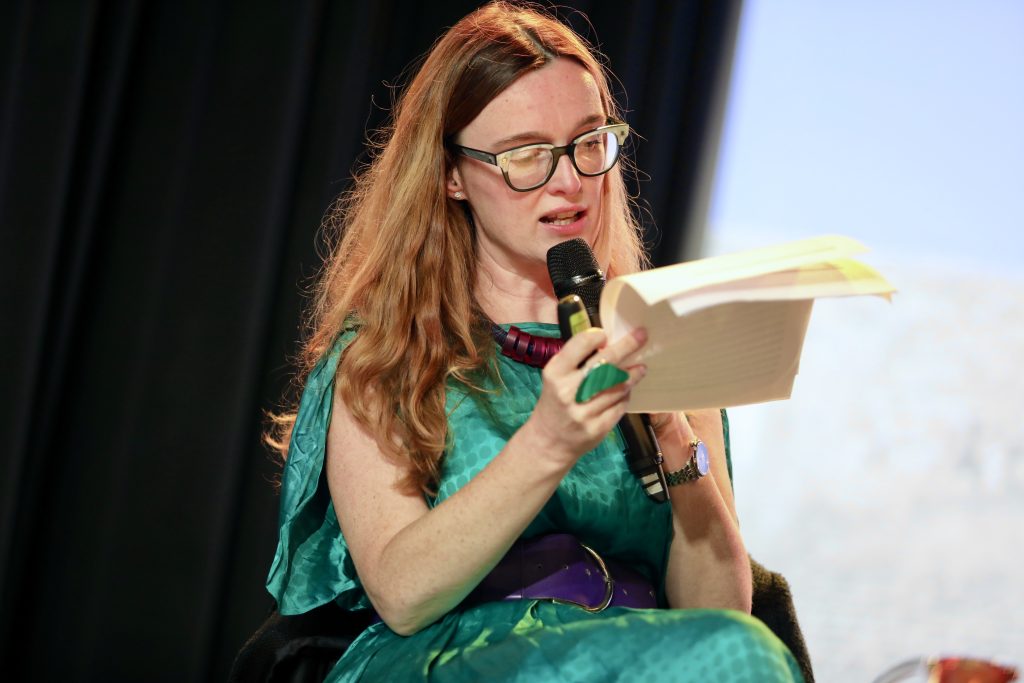
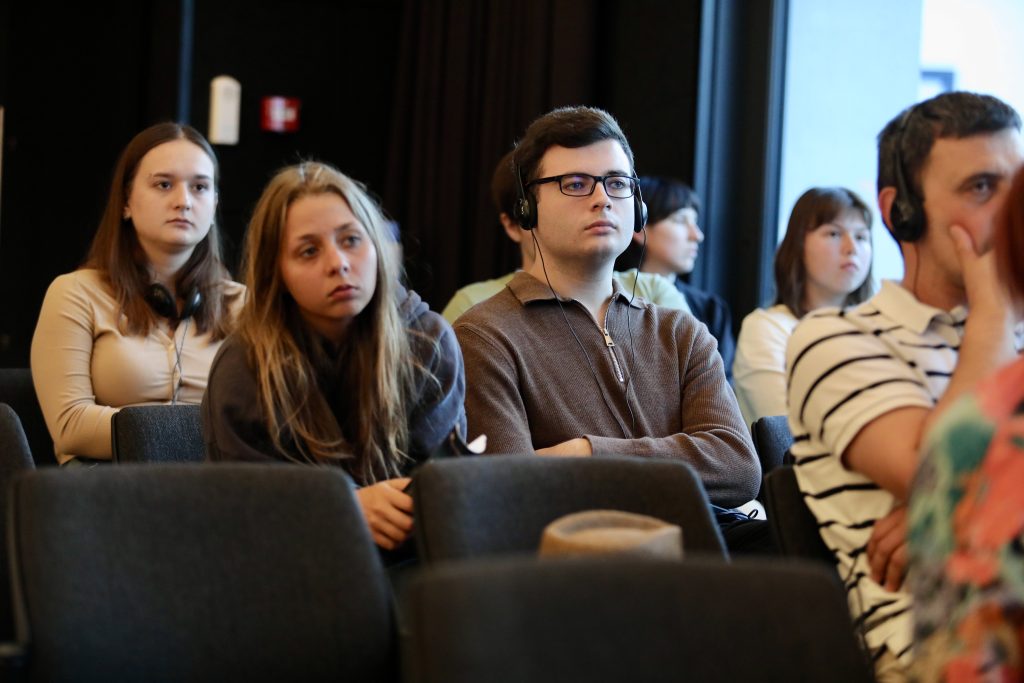
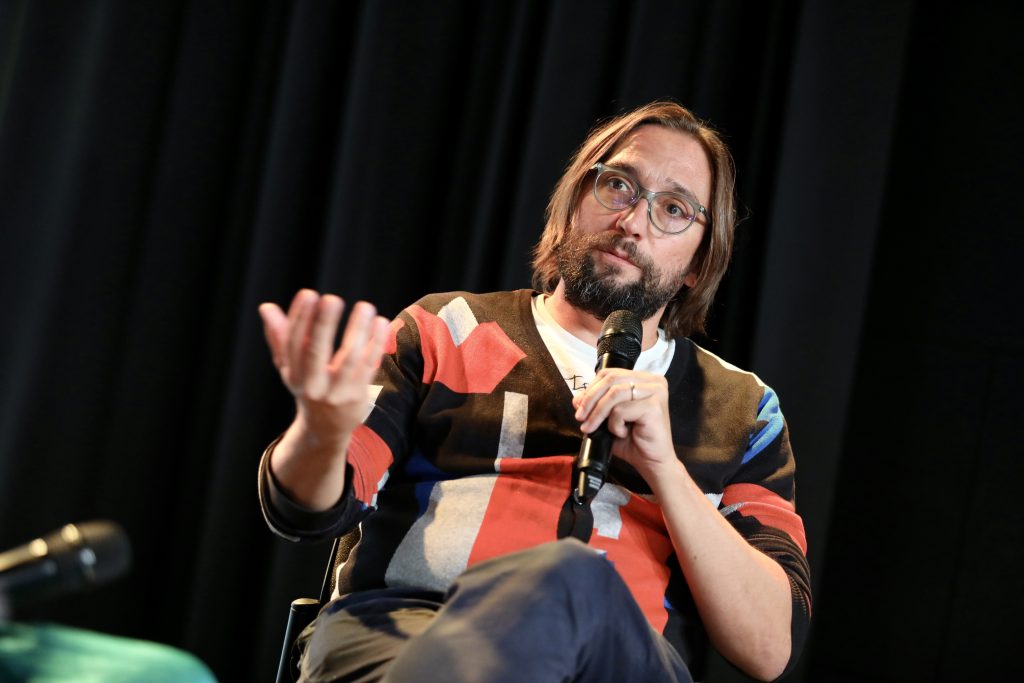
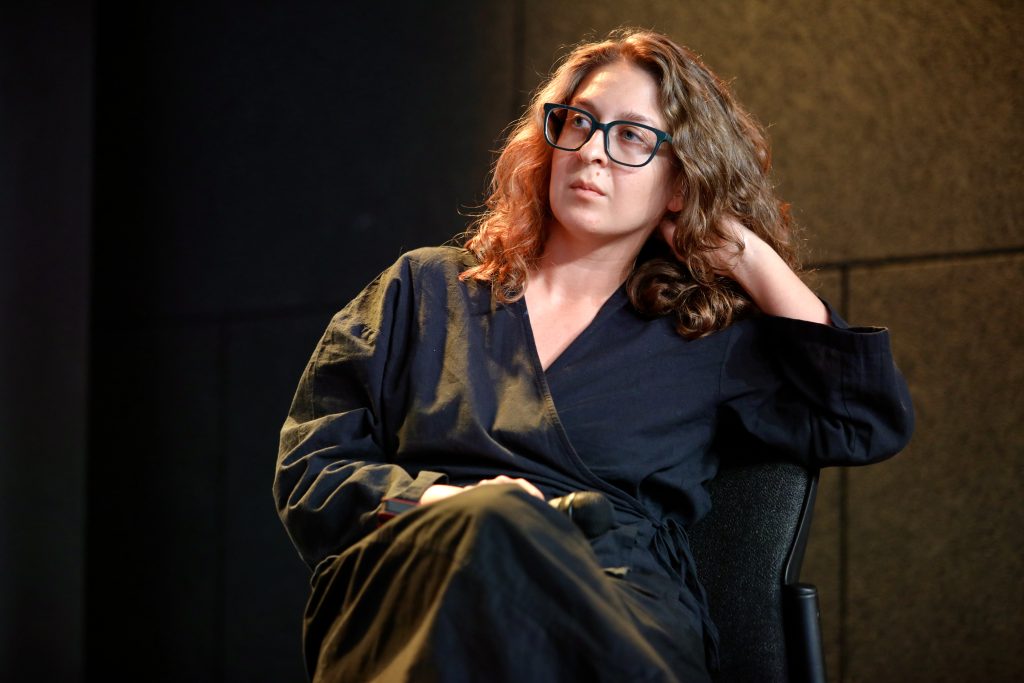
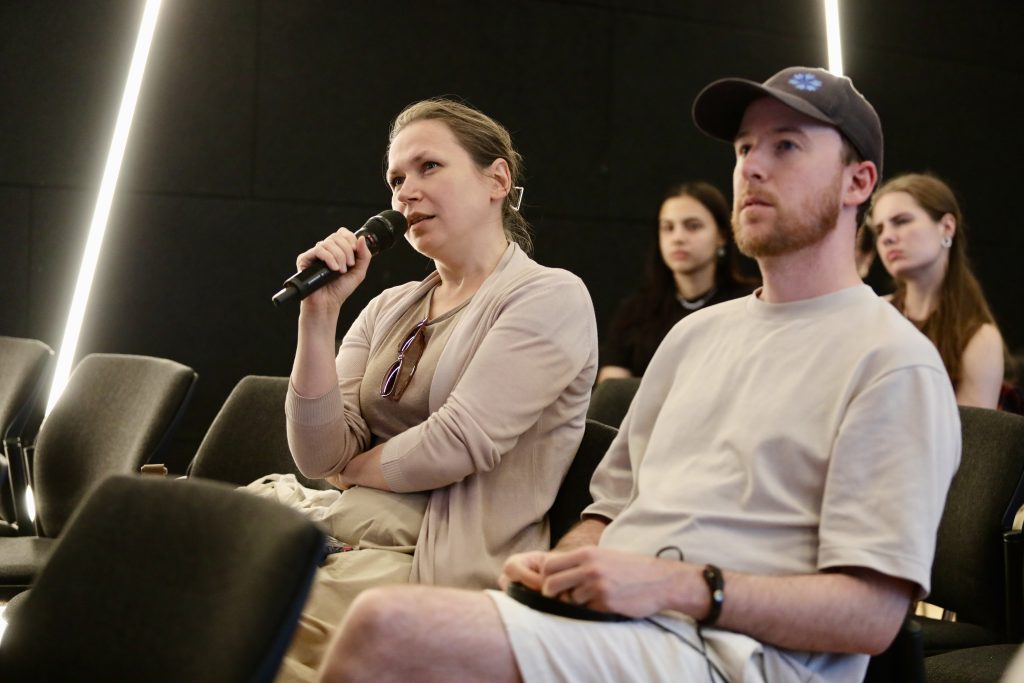
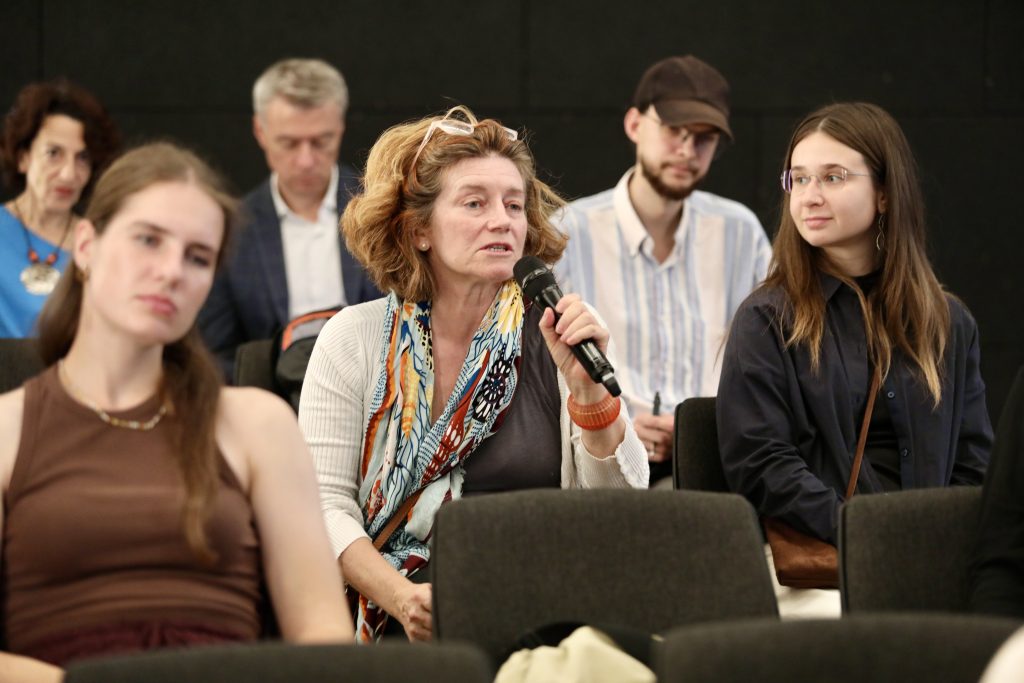
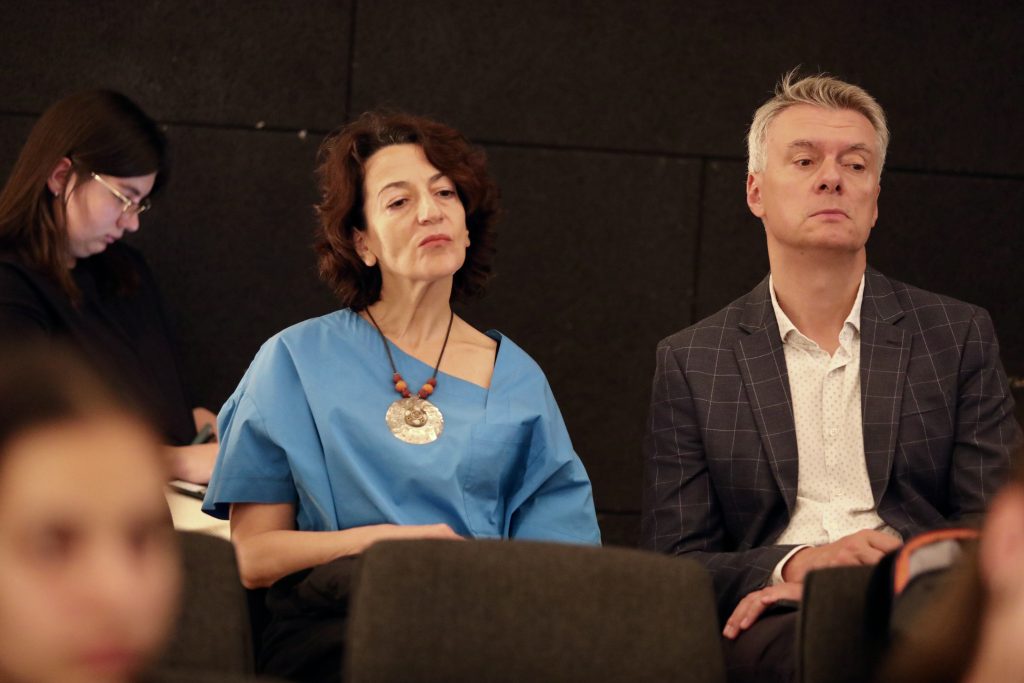
The event will take place as part of the public program of the "REHERIT 2.0: Common Responsibility for Shared Heritage" project — "Weaving the Heritage". "REHERIT 2.0" is implemented by the Center for Urban History and the Regional Development Center of the PPV Economic Development Agency with the financial support of the European Union.
This publication was created with the financial assistance of the European Union. Its content is the sole responsibility of the partners of the "REHERIT 2.0" project and does not necessarily reflect the views of the European Union.




Credits
Gallery: Iryna Sereda