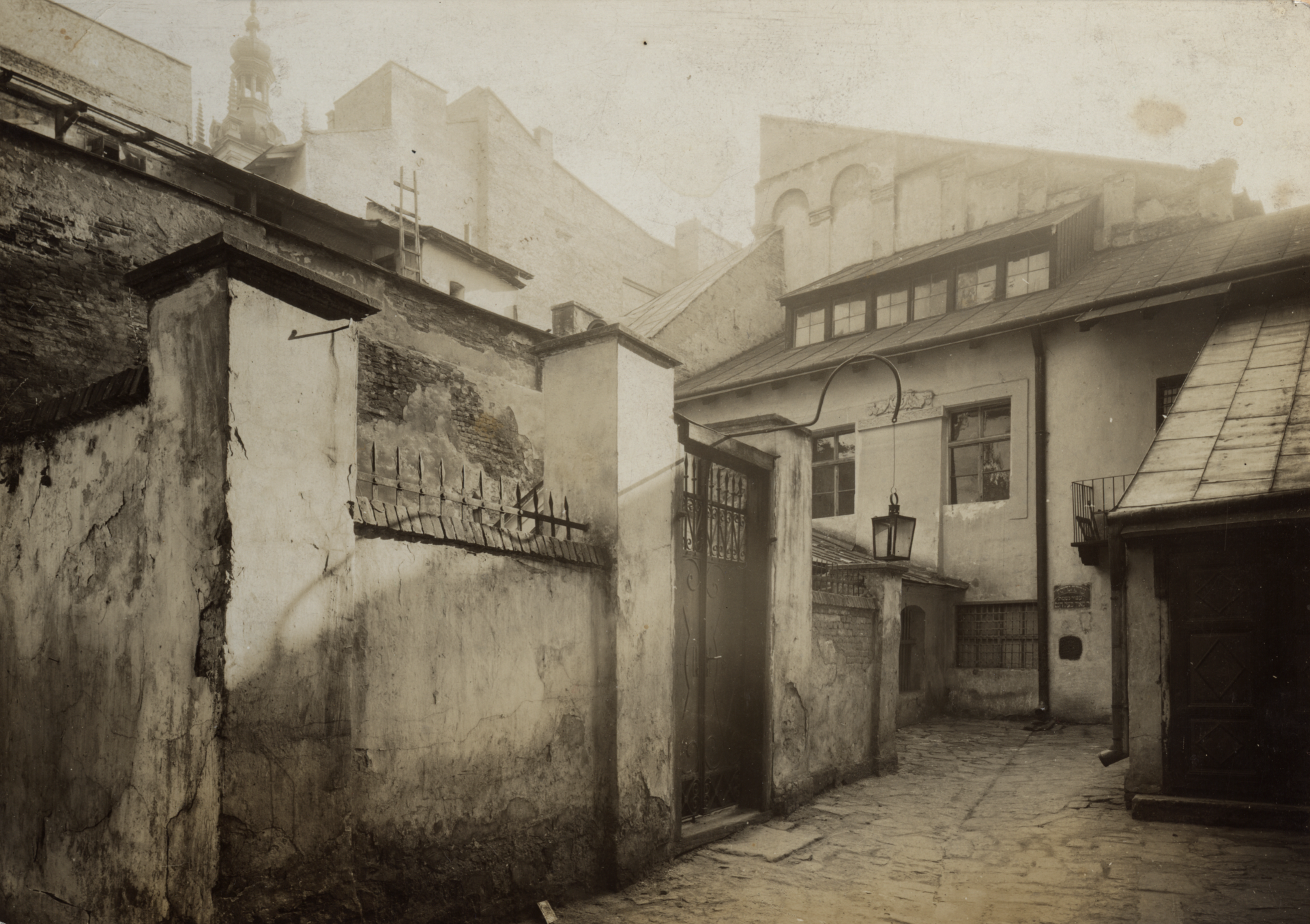
How Do We Talk About The Matters We Remain Loudly Silent About?


Inna Zolotar, Andrii Usach, Aleksandra Janus
28.8.2026, 18:30
Hnat Khotkevych Palace of Culture, Kushevych Str., 1
More than three generations, numerous books, films, and testimonies stand between us and World War II, yet there are still topics about which we know little. In the postwar decades, storytelling about the war became a vehicle for Soviet memory politics and a battleground in the Cold War, erasing or distorting many experiences. After 1991, we learned more about the prewar world, but the focus was on finding urgent narratives to help us understand ourselves. Today, there is a new urgency to life that teaches us that important conversations — sincere, straightforward, and frank — are essential, while silence and the unspoken deepen gaps in a society that vitally needs to communicate.
One phase in restoring justice has been the retrieval of knowledge about the chronology of World War II. Along with the desire to push aside 1941, appeared a danger of overlooking another significance of that year: the beginning of the Holocaust on the territory of contemporary Ukraine. Another "absent presence" is the history of the ghettos and sites of mass killings. Although Holocaust research is actively evolving, projects are being developed, and knowledge is being brought back—it is still not easy to speak publicly about genocide. In particular, the topic of the trajectories of complex personal choices remains a sensitive subject in conversation.
The case of Lviv illustrates how certain experiences and spaces are neglected in historical memory not because they are insignificant, but because they fall outside the historiographical frameworks. These boundaries were largely defined by postwar political borders, as well as by the centers and peripheries of attention within nationally shaped discourses. In other words, Holocaust narratives in Poland have focused more on cities within the post-1945 borders (such as Warsaw or Łódź), whereas in Ukraine, the focus has been on Babyn Yar in Kyiv, which symbolizes thousands of ravines and the history of the Holocaust by Bullets. This raises important questions: How and why do some places remain overlooked to this day? How can we broaden our perspective to include perspectives and places that have traditionally been marginalized?
In this conversation, we invite you to take a closer look at "conversation." When does it become possible? How and who initiates, carries forward, or silences it? Whose voices are heard more clearly, and which ones should we listen to? How do voices build walls or, conversely, bridges of understanding? In their reflections, researcher-practitioners draw on academic research, oral history projects, and commemorative practices, as well as conversations with those living here and those returning.
Inna Zolotar
Center for Urban HistoryCoordinator of Public History programs at the Center. She develops, accompanies, and conducts tours of Lviv and the region. Her main interest is in the “cross-trails” of different groups and societies of Galicia, their (in)visibility in space, and the history of conflicts between different communities.
Andrii Usach
NGO "After Silence"Historian and head of the NGO “After Silence.” Research interests: the history of World War II, particularly the Holocaust and other Nazi crimes, oral history, and memorial culture.
Aleksandra Janus
"Zapomniane" FoundationShe holds a PhD. in anthropology from Jagiellonian University in Kraków. She is the president of the “Zapomniane” Foundation and a co-founder of the Engaged Memory Consortium. She works at the intersection of academic research, art, and activism. She collaborates closely with the Research Center for Cultures of Memory and is a participant in the global network and the “Thinking Through The Museum” project.
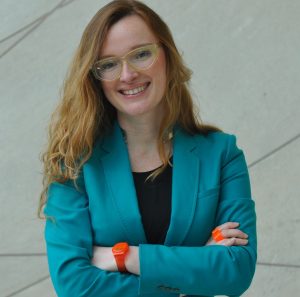
Artist, architect, political scientist. She earned a PhD from the Barlett School of Architecture at University College London, defending her dissertation titled “Post-Jewish Architecture of Memory in the Former Shtetls of Eastern Europe.” She is the creator of the “Nomadic Shtetl Archive” project. In 2021, during a research residency at the Center for Urban History, Natalia studied various local sites that served as Jewish hiding places.
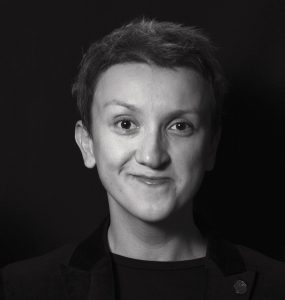
Daria Badior
re/visionsEditor-in-chief of re/visions journal. A critic, editor, and film curator from Kyiv. For several years, she headed the “Culture” section at the Ukrainian online publication LB.ua. Since 2021, she has curated a series of publications on the commemoration of the events of 1941 and the reconstruction of Ukraine during and after the current war, and has written articles for Der Tagesspiegel, The Independent, Hyperallergic, Osteuropa, Dwutygodnik, and other international publications.
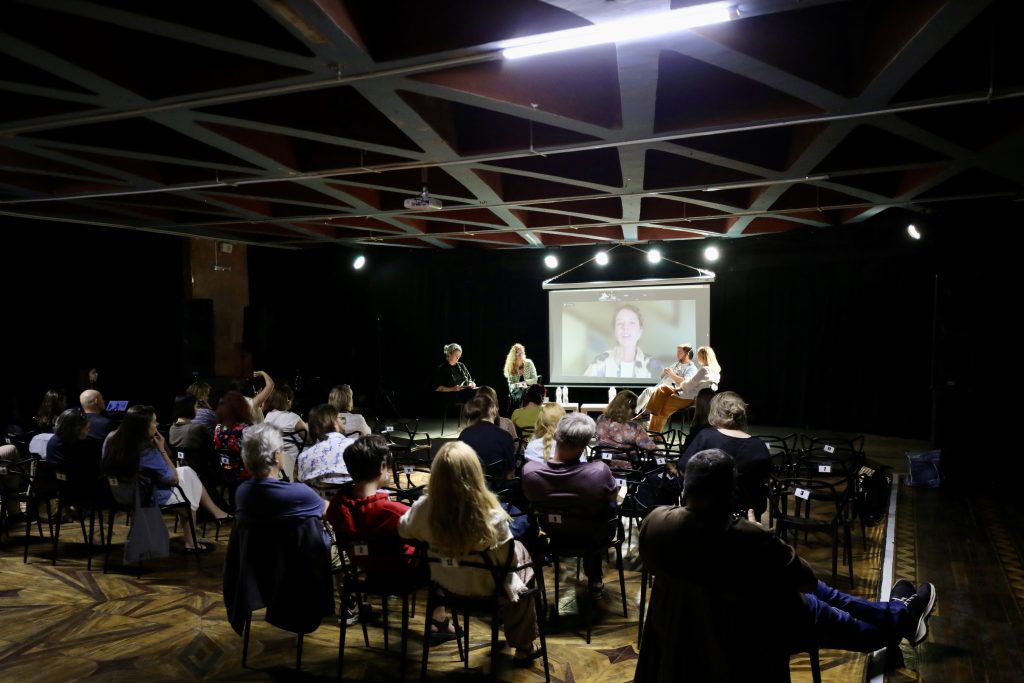
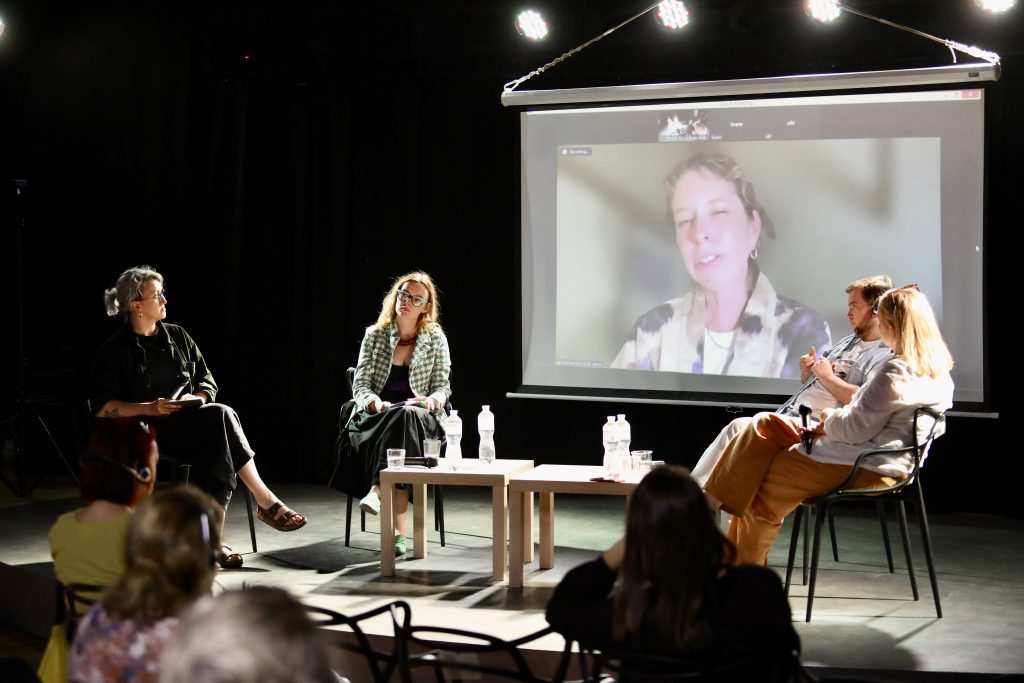
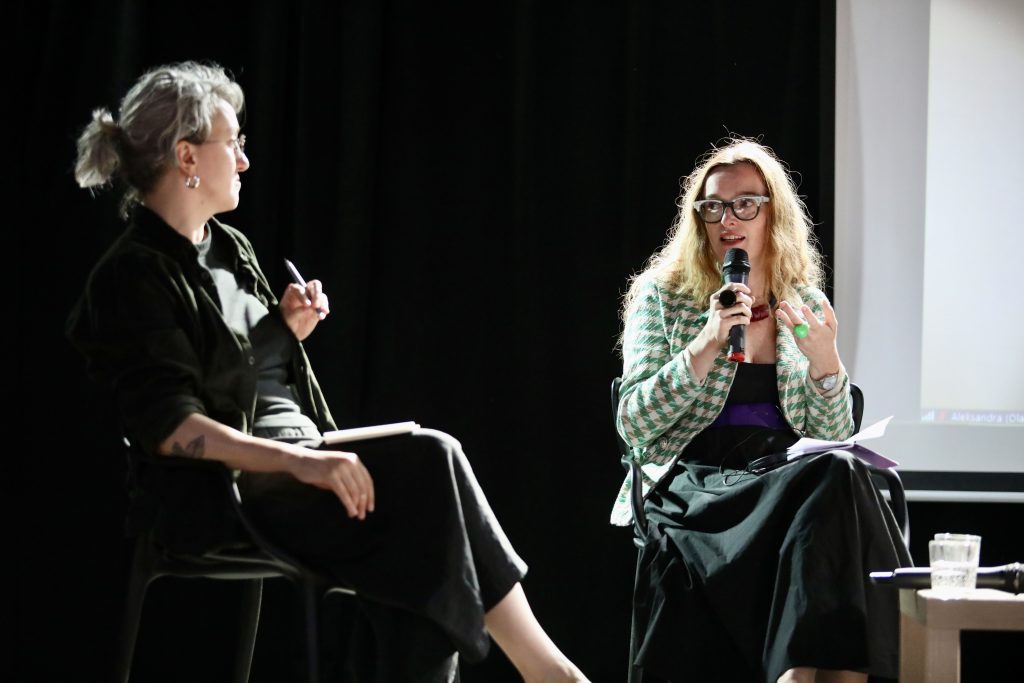
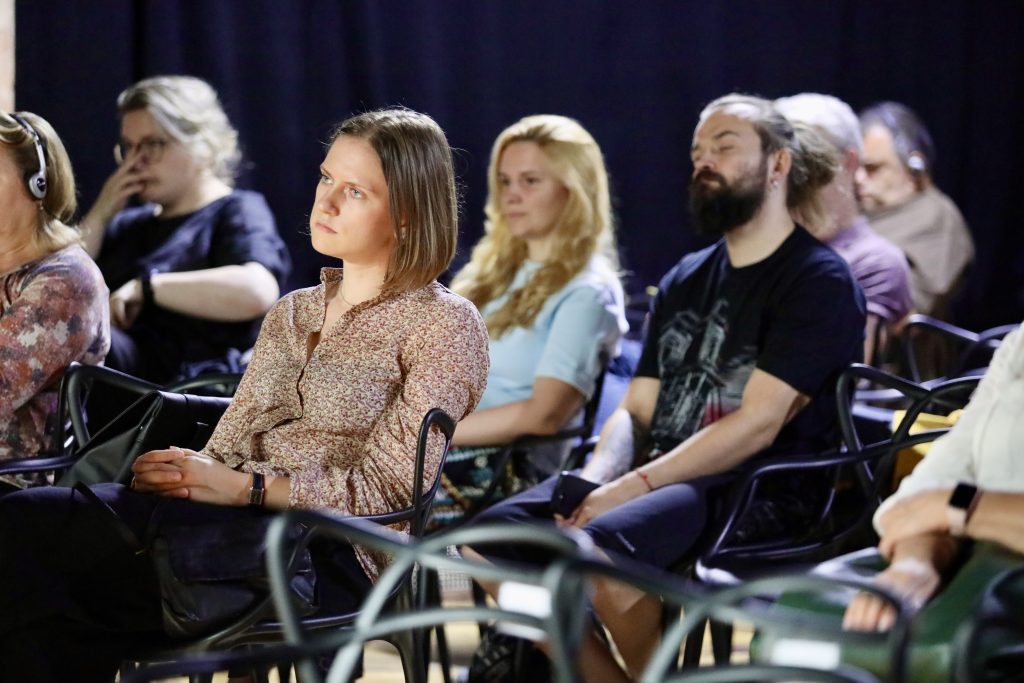
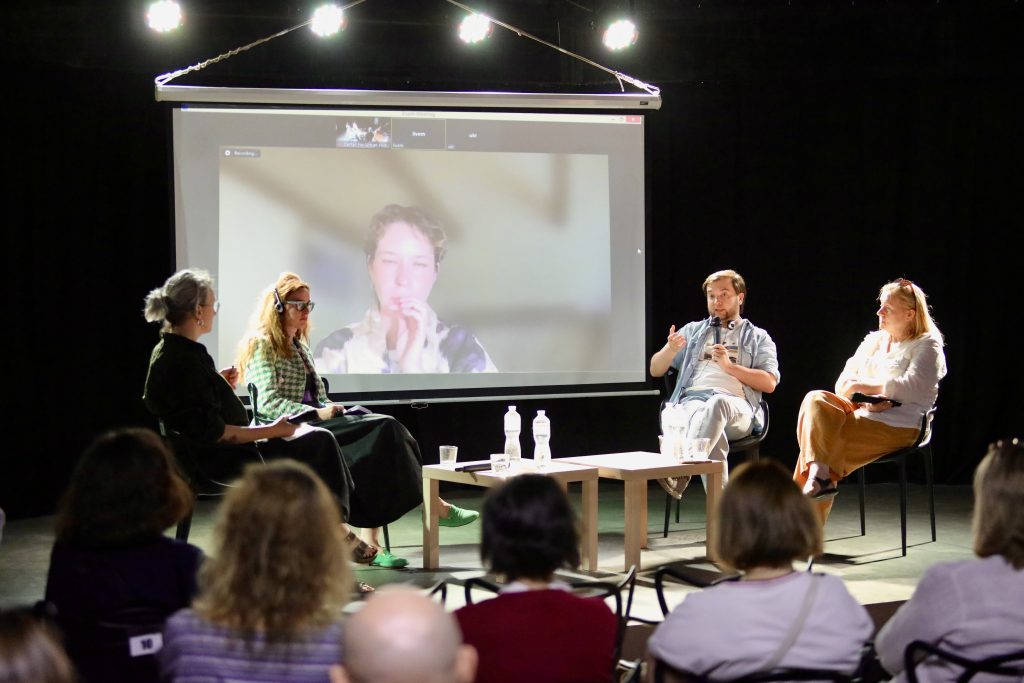
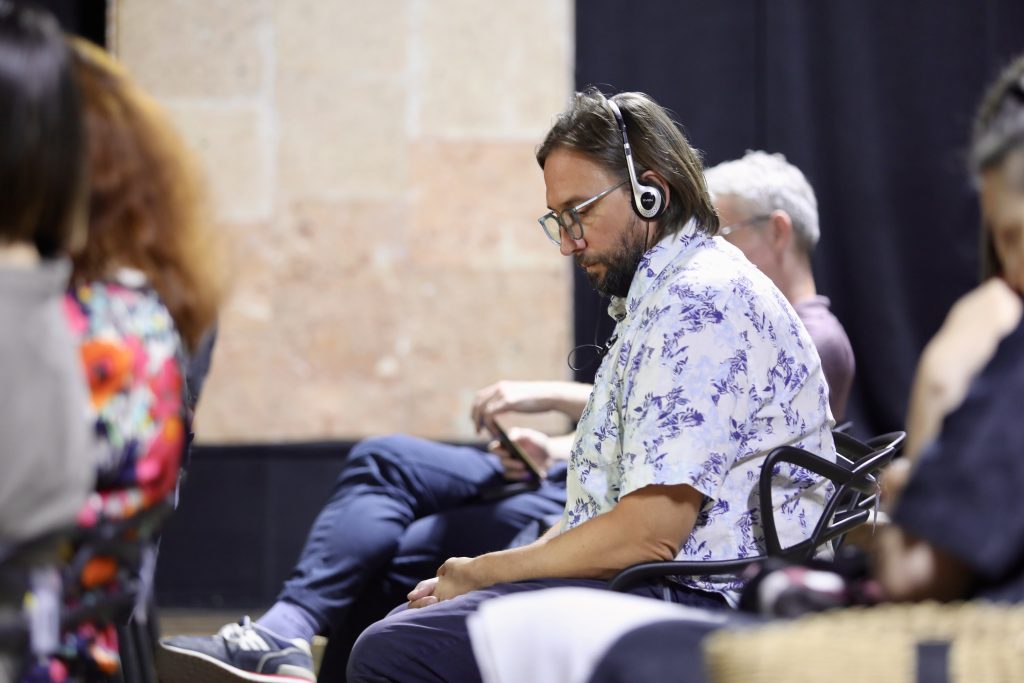
The event will take place as part of the public program and exhibition "From Place to Place: Stories from Scattered Archives," which is part of the "REHERIT 2.0: Common Responsibility for Shared Heritage" project. The "REHERIT 2.0" project is implemented by the Center for Urban History and the Center for Regional Development of the PPV Economic Development Agency with financial support from the European Union.
This public program and exhibition were created with the financial support of the European Union. The content is the sole responsibility of the partners of the "REHERIT 2.0" project and does not necessarily reflect the views of the European Union.






Credits
Cover Image: Golden Rose Synagogue in Lviv, photo by Josef Kosciesza Jaworski / collection of Ihor Kotlobulatov / Urban Media Archive of the Center for Urban History
Gallery: Iryna Sereda