Time and Calendar of the Shtetl: The Sacred, the Profane, and the Undefined


Yohanan Petrovsky-Shtern
Northwestern University20.7.2026, 18:30
Conference Room of the Center for Urban History
We invite you to a lecture by Professor Yohanan Petrovsky-Shtern, which will take place as part of the public lecture series "Weaving the Heritage."
Small towns, or שטעטלעך (shtetl) or miasteczka, form a dense network in Ukraine, especially in Volyn', Podillia, and Galicia. Towns such as Berdychiv, Ostroh, Medzhybizh, Korets, Slavuta, Brody, Zbarazh, and many others were important centers of Jewish life: printing presses operated here, distributing Jewish books throughout Europe; it was here that the Hasidic movement was born and flourished; it was here that the tzadikim lived, whose teachings changed the face of the Jewish world. The shtetls/towns were crossroads of cultures and communities. Synagogues, churches, and Catholic churches shaped the religious and cultural landscape. Fairs were held here, setting the rhythm of daily life. Numerous trade routes and paths ran through these towns, forming a pan-European network of connections and exchanges—both of goods and ideas.
In his lecture Professor Petrovsky-Shtern will focus on the temporal world of Eastern European Jews in the late 18th and early 19th centuries. He will explore time not only as a theological category but also as a social practice. Among the questions addressed in the lecture: How did the town's Jewish residents plan their days and weeks? Why, despite an incredible number of restrictions, did the town eagerly await "holy Saturday" and live "from Shabbat to Shabbat"? How did the Jews in the town spend their free time—and did they even have a concept of "secular" time? Do we have any documentary evidence—besides theological, moral-ethical, and legal (halakhic) sources—that confirms the existence of Jewish time in the town?
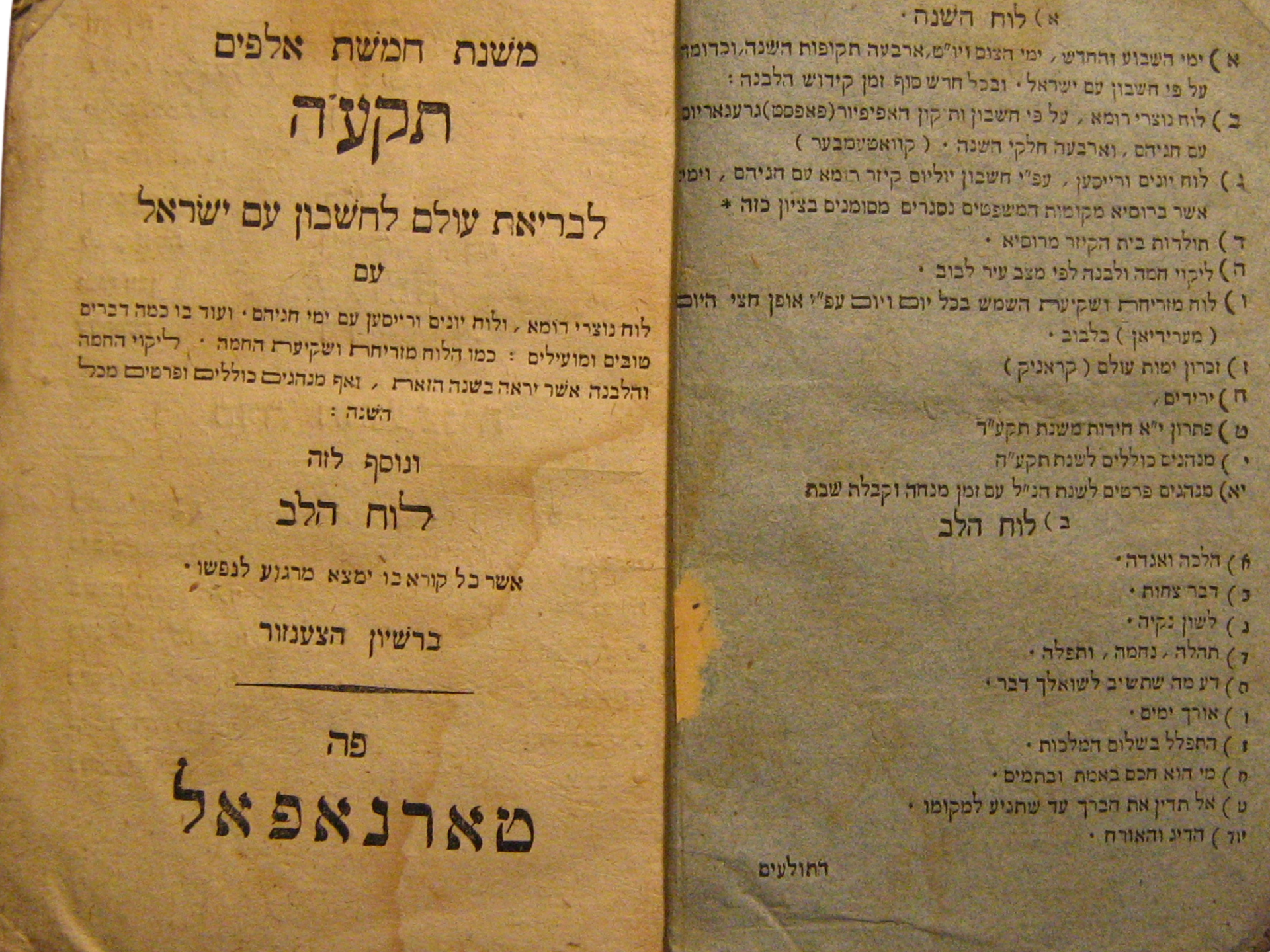
Answers to these and other questions can be found through a careful analysis of various historical sources that reflect the concept of time: pocket calendars, police search reports, inventory lists of printing houses, trade directories, and merchants’ private notebooks. These sources help shed light on the history of Jewish communities that existed simultaneously within several temporal systems. The Jewish pocket calendar—which was printed in tens of thousands of copies and served as a tool for navigating the sacred and the profane, as well as the ambiguous space in between—will be the focus of this lecture.
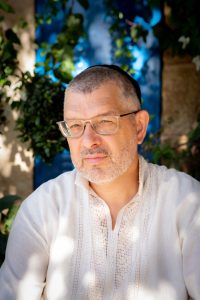
Yohanan Petrovsky-Shtern
Northwestern UniversityCrown Family Professor of Jewish Studies and a Professor of Jewish History in History Department at Northwestern University in Chicago. He is a Fulbright Scholar in Eastern Europe, an associate member of the Harvard Ukrainian Institute, a professor at the Free Ukrainian University in Munich, and holds an honorary doctorate from the National University of Kyiv-Mohyla Academy. He is the author of seven monographs, including “The Golden Age of the Shtetl,” “The Anti-Imperial Choice,” and “Jews and Ukrainians: A Thousand Years of Coexistence” (co-authored with Paul-Robert Magocsi).

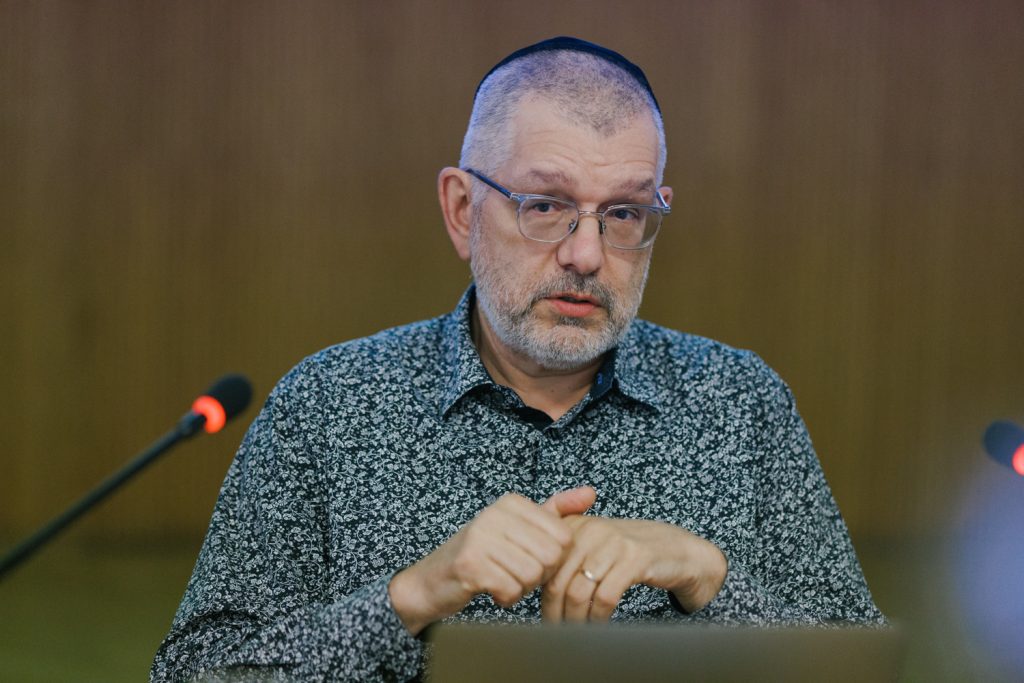
Dr. Vladyslava Moskalets
Center for Urban HistoryLecture moderator. Historian, researcher at the Center. She received her PhD in history in 2017 in Krakow. Since 2016, she has been teaching courses related to Ukrainian and Jewish history of the 19th century, consumption history, and Hebrew. Senior lecturer at the Department of History of the Ukrainian Catholic University, coordinator of the Jewish Studies program. At the Center, she is conducting a research project on the urban elites of Lviv in the second half of the 19th and the beginning of the 20th centuries.
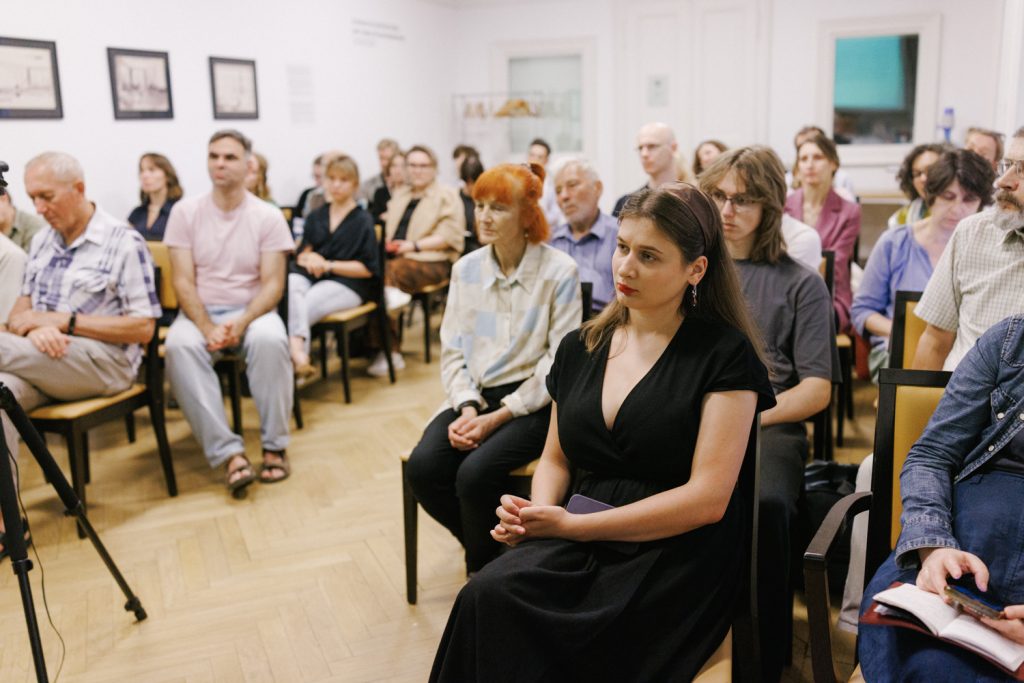
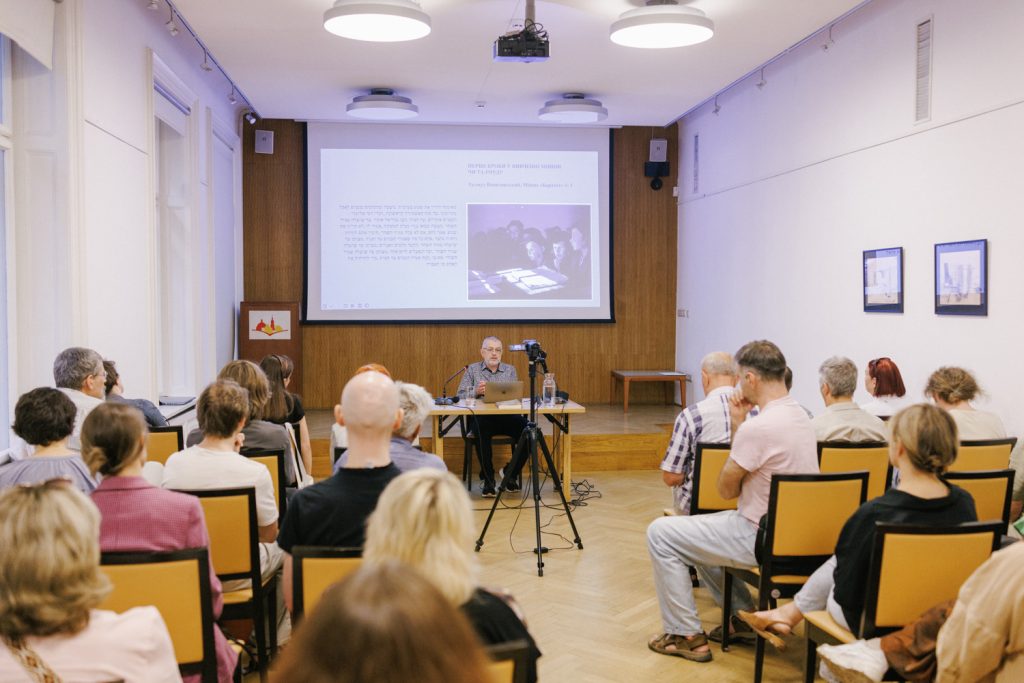
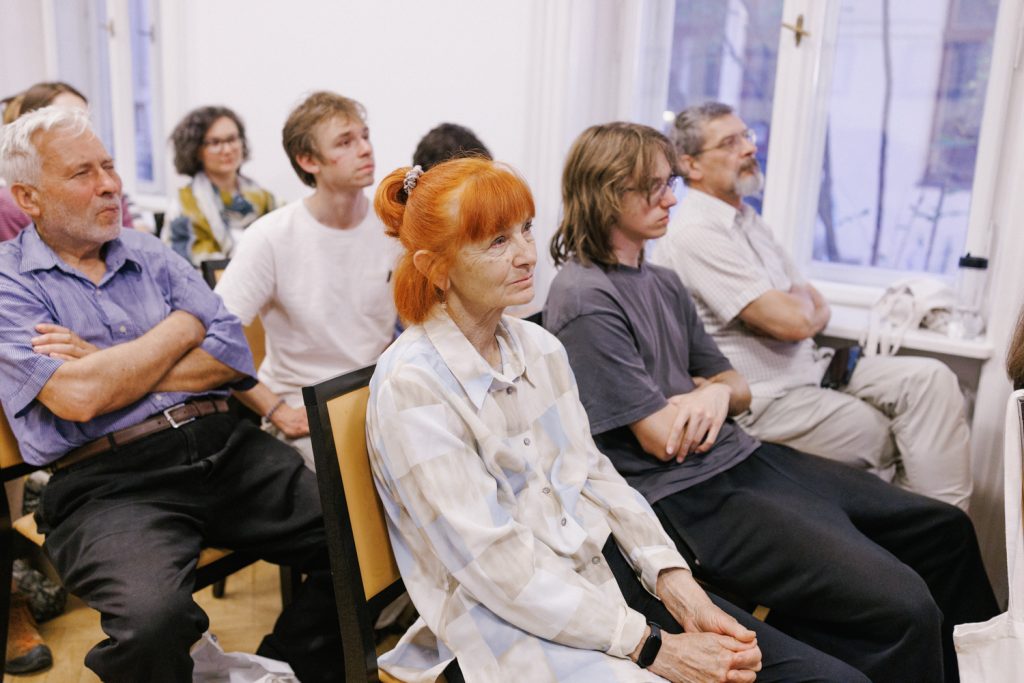
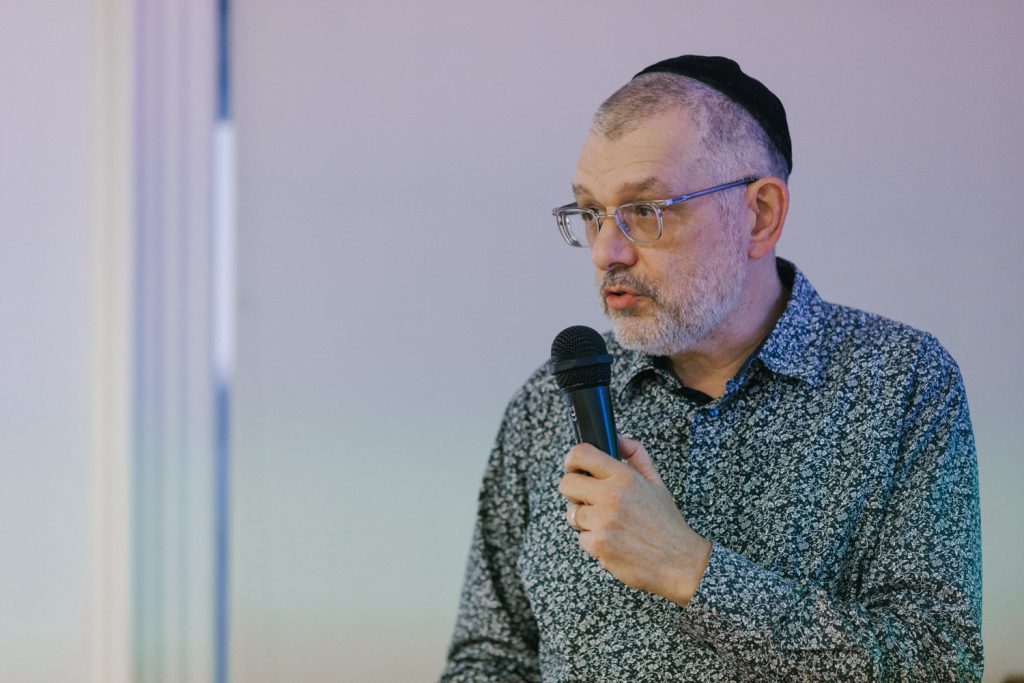


The lecture will take place as part of the "Weaving the Heritage" program—a series of events exploring the multicultural heritage of Ukraine's cities and towns. It is a part of the "REHERIT 2.0: Common Responsibility for Shared Heritage" project, which reinforces the perception of the multicultural heritage of Ukrainian cities and towns as a shared asset, revitalizes cultural development, promotes critical thinking and the elimination of discrimination, and stimulates local socioeconomic potential. "REHERIT 2.0" is being implemented by teams from the Center for Urban History and the Regional Development Center of the PPV Economic Development Agency, with financial support from the European Union.
This publication was created with the financial assistance of the European Union. Its content is the sole responsibility of the partners of the REHERIT 2.0 project and does not necessarily reflect the views of the European Union.


Credits
Gallery: Maria Urban