Ten Years Of "East West Street". Conversation with Philippe Sands


Philippe Sands, Sofia Dyak, Marjana Savka
12.9.2026, 18:00
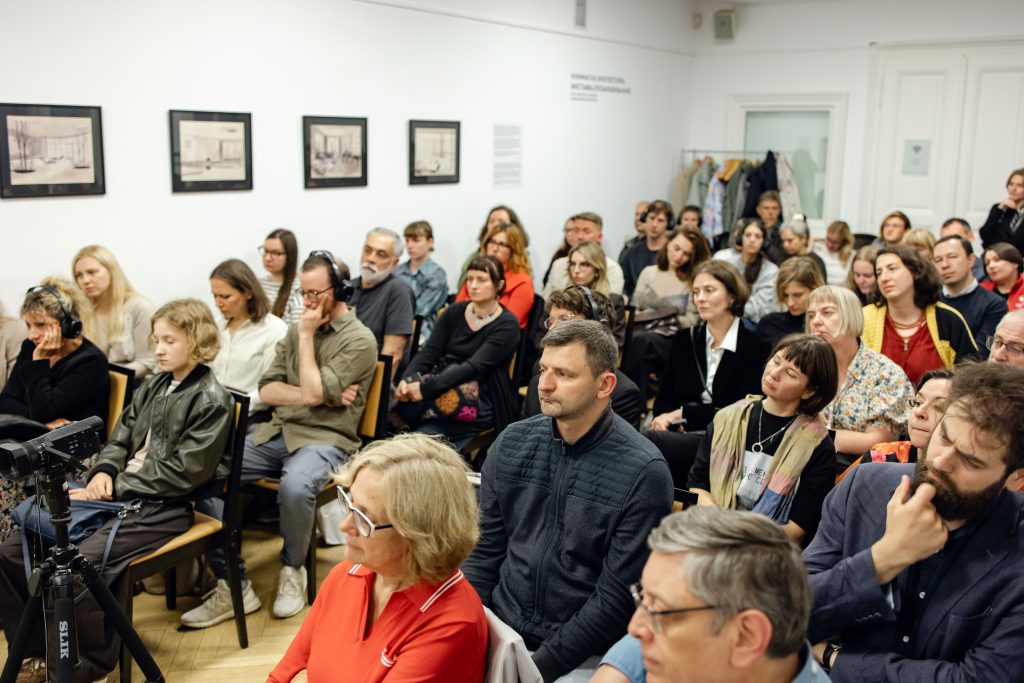
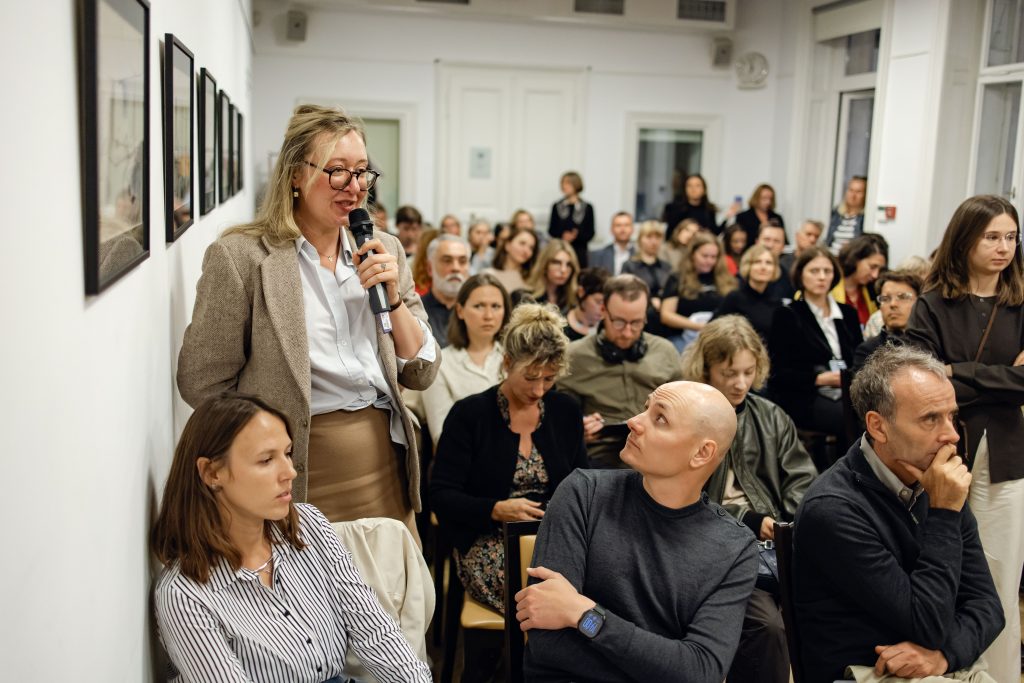
Conference Room of the Center for Urban History
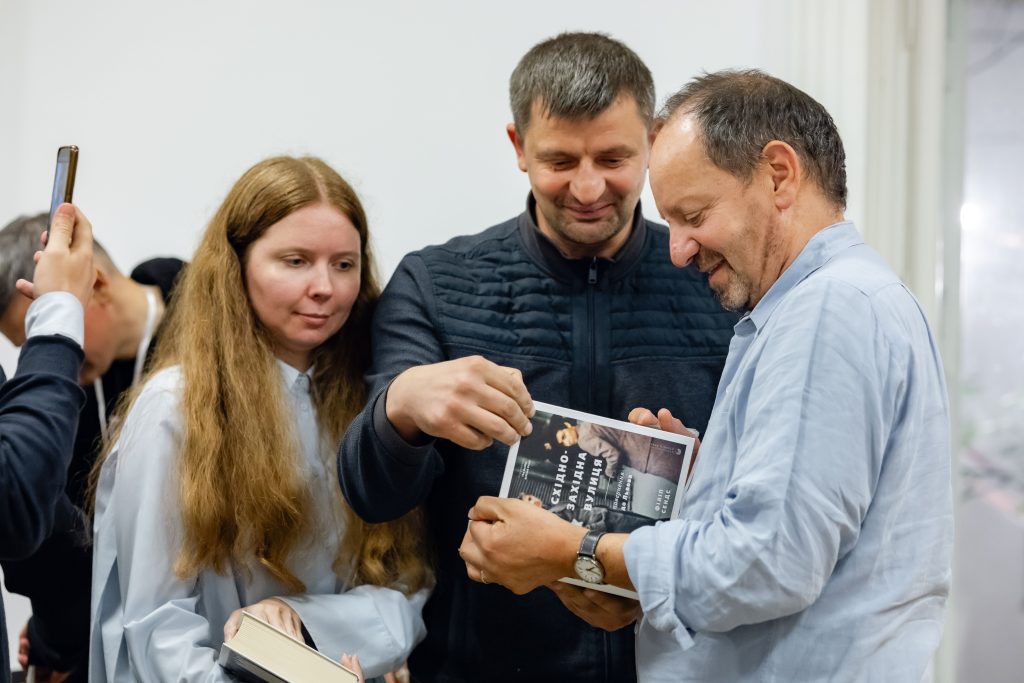
In 2016, Philippe Sands published East West Street: On the Origins of Genocide and Crimes Against Humanity, which became transformative not only in how the story of the foundations of international human rights law is told, but also in how people recalled their family histories shaped by the violence of the 20th century. During the decade, it went on to be read in more than thirty languages and to become the first part of what readers and critics have come to call Philippe Sands' Lviv trilogy, followed by The Ratline and 38 Londres Street. Together, these books tell the story of the global pursuit of justice and accountability across the 20th century. But the book's origins reach back further, to 2010, when Sands first came to Lviv to give a lecture on genocide and crimes against humanity. He was also looking for the story of his ancestors, as well as the stories of two Lviv-trained lawyers, Hersch Lauterpacht and Rafael Lemkin, who originated two major concepts in twentieth-century international law — "crimes against humanity" and "genocide."
In a conversation with Philippe Sands, we will recall how the book came to be, reflect on its reception, and consider its impact on our understanding of the history of international law. As the story of Philippe Sands's own family is woven into the book, we will discuss how, for many readers, it brought back family stories connected to Lviv/Lemberg/לעמבערג/Lwów and historical Galicia, prompting them to look into family archives and memories. We will also ponder how reading this book in Lviv and in Ukraine challenged and changed the ways of seeing the city's past and the country's future. Finally, it will be a conversation about what a book about the origins of "genocide" and "crimes against humanity" has to say to a city, and a continent, once again living with war, and about the responsibility — and the limits — of writing and law in the face of it.
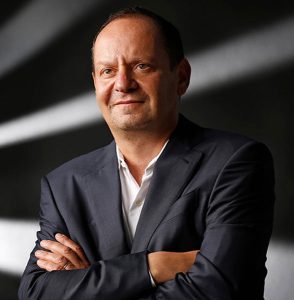
Philippe Sands
Writer, lawyer, and Professor of Law at University College London. A practicing barrister before the International Court of Justice and other international tribunals, he is the author of the acclaimed trilogy East West Street, The Ratline, and 38 Londres Street.
Sofia Dyak
Historian and Director of the Center for Urban History in Lviv. Her research focuses on postwar urban recovery and transformation in Eastern Europe.
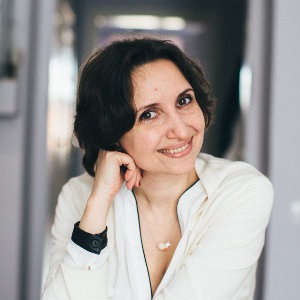
Marjana Savka
Poet and publisher, Director of Old Lion Publishing House (Vydavnytstvo Staroho Leva) in Lviv, which brought Philippe Sands’ East West Street, The Ratline, and The Last Colony to Ukrainian readers.
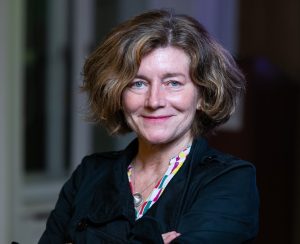
Natalie Nougayrède
Moderator of the event. Journalist and Editor at re/visions. Former editor-in-chief of Le Monde and member of The Guardian’s editorial board (2015–2020). Winner of the Albert Londres Prize for her Chechnya war coverage.
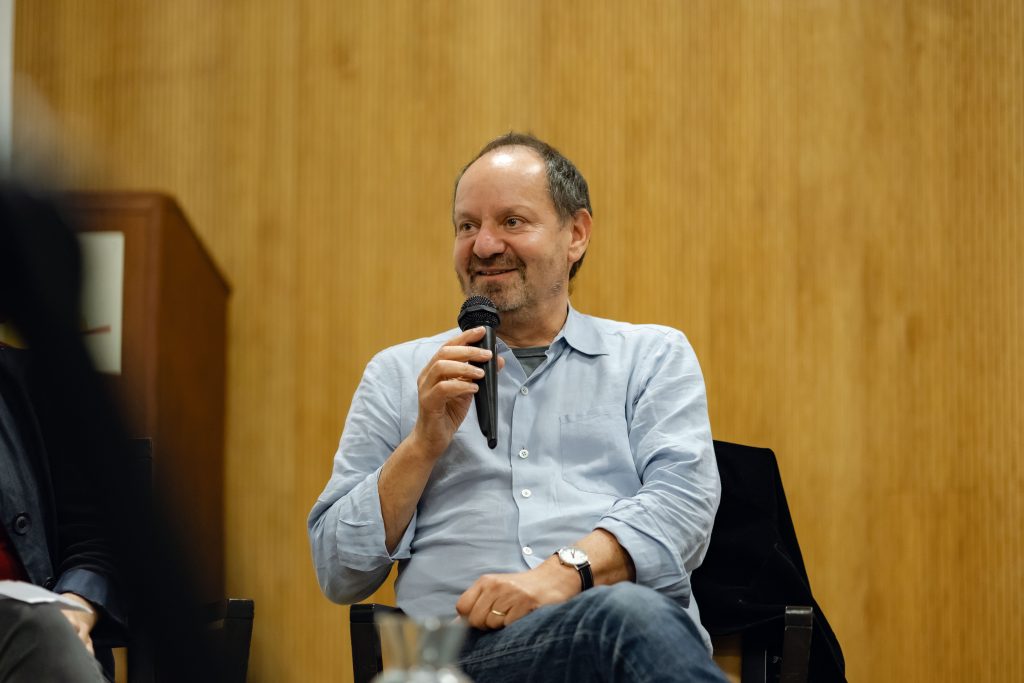
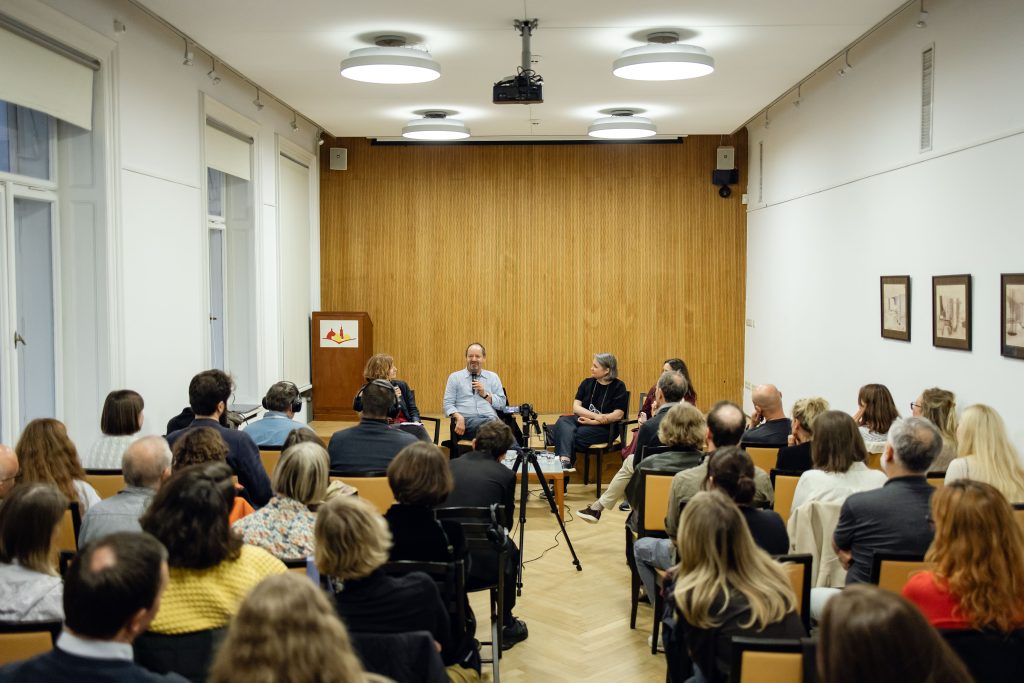
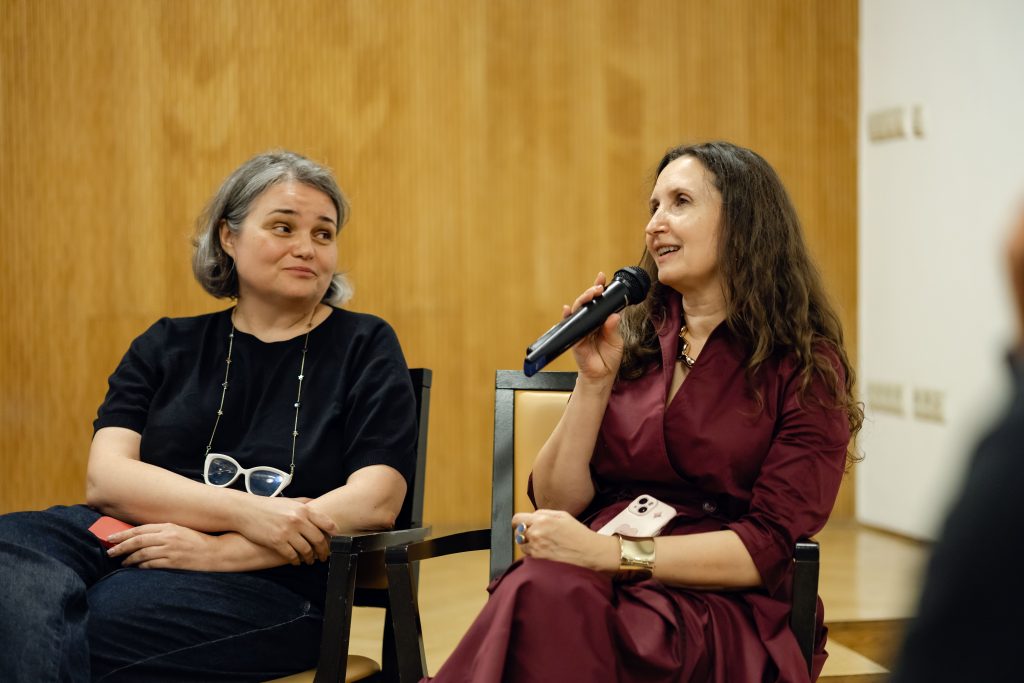
Co-organizers:
- NGO “Publishers’ Forum”
- Center for Urban History
- Staryi Lev Publishing House
- Lviv City Council
- Dnistrianskyi Centre for Law and Politics
This event is presented as part of Lviv BookForum and the public program "From Place to Place: Stories from Scattered Archives" of the "REHERIT 2.0: Common Responsibility for Shared Heritage" project.
The 33rd Lviv International BookForum is organized with the support of the Ukrainian Cultural Foundation as part of the "Flagship Events" program, the International Renaissance Foundation, the Canadian non-governmental organization "Ukrainian-Jewish Encounter," the Lviv Regional Military Administration, and the Lviv City Council. The festival is organized by the NGO "Publishers' Forum."
The "REHERIT 2.0" project is implemented by the Center for Urban History and the "Regional Development" Center of the PPV Economic Development Agency with financial support from the European Union.










Credits
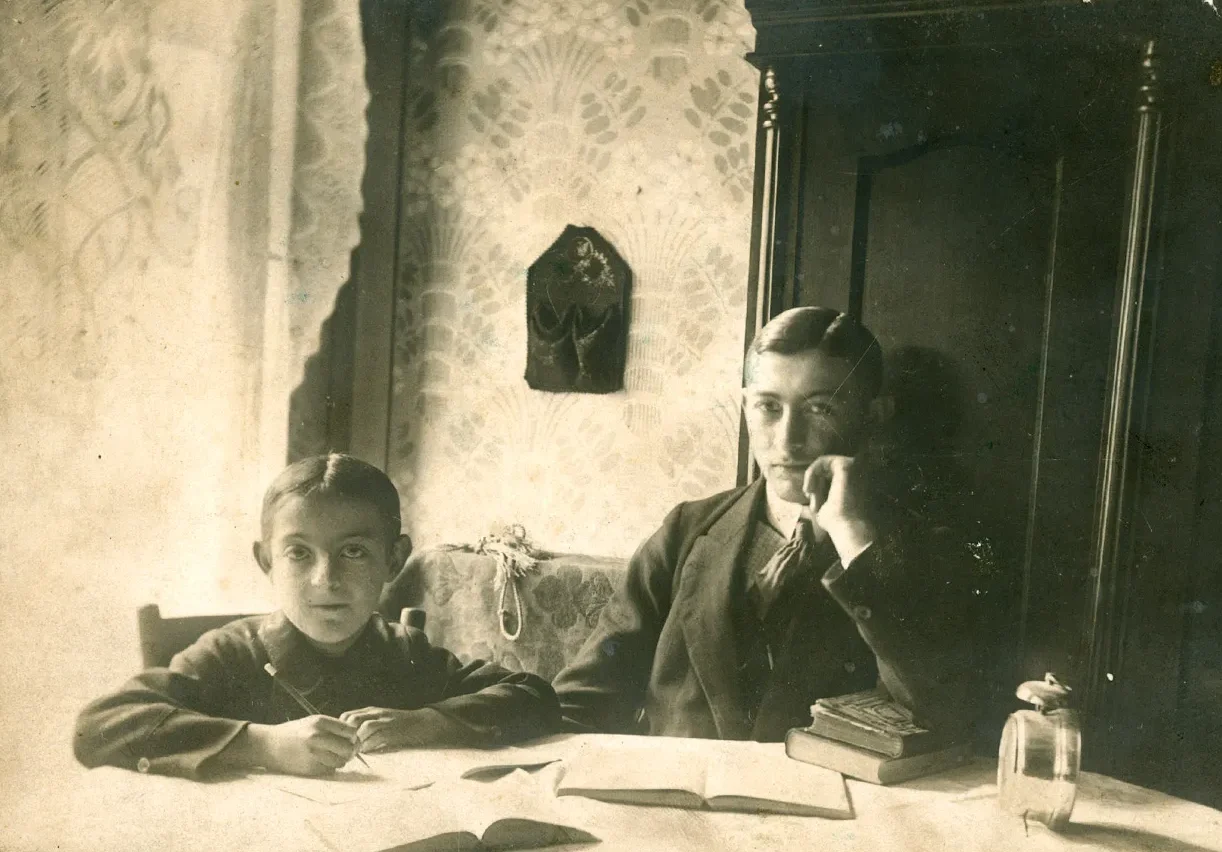
Cover Image: Leon Buchholz (left), Philip Sands's grandfather, and his brother Emil, Lemberg, 1913. Photo courtesy of Philip Sands
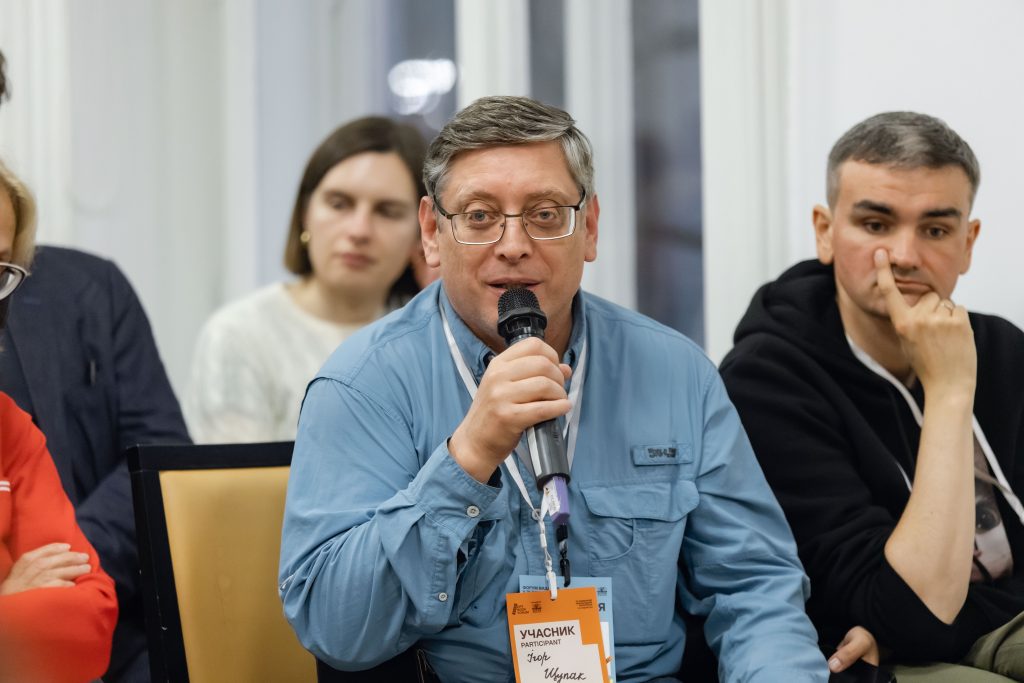
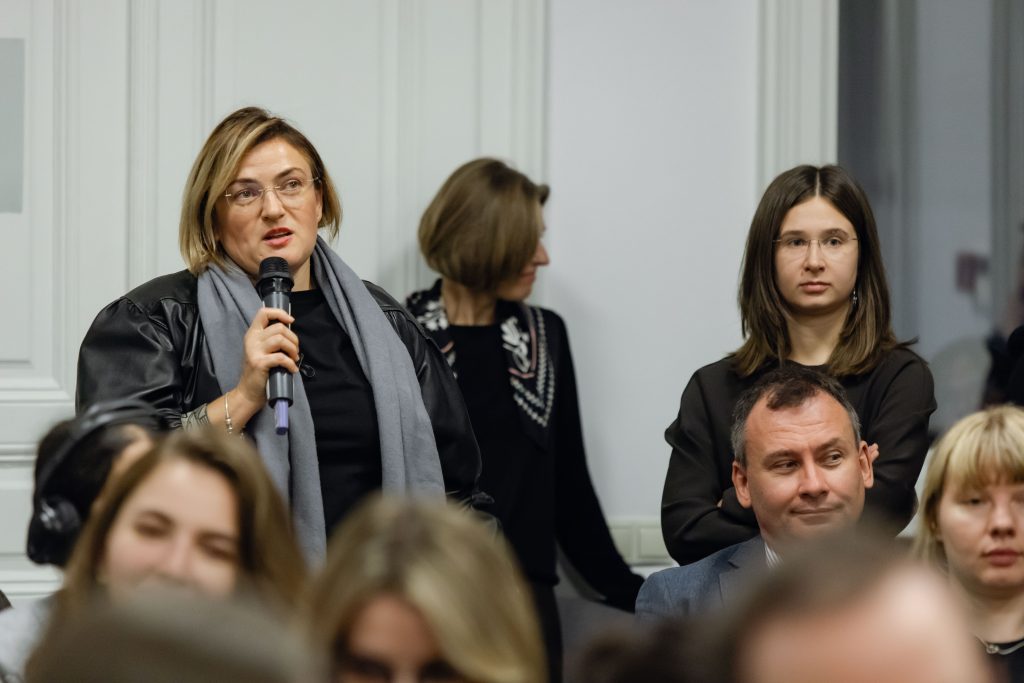
Gallery: Bohdan Yemets