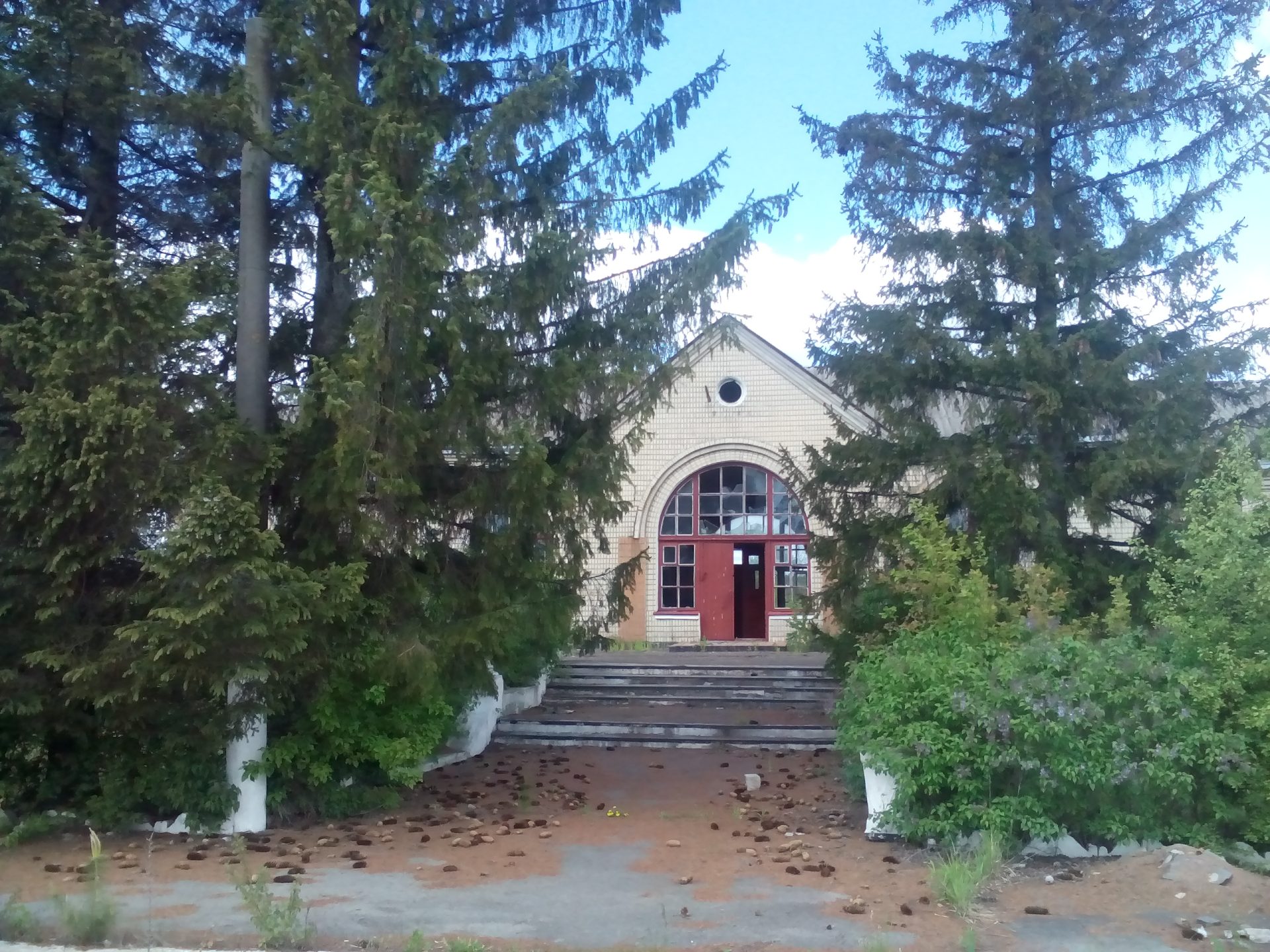
Vilcha: A Brief History of Double Displacement


Dr. Viktoria Naumenko
Fernuniversität Hagen4.8.2026, 18:30
Conference Room of the Center for Urban History
The village of Vilcha in the northwestern part of Kharkiv Oblast is a unique case study for research on forced displacement: it was founded in 1992 as a new home for evacuees from the village of the same name, located 40 km from the Chornobyl Nuclear Power Plant in the mandatory evacuation zone. Between 1993 and 1996, approximately 2,000 former residents of Vilcha near Chornobyl received new housing in the Kharkiv region, where people from the territories of the Donetsk and Luhansk regions—occupied in 2014—later found refuge as well. The Russian occupation of 2022, subsequent hostilities, and "the scorched earth" tactics employed during the 2024 counteroffensive led to the complete destruction of the settlement and the evacuation of its last residents. Thus, for the second time in its history, Vilcha became a ghost village.
During this lecture, which continues the public series "Source as a Choice," we will discuss the methodological potential of oral history as a source for studying the experience of double forced displacement. In particular, we will explore the specifics of working with the narratives of people who have survived both a man-made disaster and wartime violence: how interviews allow us to reconstruct individual and collective survival strategies, trace the transformation of traumatic experiences over time, and identify commonalities and differences between migration caused by Chornobyl and migration resulting from war. We will consider oral history sources not only as a means of documenting events but also as a tool that requires specific ethical and research approaches.
Postdoctoral researcher in public history at Fernuniversität Hagen (Germany). She led the research project “The Chornobyl Oral History Archive” as part of the Chornobyl History Workshop initiative in Kharkiv. She was a research fellow at the Max Weber Foundation in Bonn. For nearly ten years, she worked as a senior researcher on the international archival project “Soviet Survivors of Nazi Rule: The First Testimonies.” Her research interests include oral history, memory studies, migration studies, war studies, and research and educational projects focused on World War II, Chornobyl, and forced displacement.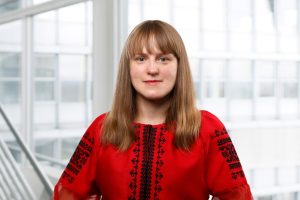
Dr. Viktoria Naumenko
Fernuniversität Hagen
The event will take place as part of the public program "Source as a Choice" organized by the Center for Urban History in partnership with Documenting Ukraine / IWM and Research Centre Ukraine / Max Weber Foundation.
During the meetings, researchers will share their work with various sources on war and mass violence in the twentieth and twenty-first centuries. The choice to create and preserve sources can be one of the tools for embodying this violence or, on the contrary, for opposing it. Our choice to talk about these events through the prism of certain sources creates a field in which the complex past will live on in the present and future.

Credits
Cover Image: Raillway station in Vilcha / photo by Viktoria Naumenko