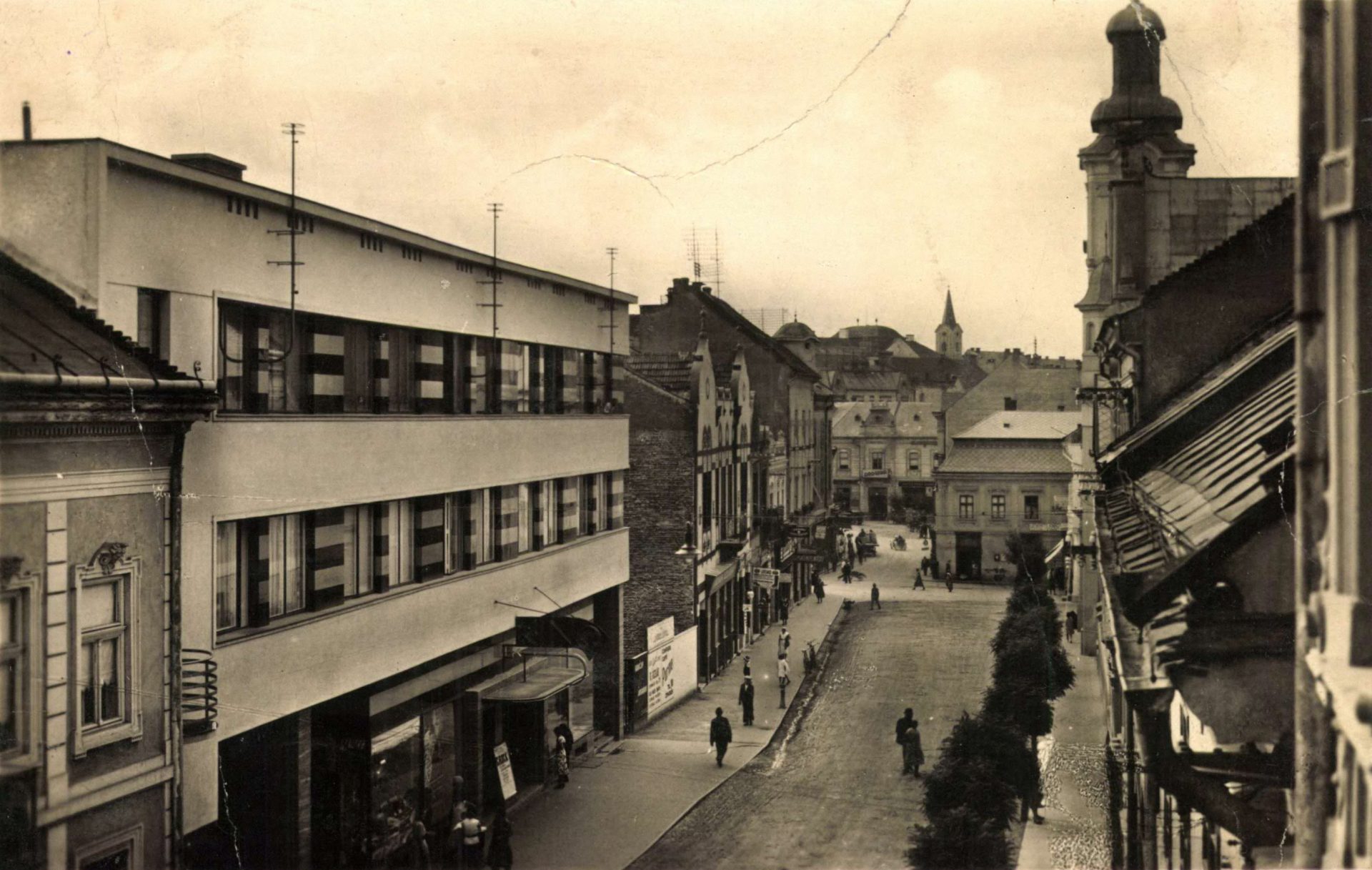
Ľudovít Oelschläger: An Individualist Architect in an Era of State-Building


Lina Degtyaryova
10.9.2025, 18:30
Conference Room of the Center for Urban History
We invite you to a lecture by Lina Degtyaryova, to be held as part of the lecture series "Let's Have a City."
In 1919, following democratic elections and the provisions of the Treaty of Saint-Germain-en-Laye, Subcarpathian Rus', with its capital in Uzhhorod, became part of the First Czechoslovak Republic. Within a short period of intensive state-led development, the city witnessed the emergence of residential apartment complexes, administrative buildings, industrial and social infrastructure facilities, recreational areas, and villa colonies.
The state showcased its vision of the future through contemporary styles, innovative solutions, and new institutions, flexibility of approaches within the legal framework, and modern interior fittings in buildings. Until recently, a provincial town on the edge of the Hungarian half of the Habsburg Empire, Uzhhorod was quickly emerging as a worthy, albeit modest in scale, link on the Prague — Bratislava — Uzhhorod urban axis.
The sources of funding and the commissioning body often determined the exterior characteristics of buildings and the choice of architect, one with a portfolio of comparable built works. The "ministerial" style and functionalism were rarely applied to municipal (magistrate) projects or those of private commissions. Some non-state clients kept looking to Budapest, the old capital, for stylistic models; others embraced the Bauhaus spirit and looked to Brno as the flagship of the "Czech avant-garde." These projects contrasted with the restrained modernism of state architecture, making the urban fabric more variegated and diverse.
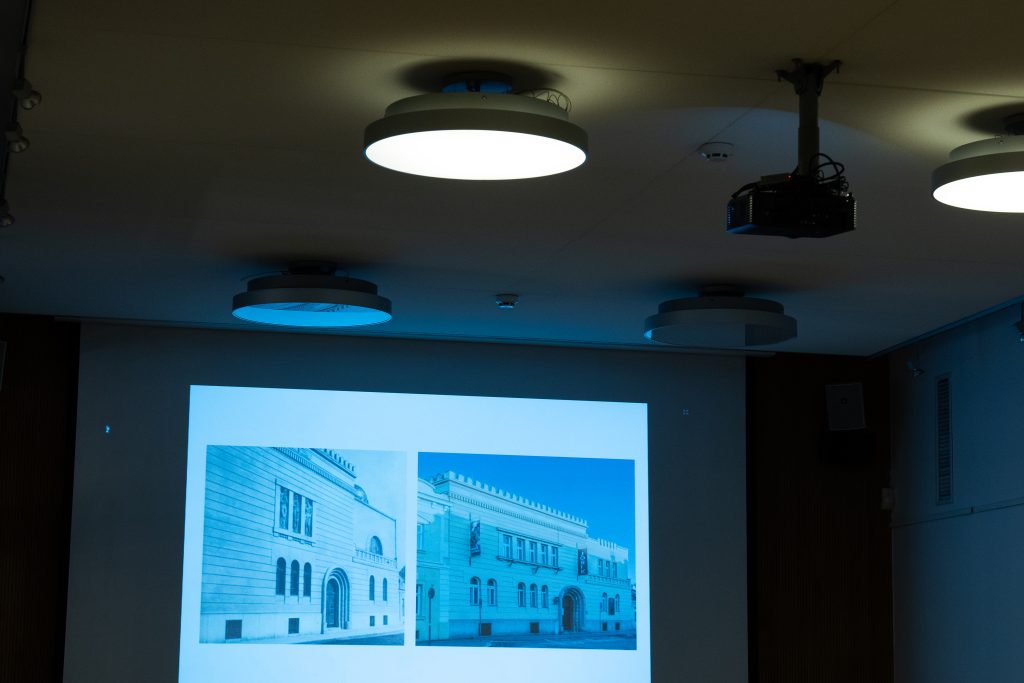
Among the most emblematic architects, with a syncretic, at times even whimsical, vision of modernism and a deft ability to design complex, multifunctional projects, is Ľudovít Oelschläger. The Košice-based architect has four landmark buildings in Uzhhorod now attributed to him. His work also prompts us to broaden the lecture's geographical scope to several other towns in today's Zakarpattia.
The lecture will be moderated by Inna Zolotar.
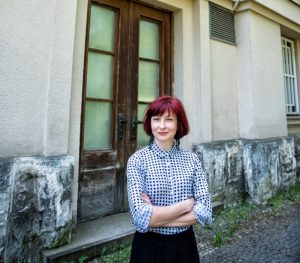
Lina Degtyaryova
Researcher, architectural historian, and co-founder of the Uzhhorod Modernism project. Her dissertation focuses on the impact of the Czechoslovak Republic legislation on the architecture of interwar Uzhhorod. Co-author (with Adriana Priatková and Oleg Olashyn) of the monograph Architekt Ľudovít Oelschläger. Works in Ukraine (2024). Research interests: urban studies; the history and anthropology of architecture; contemporary art.
Credits
Gallery: Olya Klumyk