Networks, Computers and the Media City. From Soviet Cybernetics to post-Soviet Internet and IT Infrastructure in Lviv


Taras Nazaruk
2021 – present
From the 1960s Lviv, as a significant regional industrial center, became an integral part of the Soviet cybernetic projects and computer network infrastructure. In 1967, Electron, the TV set manufacturer, launched an automated management system ACS Lviv. For the factory, it was the beginning of using computers to improve enterprise efficiency. For the Kyiv Institute of Cybernetics and Victor Glushkov, creators of the system, it was a pilot project to develop an all-Soviet network of computers to run the country's economy (so-called OGAS or the Soviet Internet). In the next two decades, ASU Lviv was considered as the origin of digitization in the city and the country. After the collapse of the Soviet Union, the system ceased to exist. The city of Lviv, however, developed into one of the leading centers for the IT industry and education infrastructure in Ukraine.
The city of Lviv, in multiple contexts, was a part of digitalization and computerization processes during the Soviet period and post-Soviet transformations. It spans from military computing technology to experiments with computer management systems for enterprises, universities, or municipal transport. In the 1980s, engineers of the Lviv Polytechnics and local factory LORTA launched serial production of the personal computer Lviv-01. In the early 1990s, an academic community of physicists established the first Internet infrastructure, UARNET, which is now one of the major Internet providers in Ukraine. Examining such projects or relevant institutions (from construction bureaus and factories to universities and companies) and analyzing testimonies from engineers, teachers, or local managers would help to explore a social dimension of how the infrastructure for computer networks in Lviv was developed and how it influenced the city over the last 60 years.
How was the digitalization of the city imagined in different historical contexts? How did it affect the social practices and urban fabric? What were the trajectories of the cybernetics projects in Soviet Lviv? What were the implications of these projects for the post-Soviet transformation of the computer networks and development of the IT and telecom industry in the city? This research project aims to investigate an assemblage of both the Soviet technoutopian legacy and the post-Soviet digital technology sector, with the city of Lviv in its primary focus.
Related:
- Lecture by Taras Nazaruk as part of series "Let’s Have a City", "Automated Enterprise Control System "Lviv": The Local History of the "Soviet Internet"", 31.10.2023;
- Conference "Histories and Legacies of Digital: From Soviet Cybernetics to Local Histories of the Internet", 3-4.10.2024
Credits
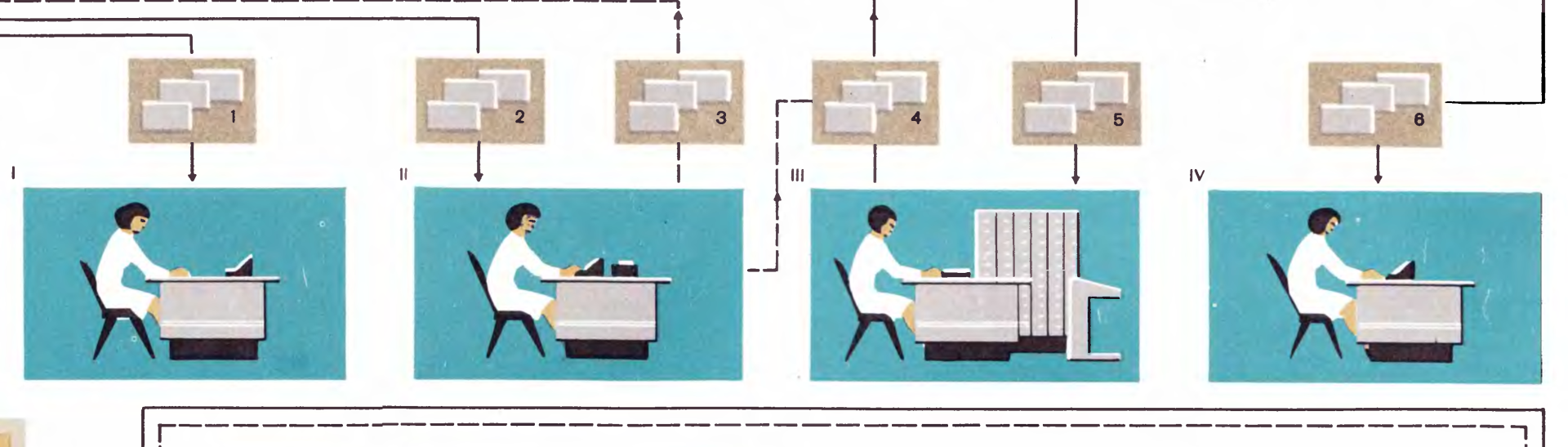
Cover Image: a fragment of the automated control system operation scheme ACS Lviv