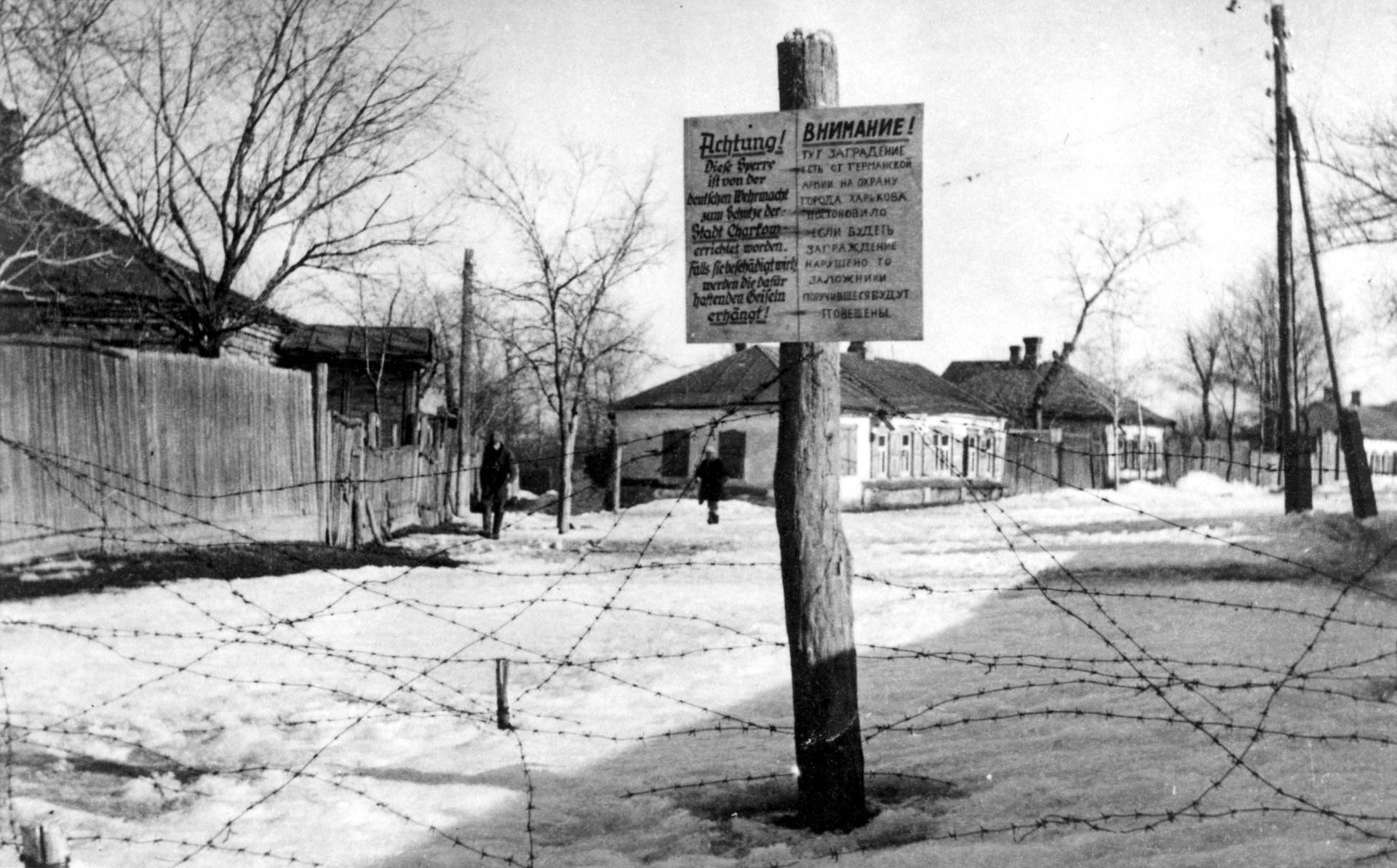
The Auxiliary Police, Local Administration, SD and Shoah on the Ukrainian-Russian-Belarusian Border (1941-1943)


Yuri (Amir) Radchenko
Center for Interethnic Relations Research in Eastern Europe18.11.2025, 18:30
Conference Room of the Center for Urban History
We invite you to a lecture by Yuri (Amir) Radchenko based on his recently published book Auxiliary Police, Local Administration, SD, and Shoah on the Ukrainian-Russian-Belarusian Borderland (1941-1943) (Kyiv: Phoenix, 2024).
The publication is devoted to highlighting the complicity of the local Christian population in the persecution, robbery, and murder of their Jewish neighbors in the ranks of the auxiliary police, self-government, security police, and SD on the territory of the Ukrainian-Russian-Belarusian borderland, which is part of modern Ukraine (Chernihiv, Sumy, Kharkiv, Donetsk, and Luhansk oblasts), the Russian Federation (Rostov and Bryansk oblasts, Krasnodar Territory), and the Republic of Belarus (Gomel oblast).
The lecture and the discussion afterward will provide an opportunity to reflect on the motivations that may have guided the collaborators in the Shoah, the political instrumentalization of the Shoah events by various groups after 1945-including the Putin regime during the hybrid (since 2014) and full-scale (since 2022) war against Ukraine, and how the local Christian population recalls the events of the Shoah many decades later in the absence of Jewish neighbors. During the conversation, we will also turn to the sources of the research: archival criminal cases from various SSU archives and oral history materials.
Co-founder and Director of the Center for Interethnic Relations Research in Eastern Europe. Researcher at Mykola Haievoi Center for Modern History at UCU and a researcher at National Historical and Memorial Reserve Babyn Yar. He defended his PhD thesis on “The Nazi Genocide of Ukrainian Jews in the Frontline Zone (1941-1943)” (2012). In 2019, he received the International Prize for an outstanding publication “Jews and Illiberal Regimes in Eastern Europe after 1917”. Research interests: Holocaust history, history of Judaism, Ukrainian-Jewish relations, collaboration in Central and Eastern Europe during World War II, history of right-wing radical movements in Europe in the 1920s and 1940s. 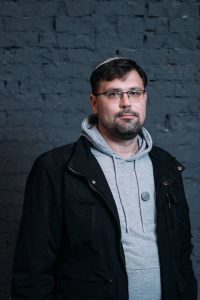
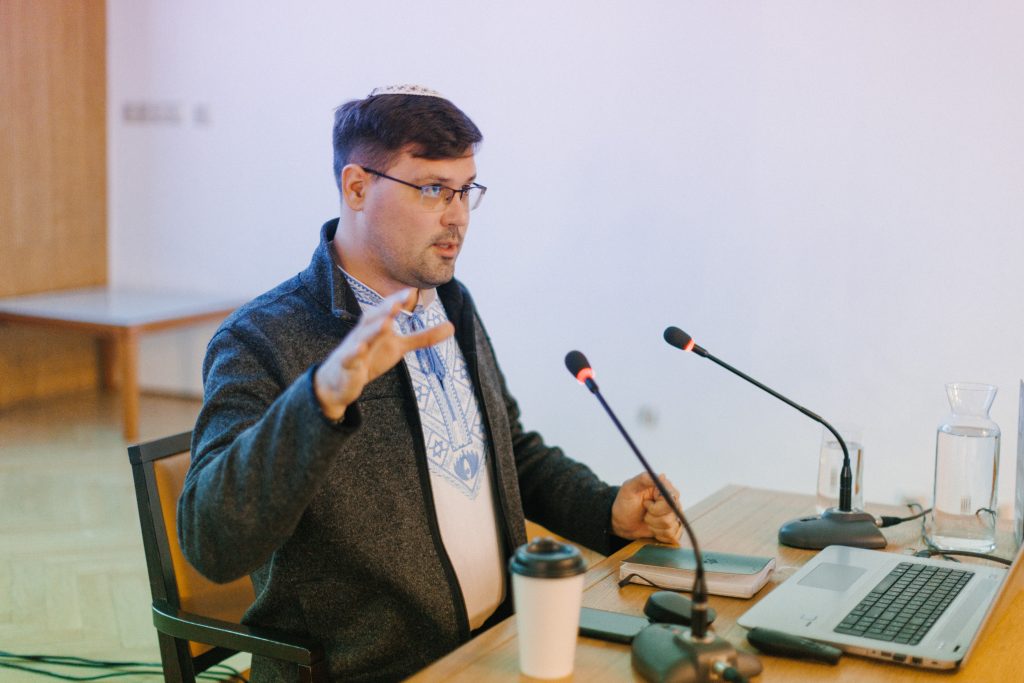
Yuri (Amir) Radchenko
Center for Interethnic Relations Research in Eastern Europe
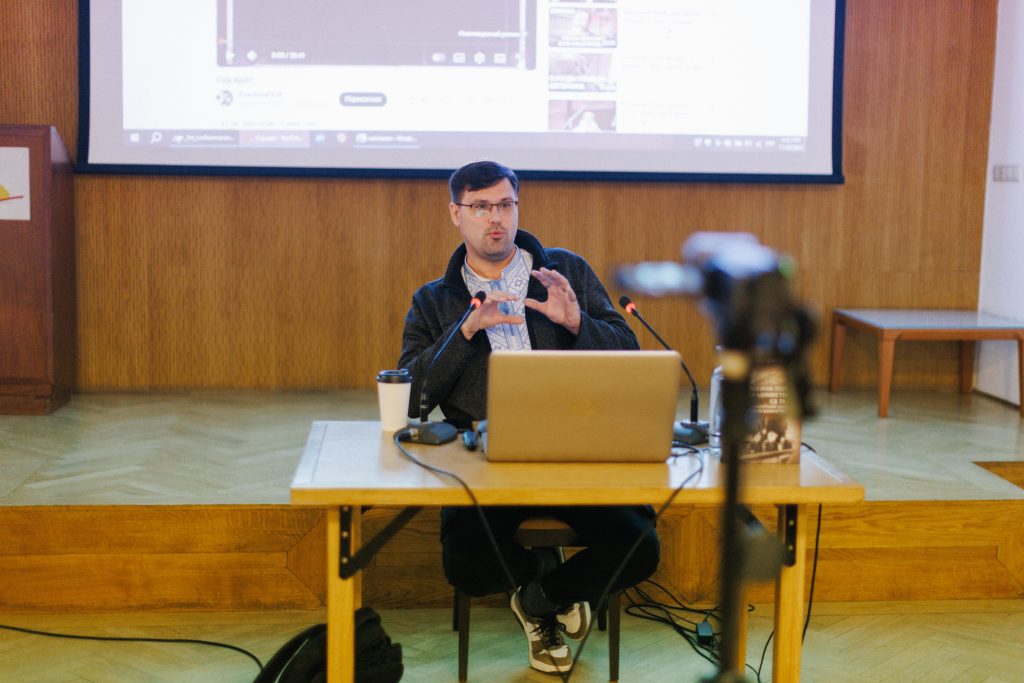
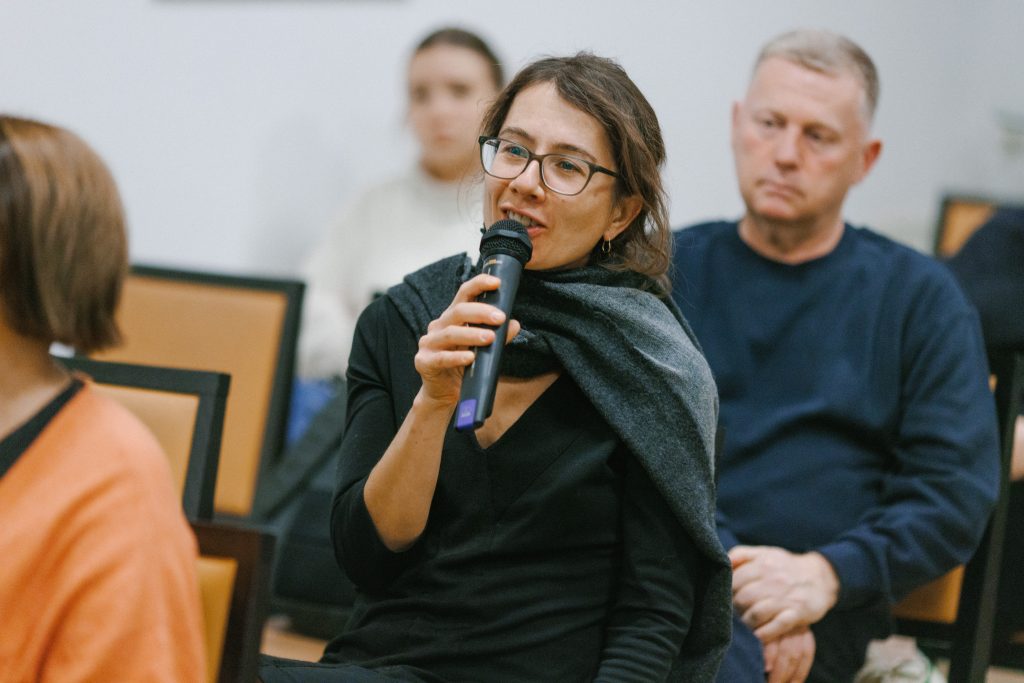
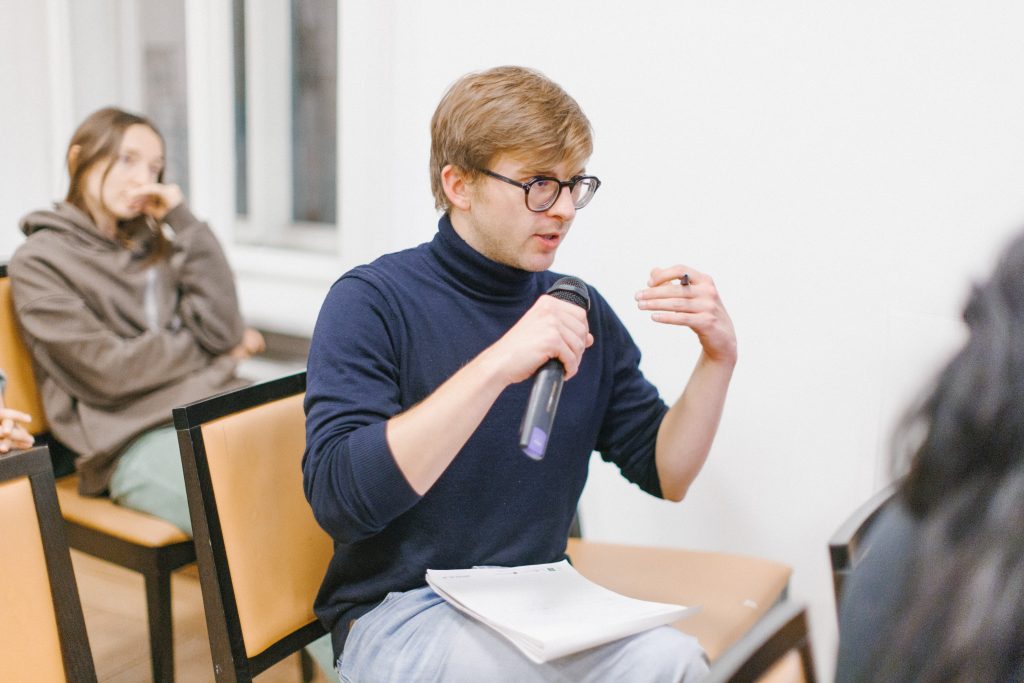
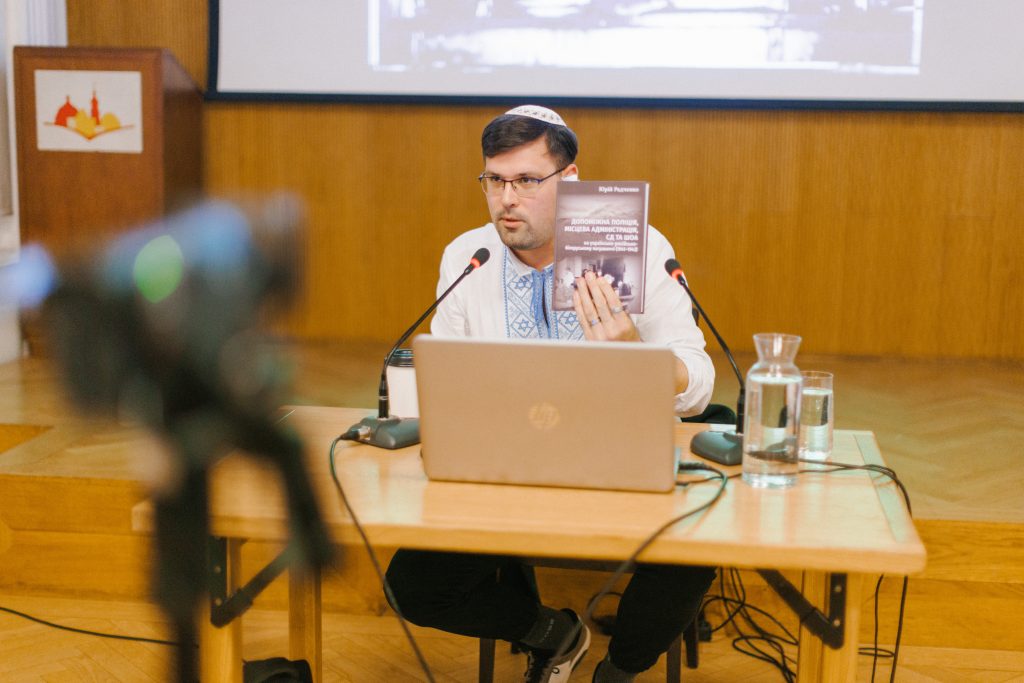
The event will take place as part of the public program "Source as a Choice" organized by the Center for Urban History in partnership with Documenting Ukraine / IWM and Research Centre Ukraine / Max Weber Foundation.
During the meetings, researchers will share their work with various sources on war and mass violence in the twentieth and twenty-first centuries. The choice to create and preserve sources can be one of the tools for embodying this violence or, on the contrary, for opposing it. Our choice to talk about these events through the prism of certain sources creates a field in which the complex past will live on in the present and future.

Credits
Cover Image: Ghetto in Kharkiv from the Yad Vashem Archive
Gallery: Mariia Urban