
Caregiving citizens: War, Women and the Making of the Common in Ukraine


Ioulia Shukan, Yevheniya Nesterovych, Natalia Otrishchenko
4.11.2025, 18:30
Conference Room of the Center for Urban History
We invite you to a discussion around Ioulia Shukan's recent book Citoyennes soignantes. Guerre, femmes et fabrique du commun en Ukraine (Caregiving citizens: War, Women and the Making of the Common in Ukraine), Editions de la MSH, 2025. Based on longitudinal ethnographic research conducted between 2014 and 2022, this monograph analyses Ukrainian women's voluntary engagement in caregiving for wounded servicemen at the Kharkiv military hospital. It addresses the sociological enigma of the durability and solidity of this commitment within the context of a protracted war in the East of Ukraine.
The book shows how this involvement, centered on improving the quality of military medicine and thus contributing to the common good through better medical care for the wounded, is both distinctive and emblematic of broader patterns of female participation and gendered roles in wartime Ukraine. While this engagement in caregiving reinforces traditional gendered order, it simultaneously transforms volunteers' self-perceptions, senses of belonging, social worlds, and life trajectories, contributing to a reconfiguration of their political subjectivities and citizenship practices. Firmly grounded in materiality and informal practices, it contributes to a reconstruction "from below" of military medicine, operating within the interstices of formal state action.
Although socially valued and bringing social recognition, the engagement has been criticized for its non-contribution to formal reforming processes; it also comes at a high social cost for women involved. Finally, although inherently fragile due to its very informal nature, this involvement has proven resilient over time, providing a foundation for social remobilization in response to Russia's full-scale invasion of Ukraine.
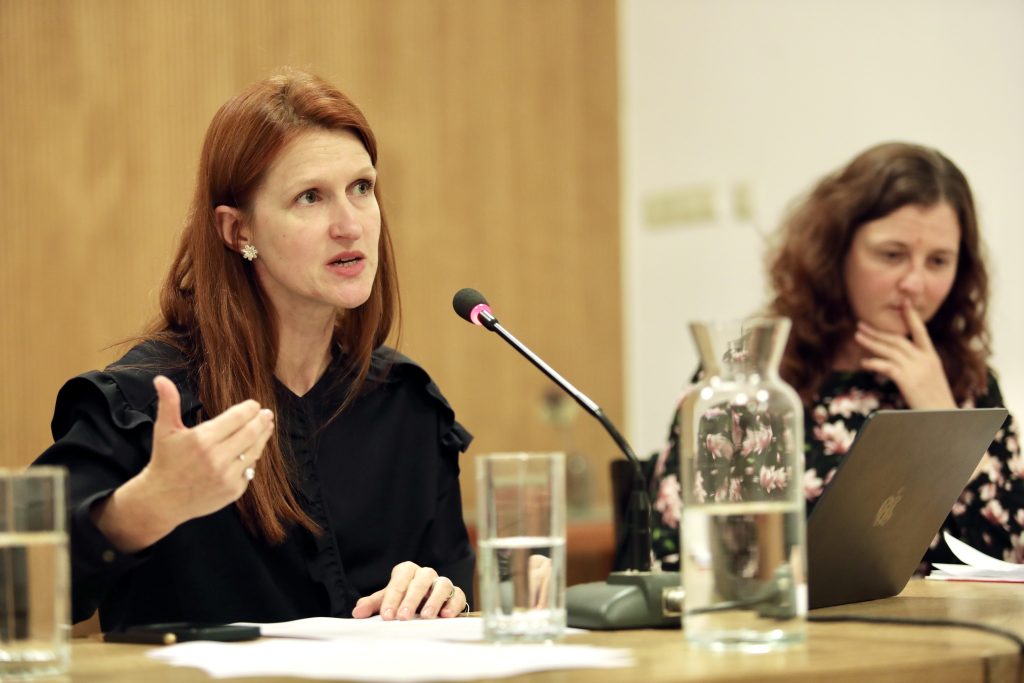
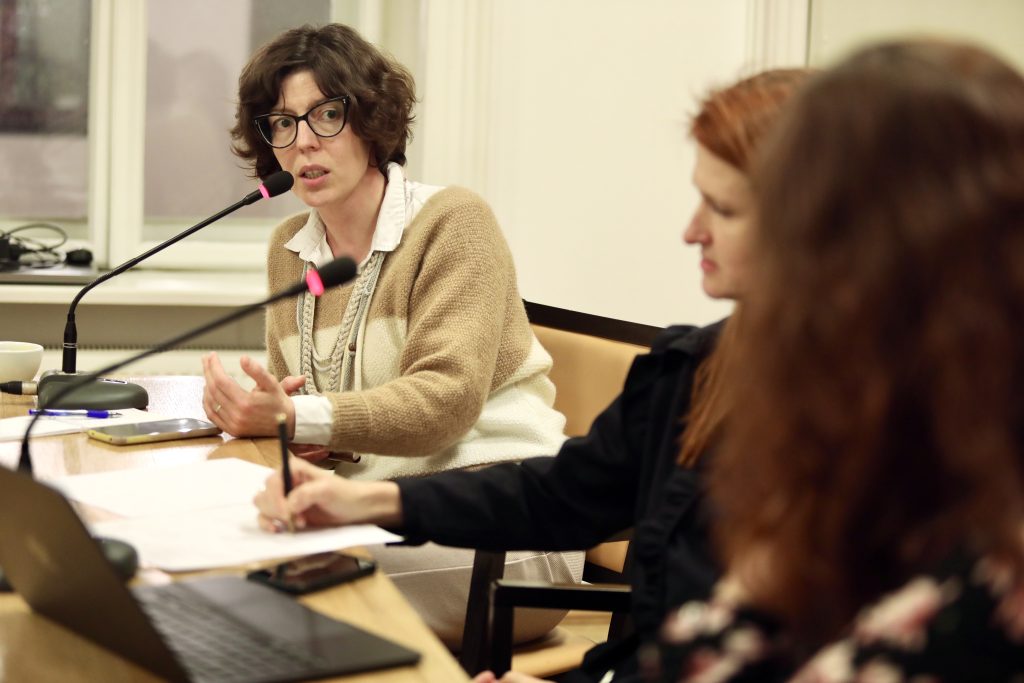
Ioulia Shukan will be in conversation with Natalia Otrishchenko, sociologist at the Center for Urban History, one of the PIs of the U-CORE project, as well as with Yevheniya Nesterovych, cultural manager and the head of "Post Bellum – Ukraine".
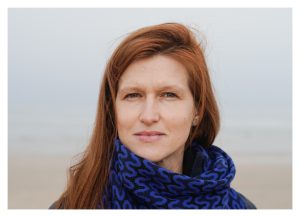
Ioulia Shukan
Sociologist, professor at the School for Advanced Studies in Social Sciences (EHESS) in Paris and researcher at the Center for Russian, Caucasian, East-European and Central-Asian Studies (CERCEC). She is currently working on a new project that explores, from a sociological perspective and in a dialogue with history of armed conflicts and mutilations of the 20th century, the link between war, solidarities, and care for mutilated bodies in the Russian-Ukrainian war (2014–…).
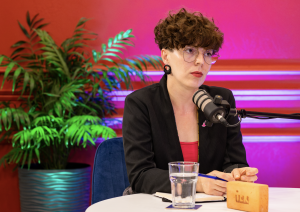
Yevheniya Nesterovych
Culture manager, critic, and writer. She was a co-editor of the culture page in the online publication Zbruch (2013-2018), a program director at the NGO “Art Council Dialogue” (2015-2021), and a program coordinator at the Czech Center in Kyiv (2020-2022). She contributes essays, criticism, and cultural analytics to various media outlets. Since May 2022, she has been leading the team of the NGO “Post Bellum–Ukraine”.
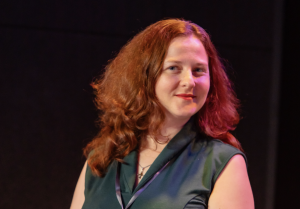
Natalia Otrishchenko
Researcher and coordinator of oral history projects at the Center for Urban History, PhD in Sociology. In 2019-22, she was affiliated with the Centre for Contemporary History in Potsdam, and in 2024-25 she was a UNET Fellow at ZOiS. She is an alumna of the Fulbright program. Since March 2022, she has been working on the international documentary initiative “24.02.22, 5 am: Testimonies from the War” (since 2024 – UCORE).
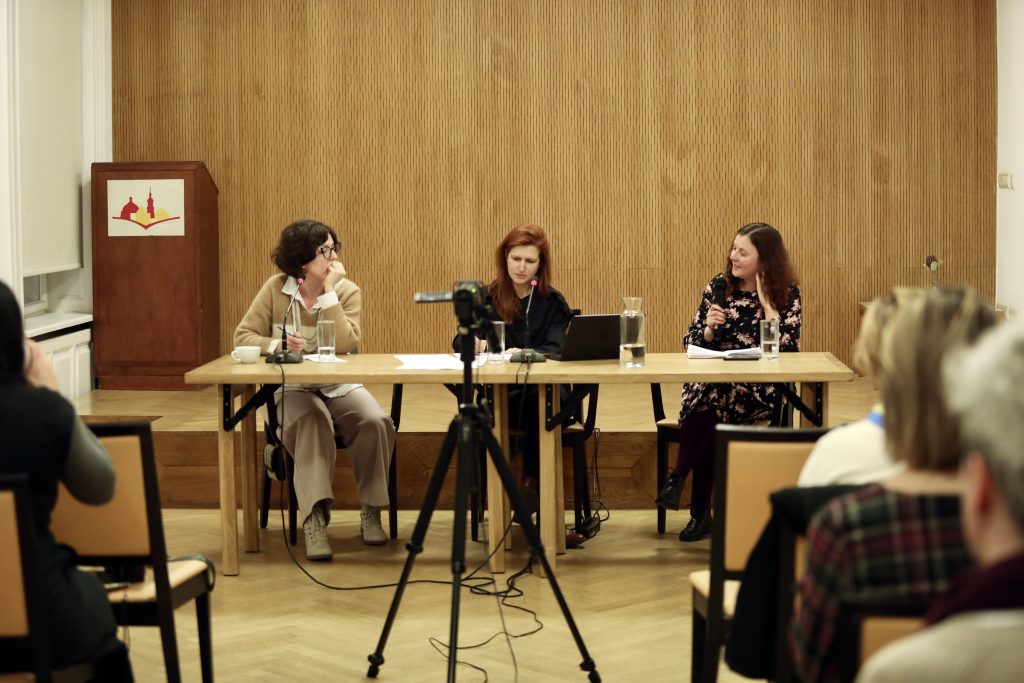
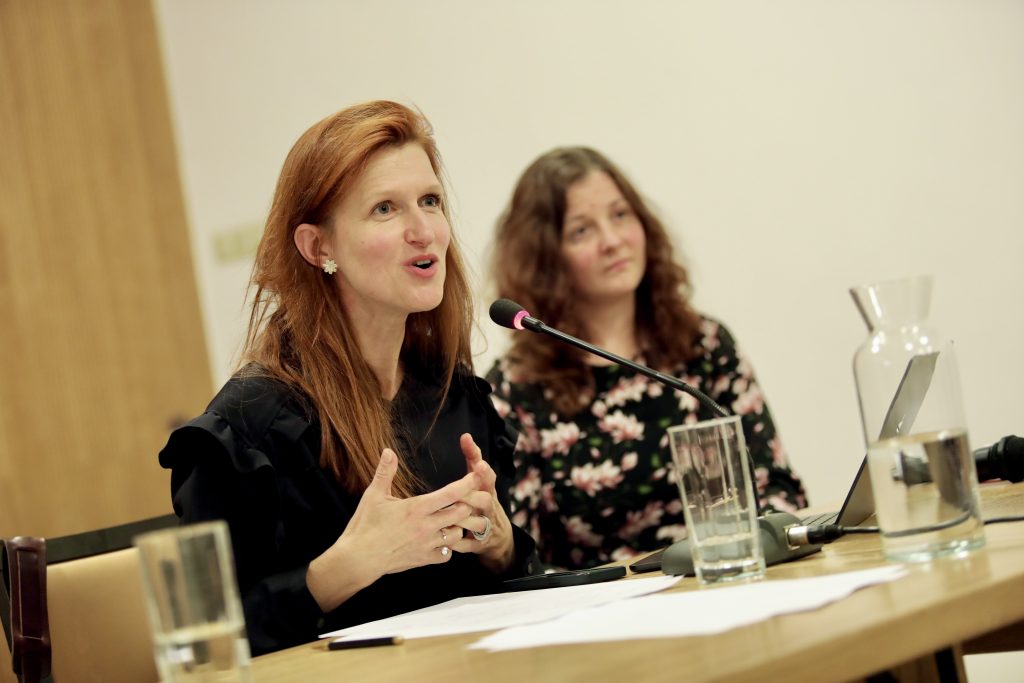
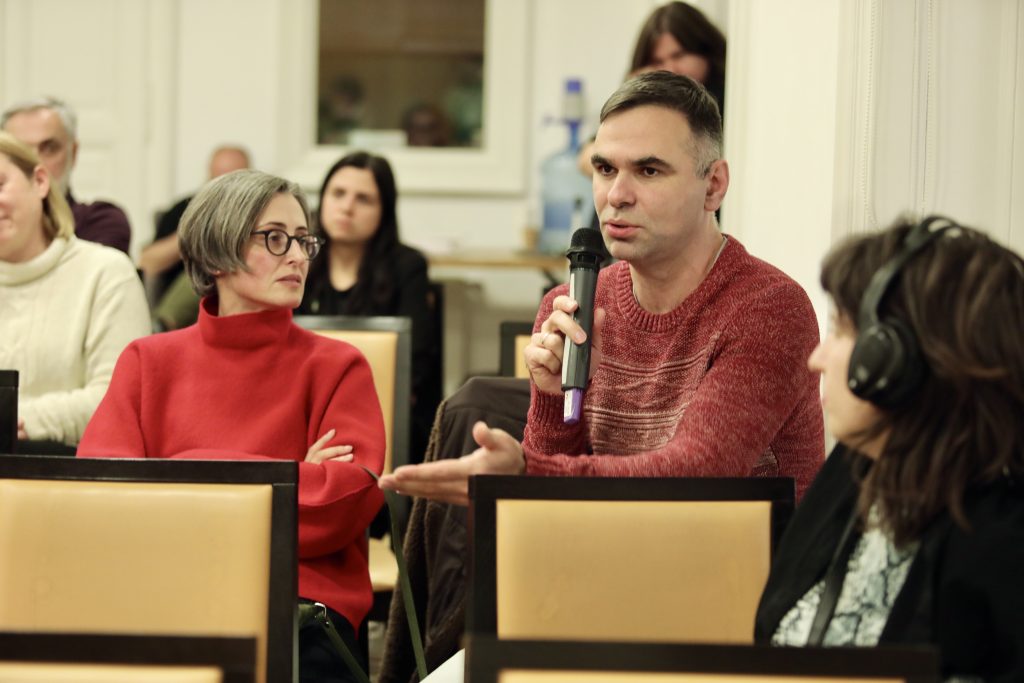
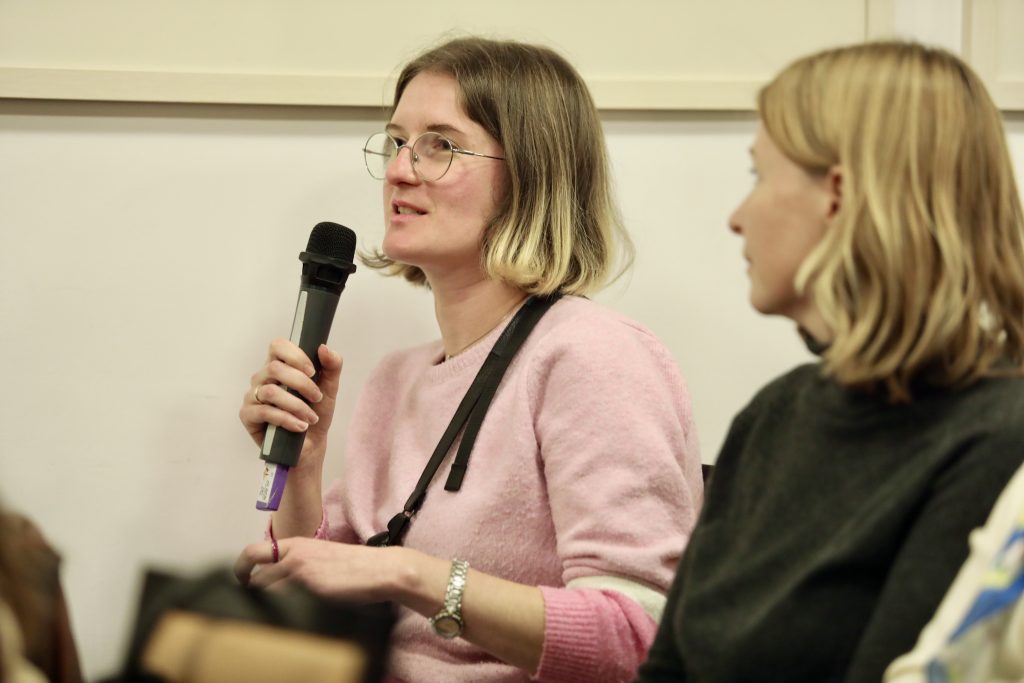
The event will take place as part of the public program "Source as a Choice" organized by the Center for Urban History in partnership with Documenting Ukraine / IWM and Research Centre Ukraine / Max Weber Foundation.
During the meetings, researchers will share their work with various sources on war and mass violence in the twentieth and twenty-first centuries. The choice to create and preserve sources can be one of the tools for embodying this violence or, on the contrary, for opposing it. Our choice to talk about these events through the prism of certain sources creates a field in which the complex past will live on in the present and future.



Credits
Cover Image: a cover of the Caregiving citizens: War, Women and the Making of the Common in Ukraine
Gallery: Iryna Sereda