2026 LivArch Fellows at the Center for Urban History


06.05.2026
In 2026, the second edition of the LivArch fellowship program for documenting and archiving the war will take place. The goal of these short-term fellowships is to collaboratively explore how "living archives" influence the methodology of historical research.
To integrate emergency documentation and archiving "today" ("living archives") and make these materials accessible to researchers, to promote justice and honor the memory of victims, conceptual, legal, and ethical reflections are needed, as well as technical infrastructure. "Living archives" require discussion of metadata standards, principles for collecting and processing sensitive data, and the development of sustainable practices for long-term archiving.
The LivArch War Documentation and Archiving Fellowship is designed to support people who create and research archives on the Russian war against Ukraine.
Among the program’s fellows are:
Alona Bilokon
Regional GCIP Acceleration Center for Innovation, Technology, and Startups in the Mykolaiv Region of UkraineTopic: Ethical and Legal Considerations Regarding the Archiving of Confidential Energy Data During Wartime
Hanna Drobot
Independent online media "Tochka Shodу"Topic: Analysis and Systematization of Interviews with Families of Prisoners of War, Civilian Detainees, and Persons Missing in Action (2024–2026)
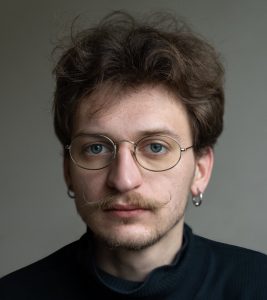
George Ivanchenko
Ukrainian photographerProject: “Warchive”
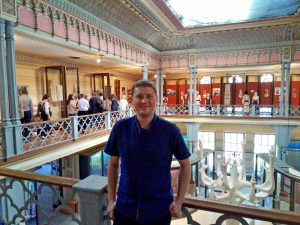
Oleksandr Golovko
M. T. Rylsky Institute of Art Studies, Folklore, and Ethnology of the National Academy of Sciences of UkraineTopic: Sensitive Data in Accounts of the Full-Scale Russian-Ukrainian War: Practices of (Non)Representation in Domestic Source Publications and Online Platforms
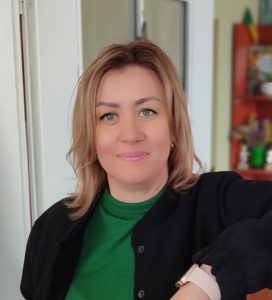
Kateryna Homeniuk
Archives Department of the Bucha City CouncilTopic: Voices of Bucha: A Digital Memory Archive
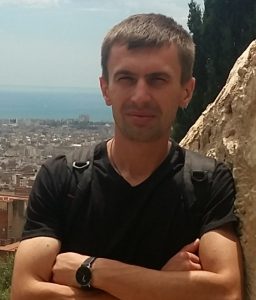
Olexandr Kolomyichuk
Department “Ukrainian Ethnological Centre” at the M. T. Rylskyi Institute of Art Studies, Folkloristics, and Ethnology of the National Academy of Sciences of UkraineTopic: Community in the Wartime Realities of Ukraine: Religious Practices and Social Ministry of Greek Catholics in Northern Kyiv Region (2022–2026)

Roman Koval
NGO "Truth Hounds"Topic: The Impact of the Requirement for Evidentiality on the Structure of Sources and Its Implications for Understanding Facts and for Historical Writing
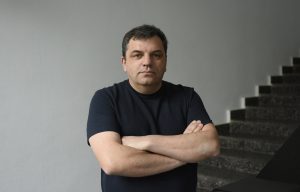
Ivan Moysiyenko
Kherson State UniversityTopic: The Impact of War on Cultural Heritage Sites Rich in Natural Biodiversity

Olha Opalenko
NGO "Truth Hounds"Topic: Living Archives of War: From Fragmentation to Communication
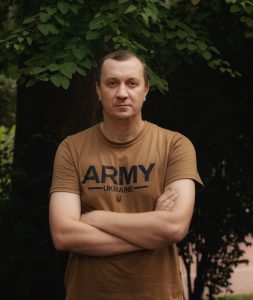
Serhii Rudko
Hetman Petro Sahaidachnyi National Army Academy, National University of Ostroh AcademyTopic: Archiving of Oral and Semi-Oral Testimonies from Participants in the Kherson Offensive Operation of the Armed Forces of Ukraine
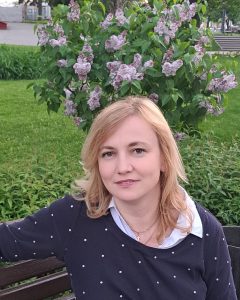
Svitlana Scherbyna
T.G. Shevchenko National University "Chernihiv Collegium"Topic: Archiving Children’s Testimonies of War: Ethical and Psychological Standards for “Living Archives”
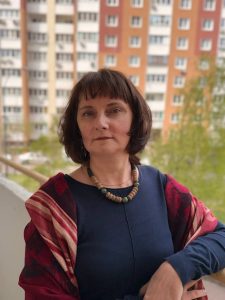
Myroslava Smolnitska
Institute of History of Ukraine, National Academy of Sciences of UkraineTopic: Spatial Metadata in Oral Testimonies of the War

Kyrylo Tarasenko
Independent researcherTopic: Digital Tools and Infrastructures for Archiving Materials of the “Most Documented War”
Iurii Rylskii
Museum of the History of PJSC "Dniprospetsstal"Topic: Coverage in the pages of the factory newspaper Elektrometallurg of the participation of employees, veterans, volunteers, and PJSC “Dniprospetsstal” in repelling the Russian Federation’s armed aggression against Ukraine (2014–2021)

Yevhen Vorozheikin
Borys Grinchenko Kyiv Metropolitan UniversityTopic: The First Hours of the Invasion: A Chronology of Events in Ukrainian City Telegram Chats
Bogdan Zek
Volyn Regional MuseumTopic: The Russian-Ukrainian War in the Collections of Local Museums: Principles
of Acquisition, Potential of the Source Base, and Methodology for Working with It