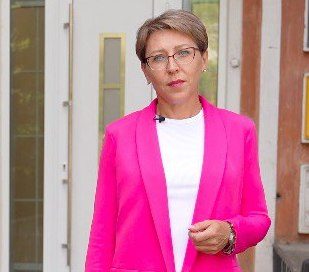
A practitioner of war documentation and a historian by profession. She works at the independent online media outlet "Tochka Shodу," where, since 2024, she has been systematically recording oral testimonies from families of prisoners of war, civilian captives, and persons missing in action from various regions of Ukraine. During this time, she has produced over 200 interviews, forming an open collection of textual and visual materials about the experiences of captivity, searching, and waiting. Before the full-scale invasion began, she worked in the media in Mariupol, where she gained many years of experience in journalism and editing. She graduated from Mariupol State University with a degree in History.
The topic of captivity is not only professional but also personal for her: her experience of living in Mariupol at the start of the full-scale war became the starting point for systematically documenting these stories. In her work, she combines journalistic practice with oral history approaches, paying particular attention to the ethical aspects of working with vulnerable groups, specifically informed consent, safety, and editing testimonies without distorting their content. She is the author and screenwriter of the documentary film "Stronger Than Death," dedicated to the death of a Ukrainian soldier in Russian captivity, as well as a series of video and text materials about civilians and prisoners of war.
During her residency at the Center for Urban History as part of the LivArch scholarship for documenting and archiving the war, Hanna will work on a project aimed at analyzing and systematizing a collection of interviews (2024–2026) as an example of a "living archive" of the war. As part of the project, she plans to structure the collected materials, develop a basic model for archival organization, and outline principles for metadata, publication ethics, and the long-term preservation of such testimonies. The work aims to transition from an intuitive documentation practice to a systematic approach that will preserve this collection as a resource for future research and human rights advocacy.