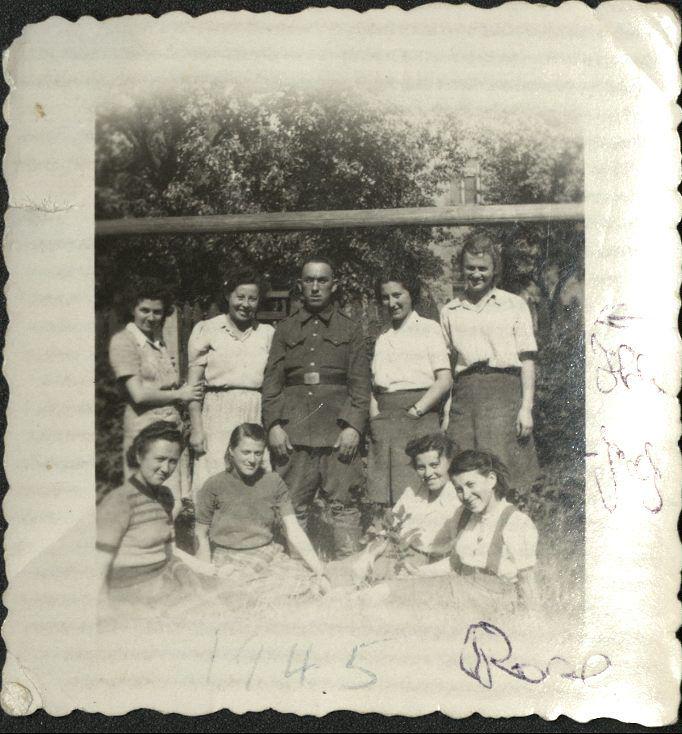
Agency and Solidarity of Jewish Survivors in Postwar Transcarpathian Ukraine


Dr. Pavlo Khudish
Uzhhorod National University29.10.2025, 18:30
Конференц-зал Центру міської історії
We invite you to a lecture by Dr. Pavlo Khudish, who continues the public series "Source as a Choice".
The return of Holocaust survivors to Transcarpathia took place against a backdrop of turbulent events: political uncertainty, postwar economic decline, and social instability. By early 1946, the Social Welfare Department of the People's Council of Transcarpathian Ukraine had registered 13717 Jewish survivors who had returned to the region. The direct leaders of this governmental structure were survivors themselves. Jews worked both as ordinary members of this department and as cooks in the newly established charity canteens that fed the newcomers, as directors of trusts, and as teachers in working schools, where they helped other survivors try to reintegrate into the new social realities.
The researchers emphasize the importance of studying the individual and collective agency of Jews during communism and the intermediate spaces that were the quasi-state of Transcarpathian Ukraine. Agency manifested itself in various forms of Jewish resistance, accommodation, or adaptation to communist realities. In his research, Dr. Pavlo Khudish focuses on the surviving Jews not as victims of Soviet reality, but as agents who used the limited legal framework and opportunities in a very creative way to achieve their ideals and goals. The researcher tries to demonstrate how ordinary Holocaust survivors themselves contributed to, adapted to, and shaped broad supra-individual forces and structures, becoming, in the words of German historian Alf Lüdtke, "both objects of history and its subjects."
During the lecture, we will discuss the numerous sources created by Jewish survivors in Transcarpathian Ukraine in 1944-1946. What can statements, petitions, complaints, certificates, and lists, which often had the same type of information, tell us? What difficulties can researchers encounter when "reading" these sources, and how can they build a narrative on their basis?
The event will be moderated by Dr. Vladyslava Moskalets.
Associate Professor at the Department of Archaeology, Ethnology and Cultural Studies at Uzhhorod National University. In 2016 he received his PhD in History. His research focuses on the history of Eastern Europe in the twentieth century. His research interests include the history of the Jews of Zakarpattia, Holocaust studies, World War II, borderland studies, and the history of Czechoslovakia. 
Dr. Pavlo Khudish
Uzhhorod National University
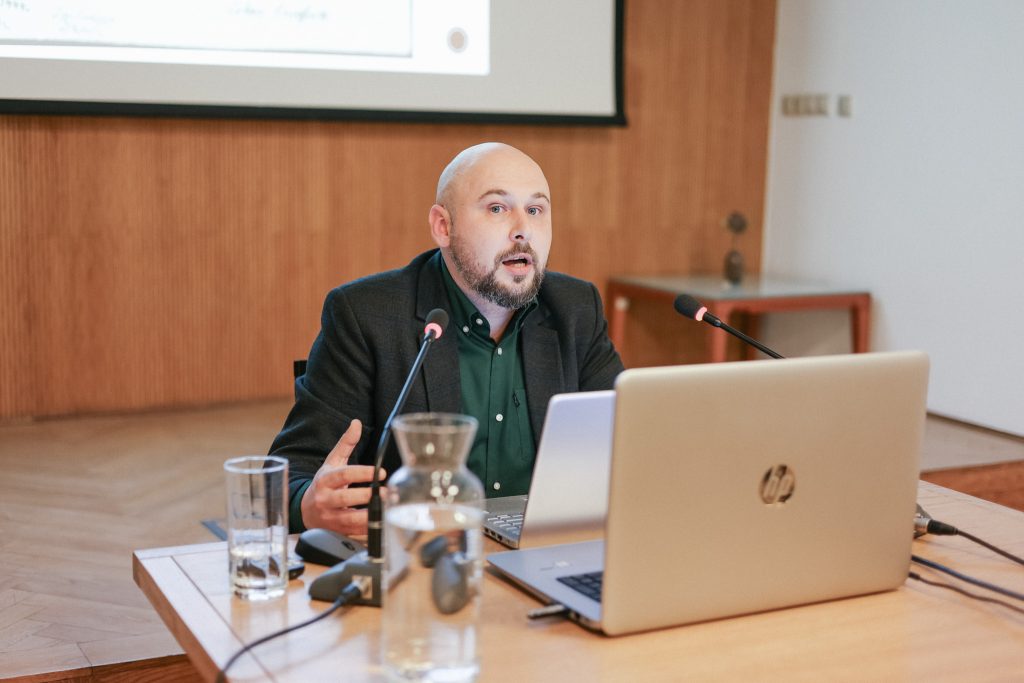
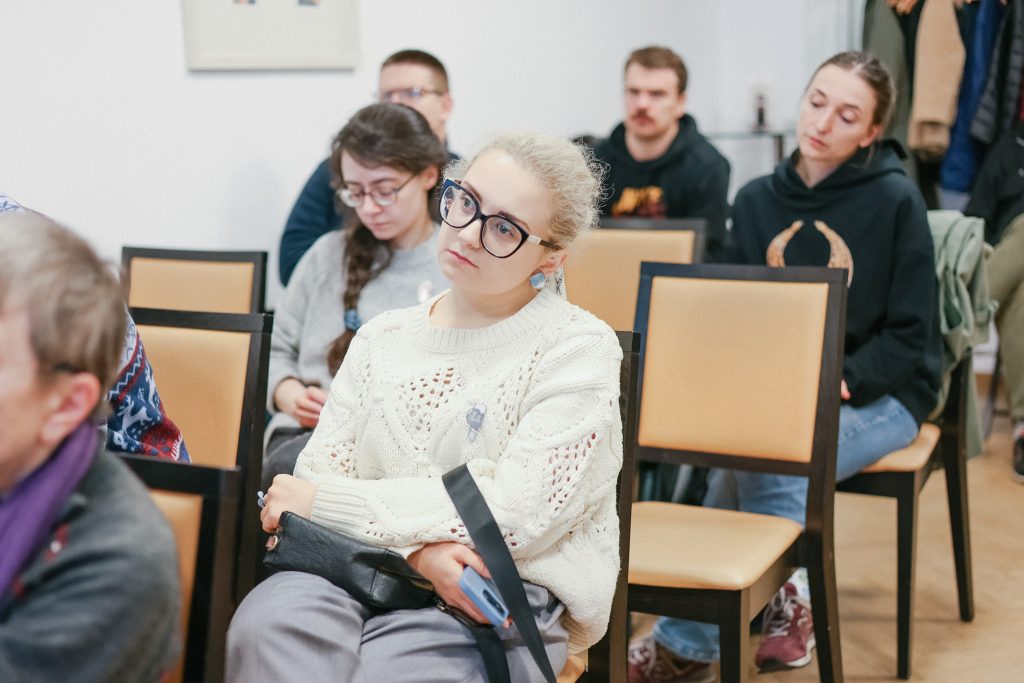
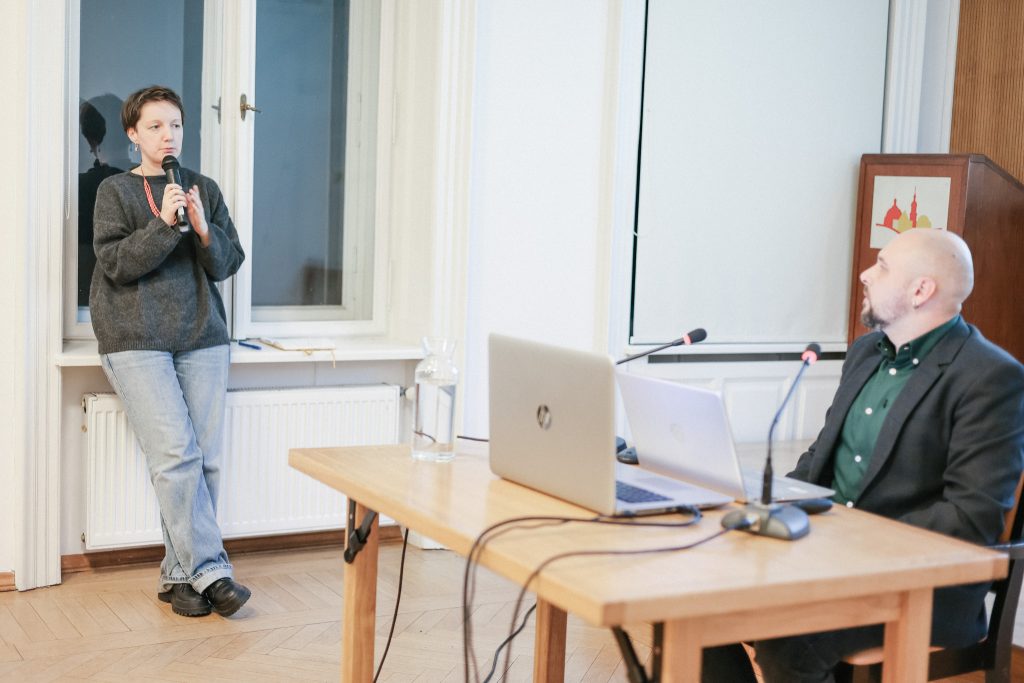
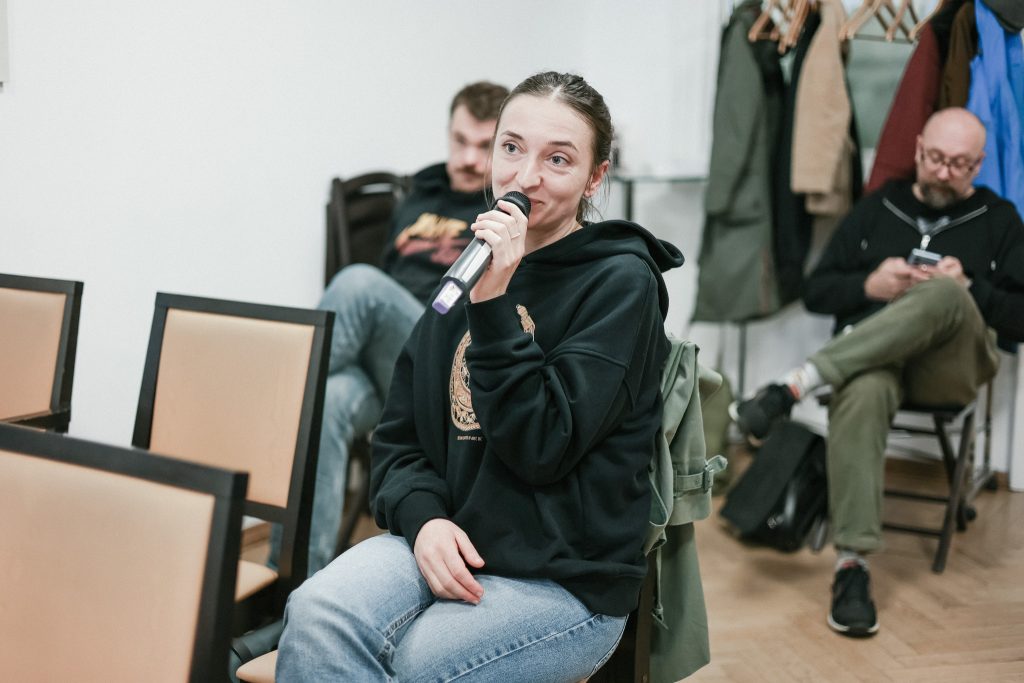
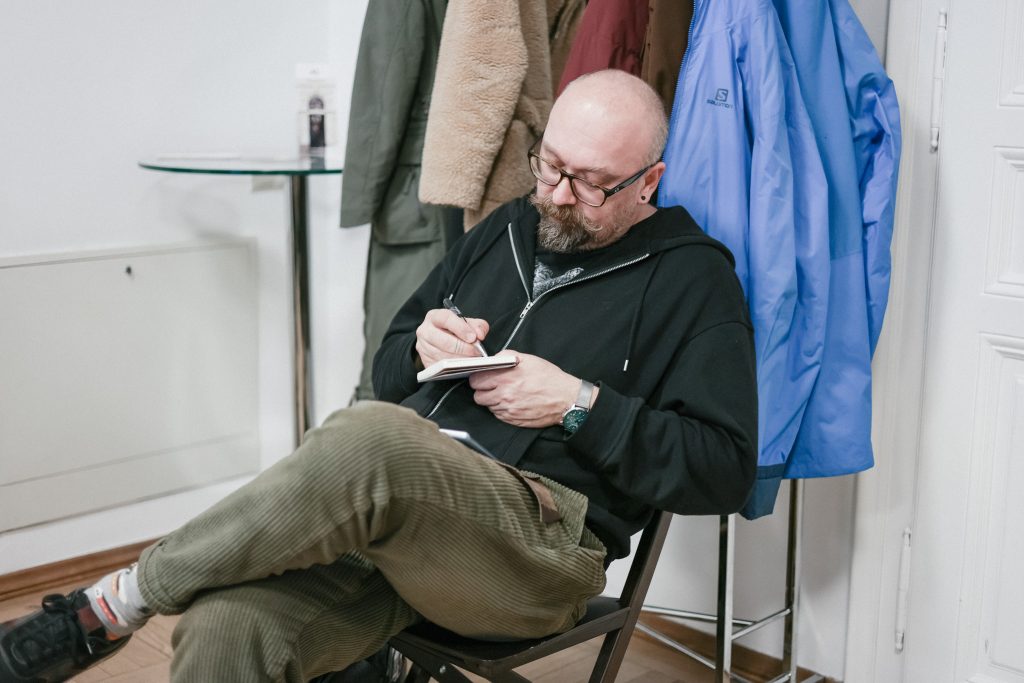
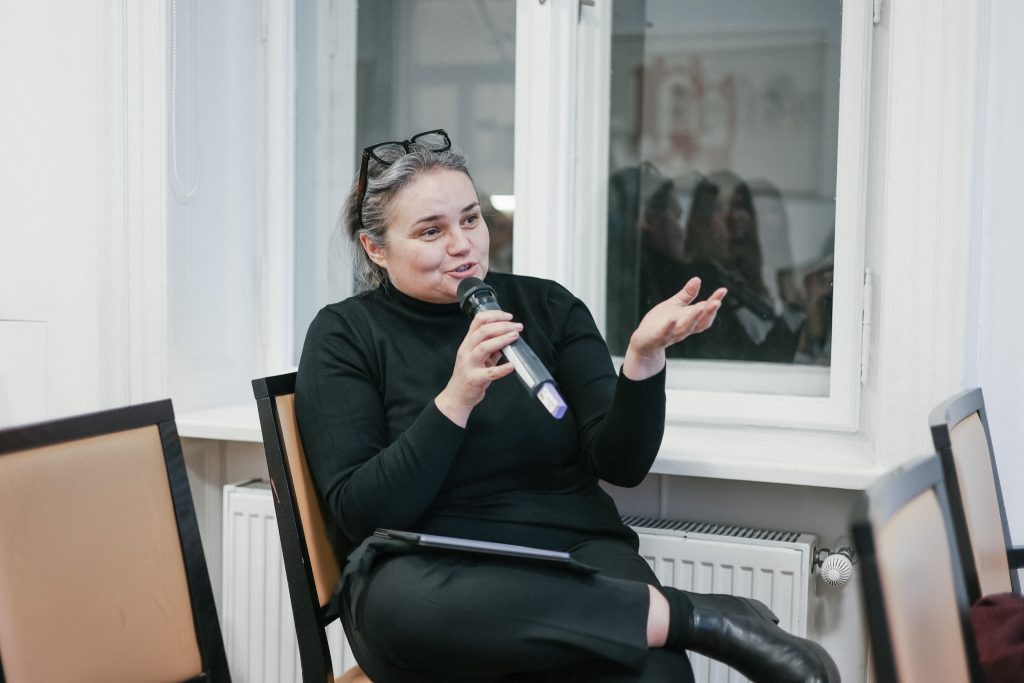
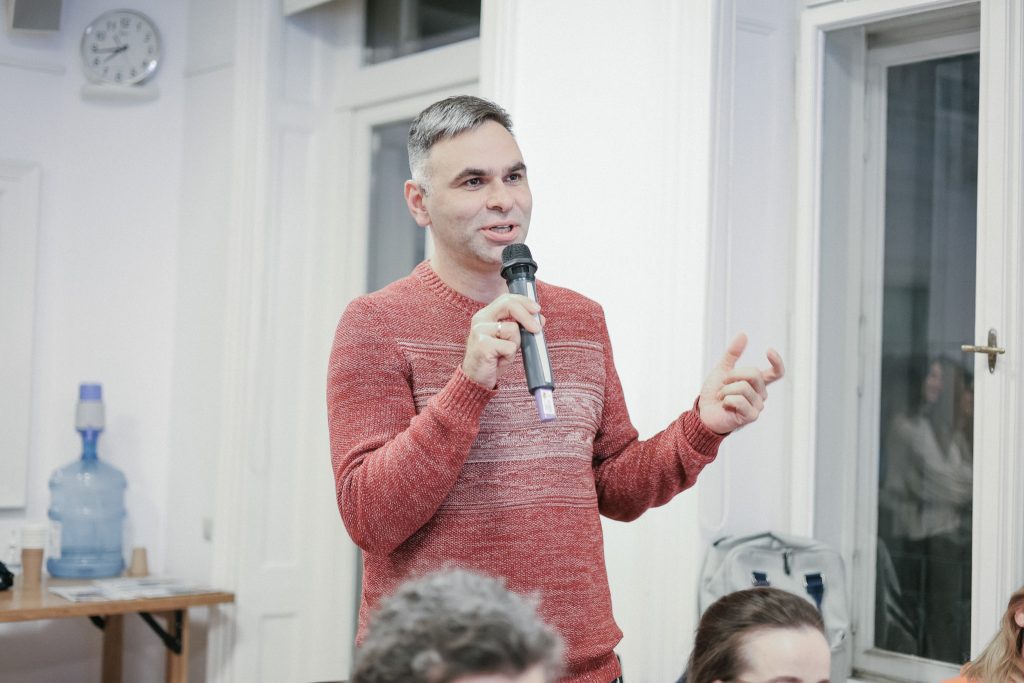
The event will take place as part of the public program "Source as a Choice" organized by the Center for Urban History in partnership with Documenting Ukraine / IWM and Research Centre Ukraine / Max Weber Foundation.

Credits
Cover Image: Rose, Helen and Judit Schwartz on their way back home from the camps to Subcarpathian Ruthenia (1945). Source: Rose and Max Schindler collection, Accession Number: 2017.249.1, USHMM Archives.