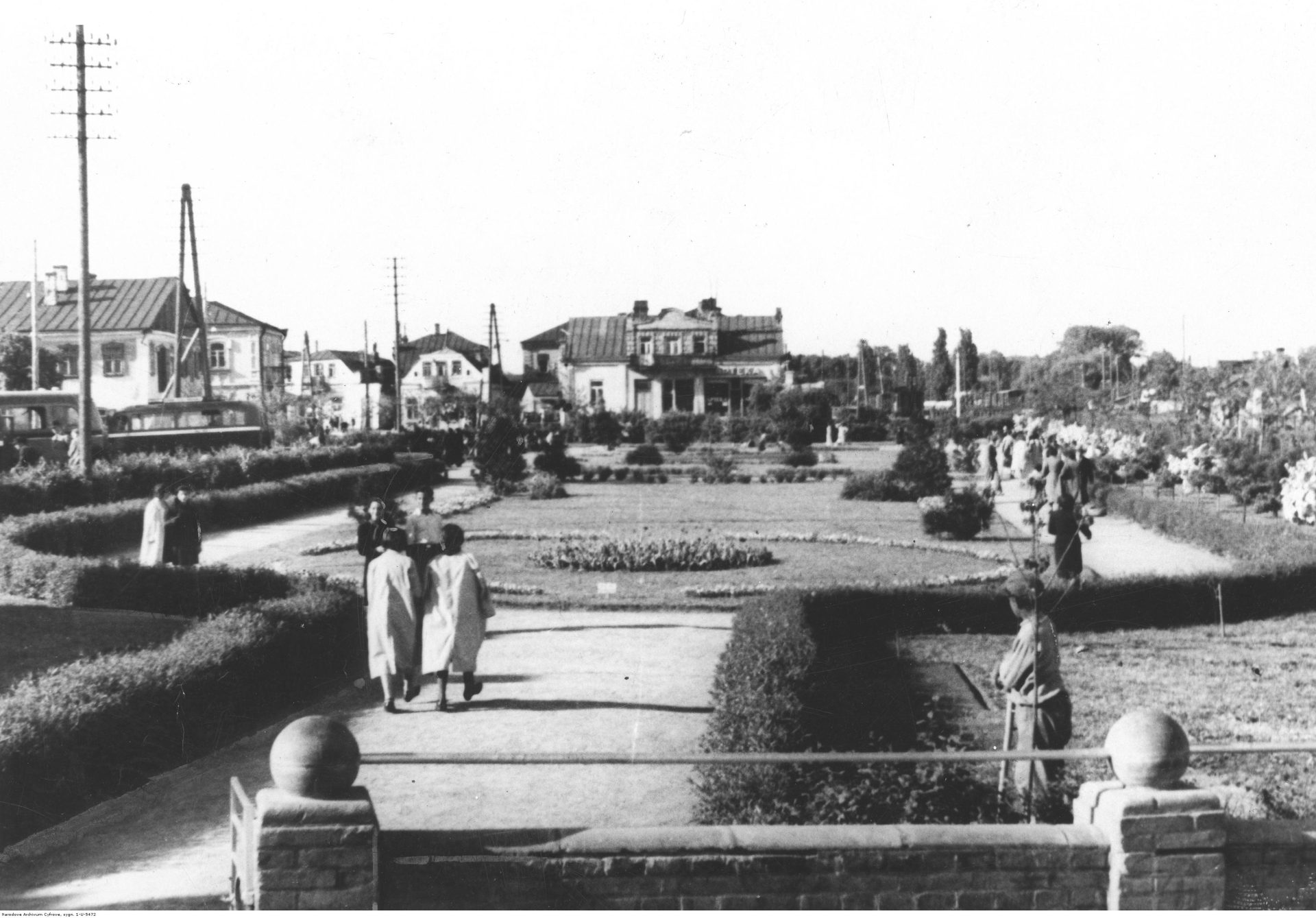
A Small Big City in Volyn: Rivne in the Interwar Period


Petro Dolhanov
26.9.2025, 17:30
Centre of Digital Hisotry, Rivne
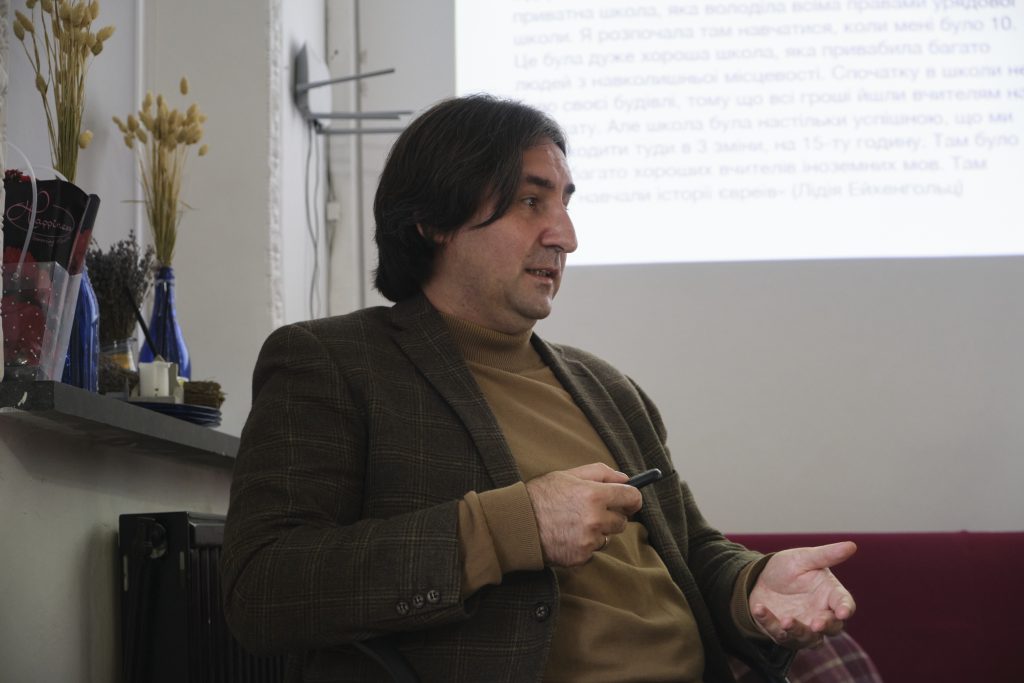
We invite you to a lecture by researcher Petro Dolhanov, which is part of the public series "Weaving Heritage" of the project "REHERIT 2.0: Common Responsibility for Shared Heritage”.
For centuries, the territory of Eastern Europe, including Ukraine, has been a multi-ethnic borderland. In the interwar period, coexistence of different communities that preserved traditional values was still a characteristic feature of western Volyn and Rivne. The largest Jewish community in the Volyn Voivodeship lived here, with more than 20,000 members. Thousands of Poles and Ukrainians, as well as several hundred Czechs, Germans, and Russians also lived here. Interwar Rivne was affected by the processes of modernization of the three largest ethnic communities that inhabited a relatively small town (over 40,000 inhabitants) by the standards of Europe at the time, but a real "metropolis" from the perspective of the inhabitants of the Volyn Voivodeship.
In the interwar period, Poles and Ukrainians experienced a difficult period of growing tension due to the clash of their nation-building projects. Still, a large number of peasants around the city continued to live in conditions of low literacy and apathy toward political processes.
The Jewish minority, which in fact constituted the absolute majority in Rivne (56-71% in 1920-1930), also nurtured its own hopes for a modern future, succumbing to secularization and modernization processes. Some were guided by leftist ideas, but it seems that the majority of intellectuals were increasingly confident in their support for Zionism. While in the early 1920s the streets of Rivne were dominated by Yiddish, Polish, Ukrainian, and Russian, in the mid-1930s a fifth language, Hebrew, was added. Nevertheless, many Jews in Rivne tried to continue to cling to conservative values while remaining faithful to the orthodox vision.
Orientation toward the dominant Polish language and culture was also popular among both Jews and Ukrainians as a way to integrate into the dominant environment. We can trace these assimilationist aspirations in the choice of the Jewish poet Zuzanna Ginczanka, who decided to write her poetry in Polish.
What should the future look like? Half a century ago, most residents of Rivne probably had little interest in this question. The past was more important. The way of doing business, religious rituals, political governance, and self-government were all based on traditions and habitual ways of doing things. This state of affairs is being eroded.
Representatives of different ethnic groups in Rivne believed, hoped, planned, and yet did not know their future for sure. The world of the borderland, which had existed for centuries, was undergoing unprecedented changes, but hardly anyone foresaw the full extent of the catastrophe that was coming in the form of World War II. What else can this story of the twilight of the ethnic borderland in Rivne teach us besides fatalism? It all depends on the perspective from which we look.
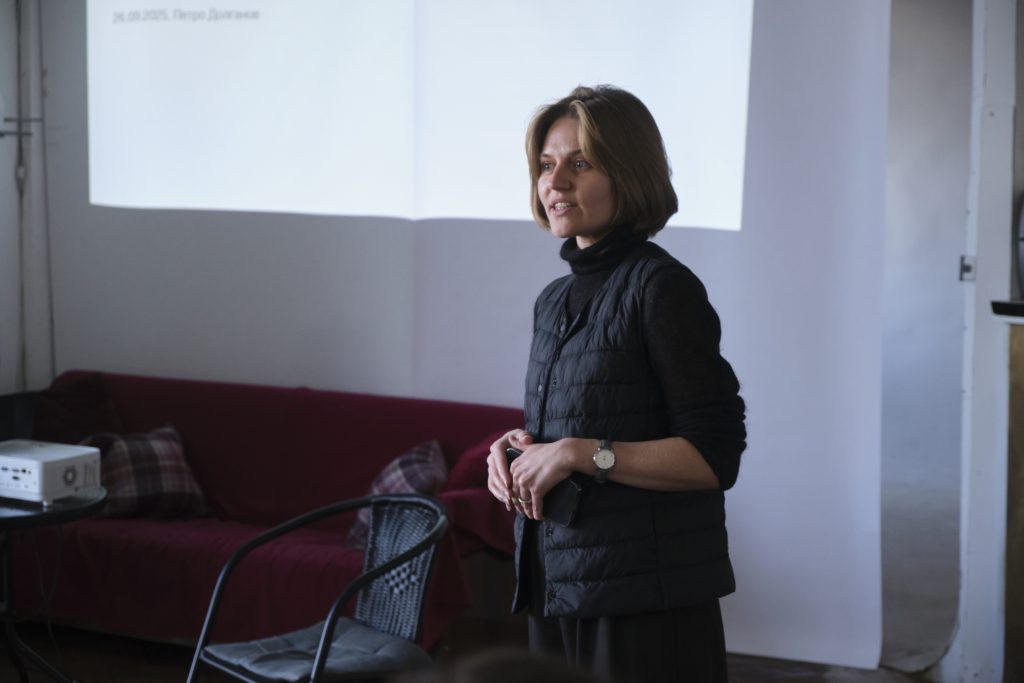
The event will be moderated by Kateryna Popova.
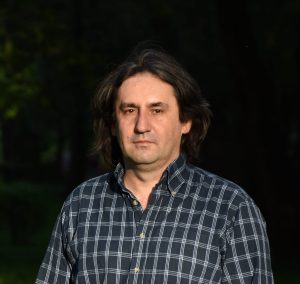
Petro Dolhanov
Rivne Regional Institute of Postgraduate Pedagogical EducationPhD in History, Associate Professor of the Department of Teaching Methods at the Rivne Regional Institute of Postgraduate Pedagogical Education, a member of the Mykola Haievoi Center for Contemporary History, editor of the section “Overcoming the Past” and guest editor of a special thematic issue on the Holocaust in the journal Ukraina Moderna.
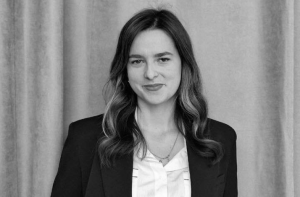
Kateryna Popova
Chairperson of the Board and member of the Expert Council of the Center for Studies of Memory Policy and Public History “Mnemonics”. Doctor of Philosophy in the field of educational and pedagogical sciences, teacher at Lyceum No. 19 in Rivne. Interests: multicultural education, state-church relations, memory politics. Participant in educational programs, seminars and trainings in Ukraine.
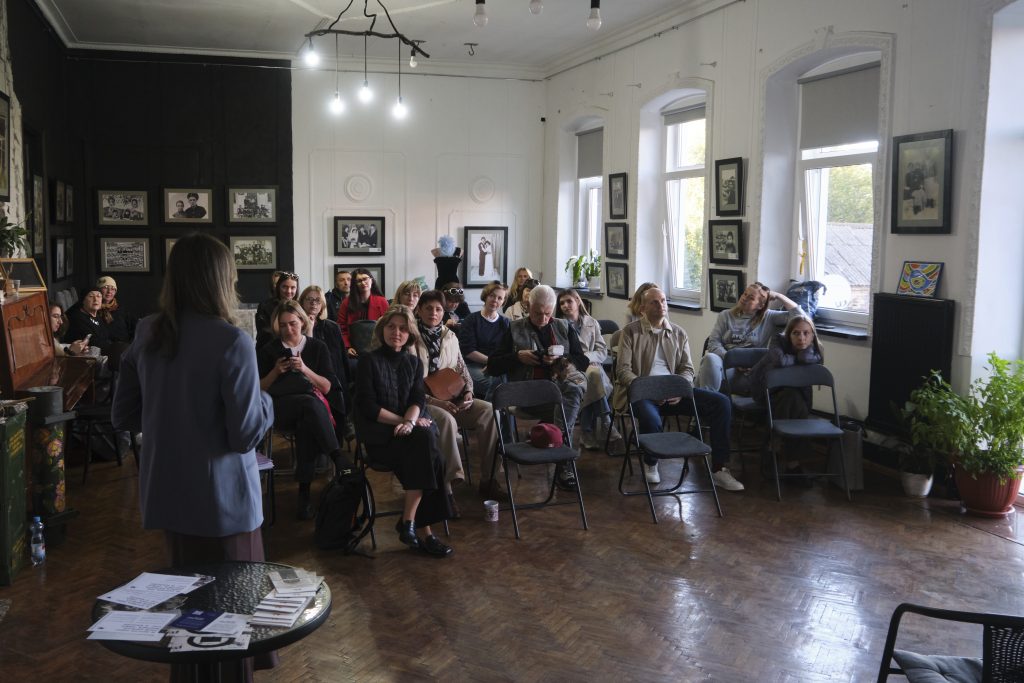
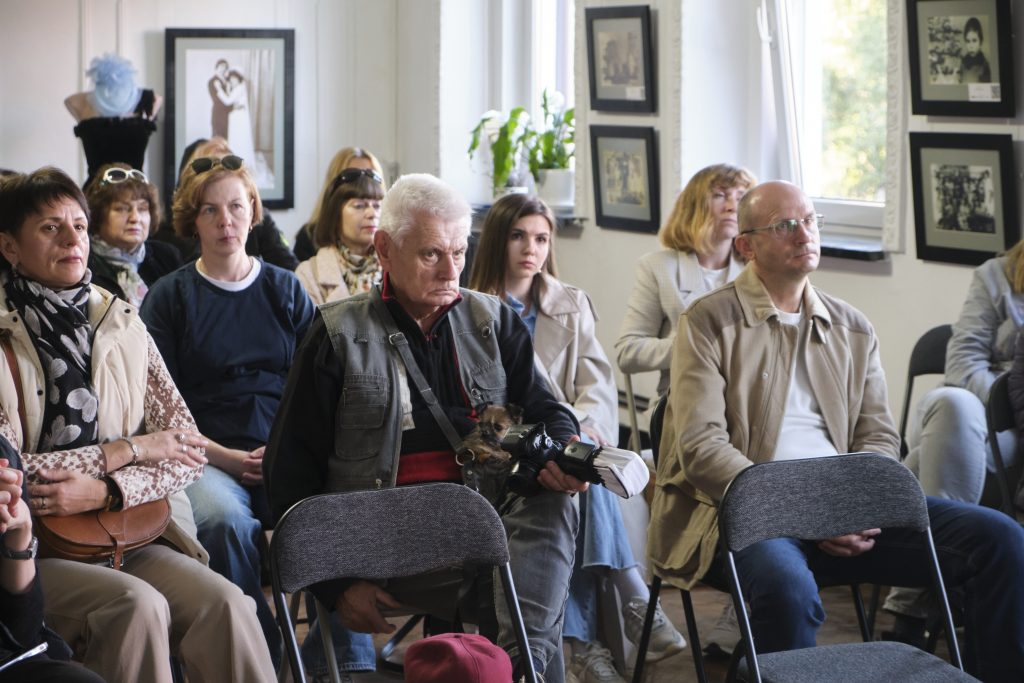
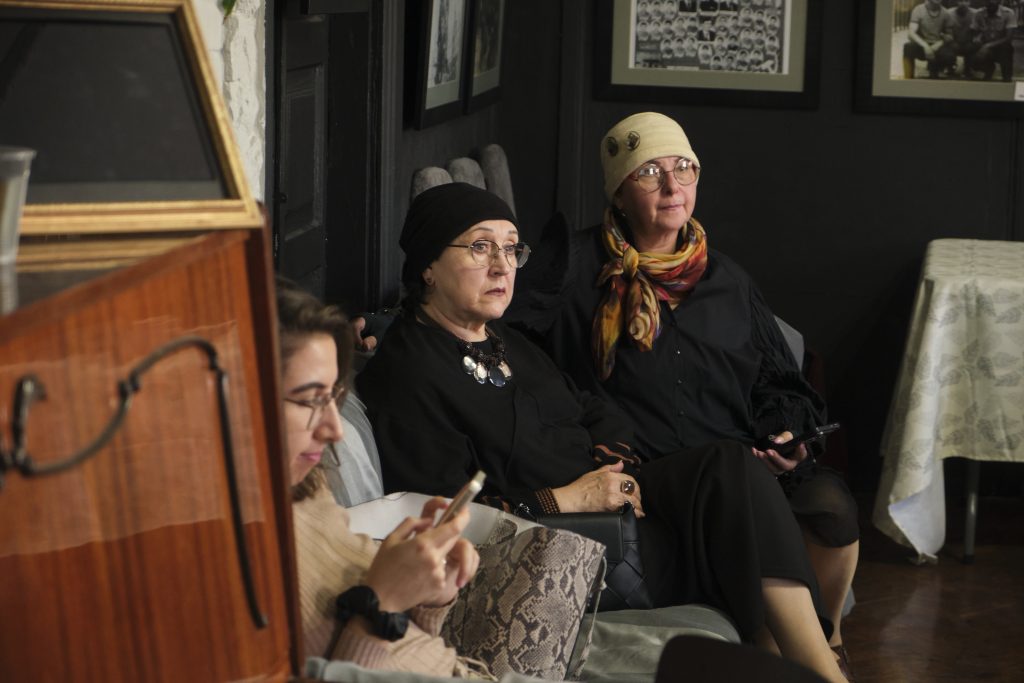
"Weaving the Heritage" series is a public program of the "REHERIT 2.0: Common Responsibility for Shared Heritage" project. "REHERIT 2.0 is implemented by the Center for Urban History and the Regional Development Center of the PPV Economic Development Agency with the financial support of the European Union.
This publication was produced with the financial support of the European Union. Its contents are the sole responsibility of the partners of the "REHERIT 2.0" project and do not necessarily reflect the views of the European Union.


Credits
Cover Image: Square on Garbarska Street (or Poniatowskiego Street), Rivne, 1918-1939 / Koncern Ilustrowany Kurier Codzienny - Archiwum Ilustracji / Narodowe Archiwum Cyfrowe
Gallery: Iryna Didyk