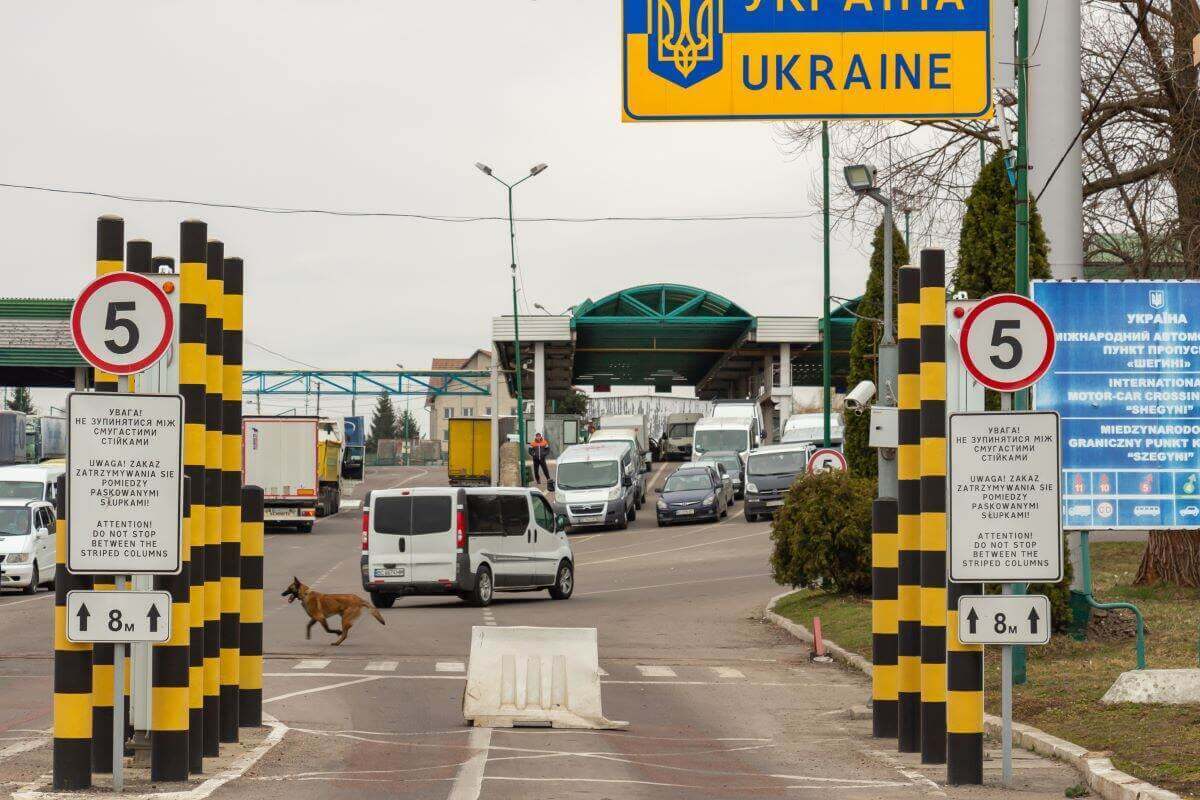
Experiencing Borders Today: War, Mobility, Crossings


18.9.2026, 18:30
Conference Room of the Center for Urban History
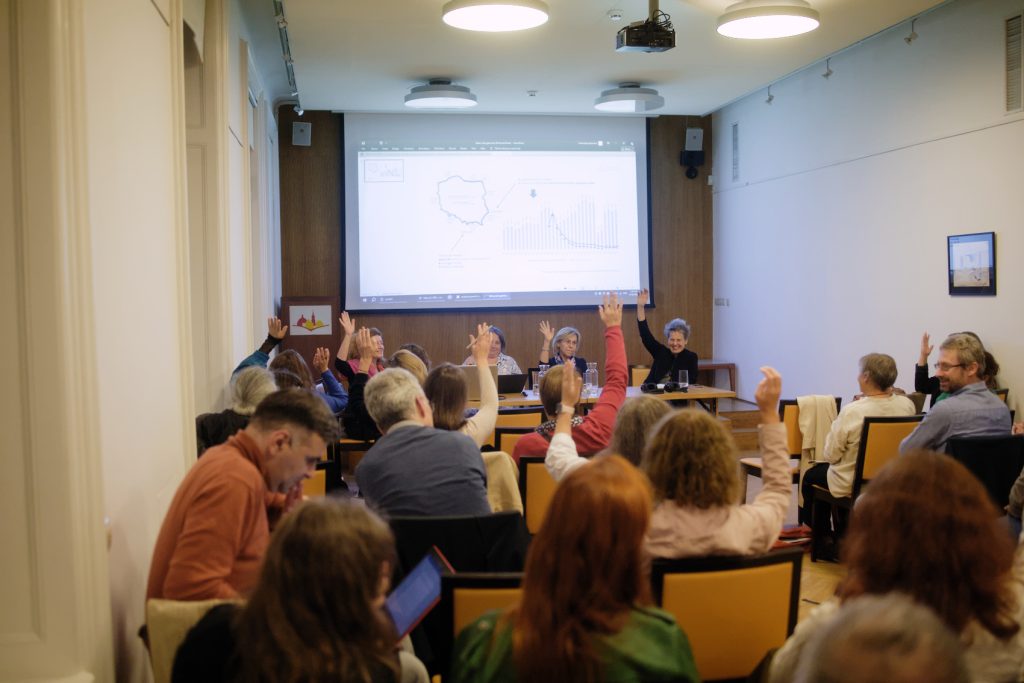
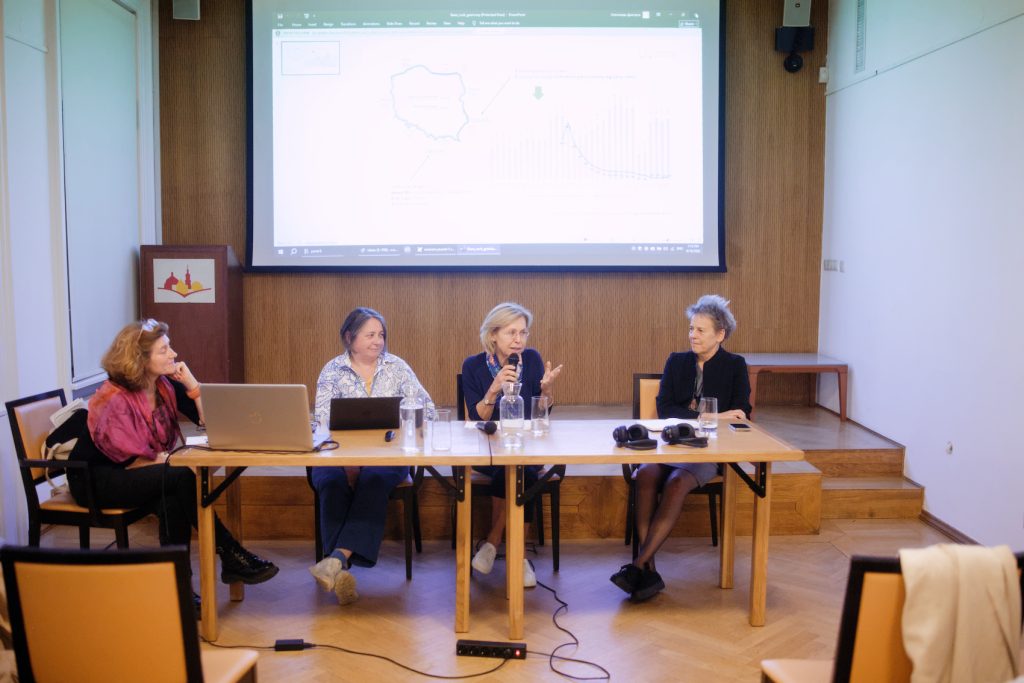
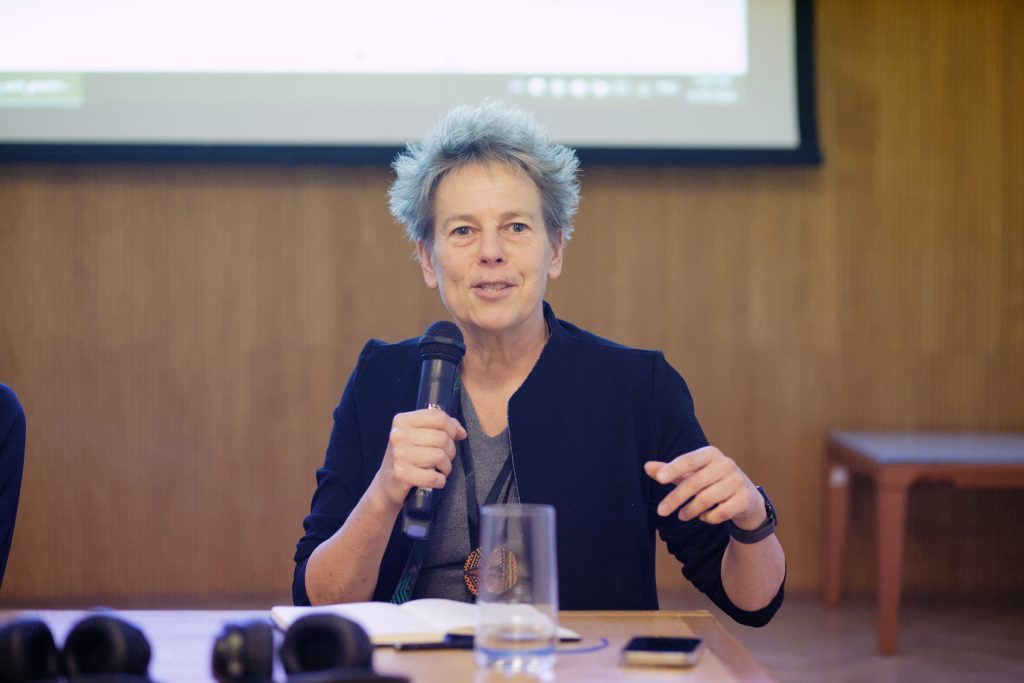
We invite you to a public roundtable, held as part of the conference "Experiencing the Borders: The Long 1940s and Their Legacies in (Eastern) Europe."
Since 2022, the Polish-Ukrainian border — at once a national border and the external edge of the European Union — has become one of the most intensely used and closely watched borders in Europe. Millions of people from Ukraine have crossed it, fleeing the war. Many of them are refugees moving back and forth rather than in a single direction. Almost five years into Russia's full-scale invasion, the ongoing war continues to test the infrastructure of both the national and the EU border, straining it through the sheer number of crossings and through who is doing the crossing. Given the restrictions on Ukrainian men leaving the country, these are predominantly women, elderly people, and children. The impossibility of having civilian aviation over Ukrainian territory due to the ongoing war means that for many Ukrainian citizens, crossing the EU border has simply become part of moving through the world, whether to take a vacation, go on a business trip, or manage life between a temporary or new home in the EU and a home in Ukraine. In a way, in the fifth year of the full-scale war, we can observe the exhaustion of human bodies crossing the borders and the material infrastructure of the borders. What does it mean to cross a border like this today, not as an abstract line on a map, but as a queue, a checkpoint, a document, a wait? What makes a border feel secure, comfortable, or humane, and what makes it feel exhausting, arbitrary, or humiliating?
This roundtable brings together people who think about and work with this border from different vantage points: a sociologist who has studied it since the early 2010s, a political scientist and historian working on it as an EU external frontier, a representative of the EU mission supporting integrated border management and the fight against cross-border crime in Ukraine. Together, they will reflect on how the Polish-Ukrainian border, which is also an EU-Ukraine border, operates and changes, tightening and relaxing over time, being refurbished and becoming outdated, stretched in its capacities, and rethought with new technologies. How changes can take different shapes, from progressive positive ones to lasting challenges and recurrent crises, sometimes linearly and sometimes in circles. How the everyday experience of crossing shapes people's sense of their own country, their neighbors, and Europe at large.
Beyond the post-2022 period, the conversation will also trace a longer trajectory. One instance would be the mid-1980s, when the Schengen agreement first made border-free travel so ordinary it could be taken for granted (until moments like the COVID-19 pandemic suddenly made that invisible border infrastructure resurface). Another instance is the 1990s, after which the border system in Europe began to transform more rapidly, and at times violently, bringing new openness and solidarity toward refugees alongside new closures and securitization, new migration routes, and new technologies of control and evasion.
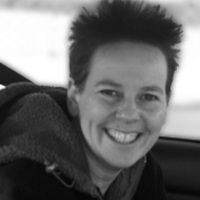
Joanna Konieczna-Sałamatin
University of WarsawJoanna Konieczna-Sałamatin is a sociologist at the Faculty of Sociology, University of Warsaw, working on values, national identity, and transformation in Poland, Ukraine, and Eastern Europe. In 2011, she led a research team studying everyday experiences of crossing at Polish-Ukrainian border checkpoints, as part of the “Przyjazna Granica” project.
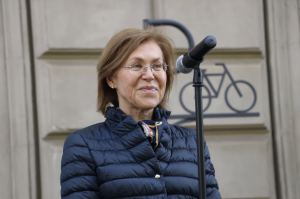
Hannelore Valier
European Union Advisory Mission (EUAM), UkraineHannelore Valier heads the EUAM Field Office in Lviv, where she leads efforts to counter cross-border crime and support Integrated Border Management along Ukraine’s EU borders. She previously spent over 20 years working with international organizations across the Balkans, including the OSCE and the EU Rule of Law Mission in Kosovo (EULEX).
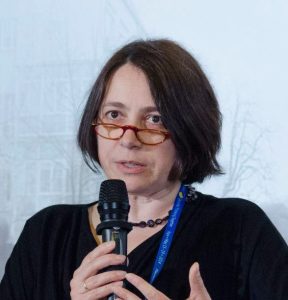
Tetyana Zhurzhenko
ZOiS BerlinTetyana Zhurzhenko is a Researcher at ZOiS Berlin, where her current project examines the transformation of Ukraine’s western borderlands due to the war with Russia. She previously directed the Ukraine in European Dialogue program at IWM Vienna and was a research fellow for the ERC project SOCIOBORD. Her expertise centers on memory politics and post-Soviet borders.
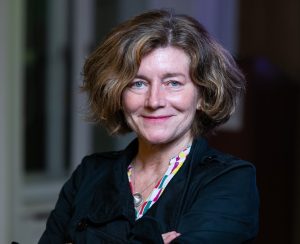
Natalie Nougayrède
re/visionsNatalie Nougayrède is a journalist, an editor at re/visions, and a former editor-in-chief of Le Monde. She was a member of The Guardian’s editorial board (2015–2020) and covered post-1989 transitions in Central Europe, including Ukraine, where she lived in the mid-1990s. She was awarded the Albert Londres journalism prize for her coverage of the war in Chechnya.
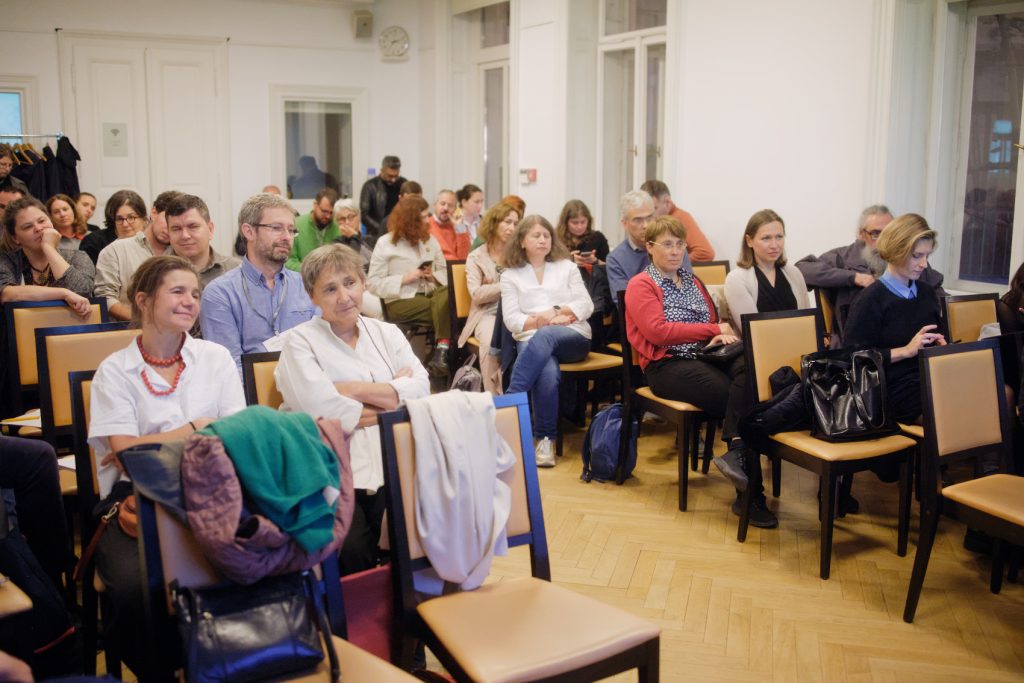
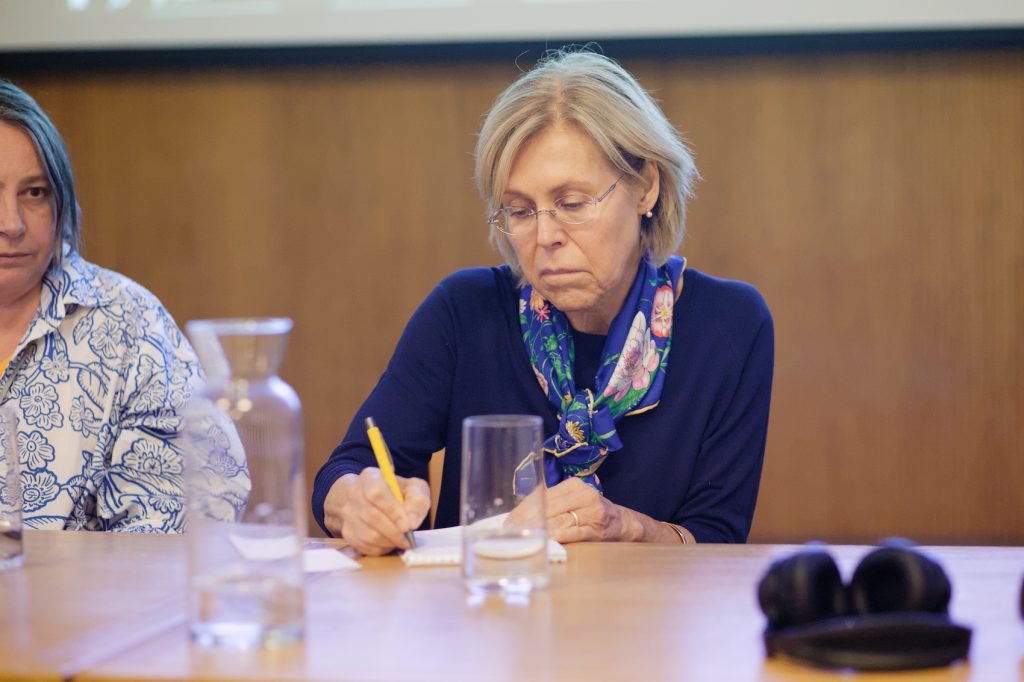
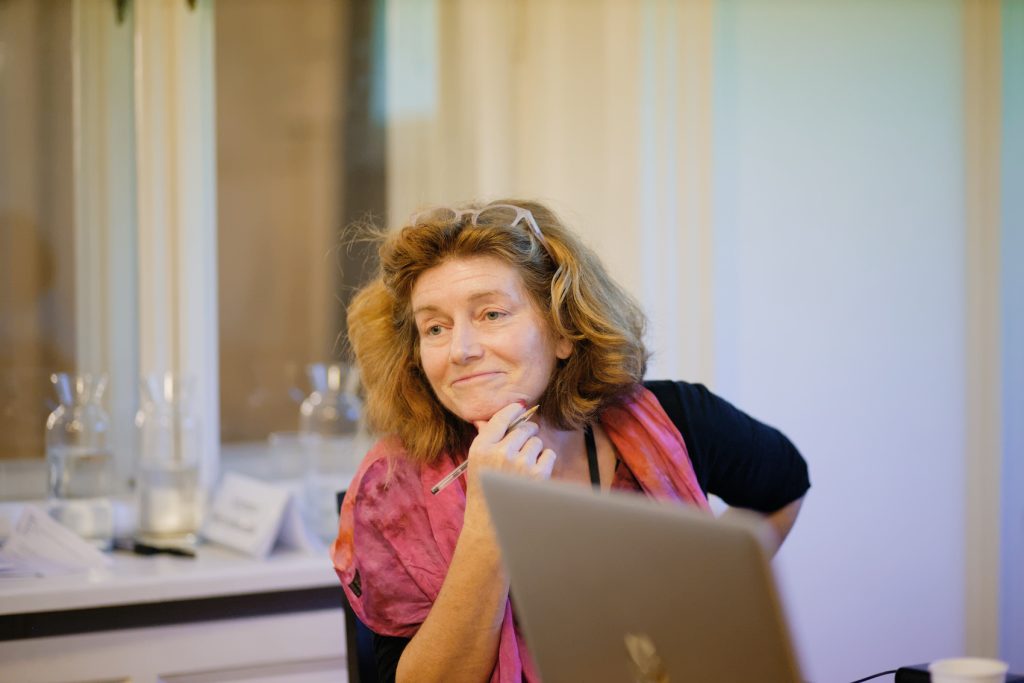
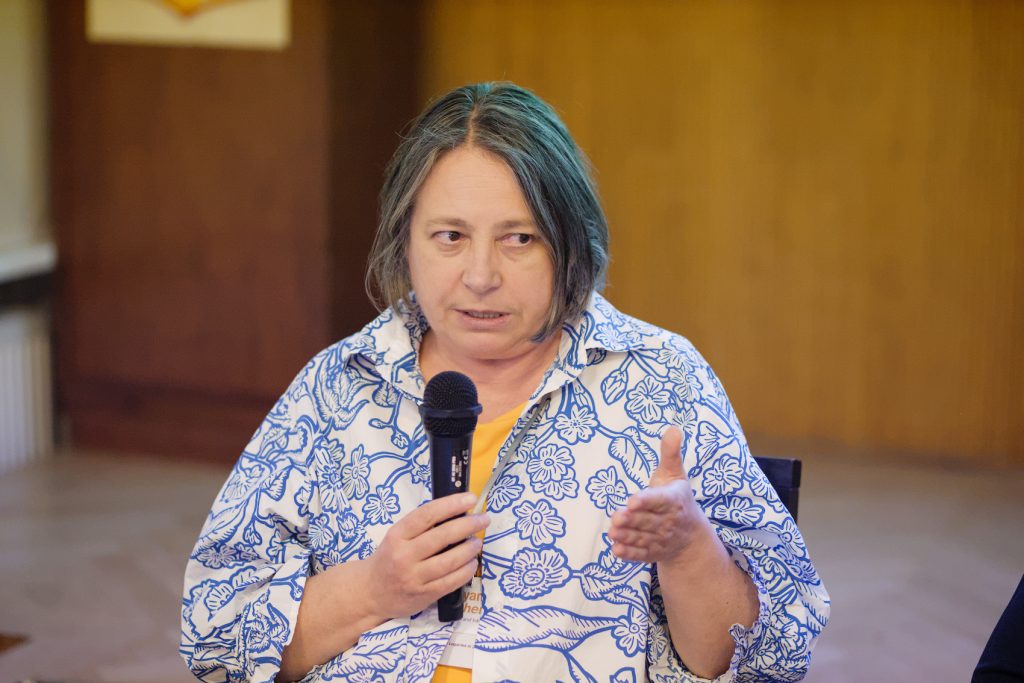
"Experiencing the Borders: The Long 1940s and Their Legacies in (Eastern) Europe" conference is part of the activities of the "War and Society in Central and Eastern Europe (20th-21st centuries)" Research Alliance (EURETES, EHESS-MESR), which brings together the Center for Russian, Caucasian, East-European and Central-Asian Studies at the School for Advanced Studies in Social Sciences (CERCEC-EHESS) in Paris, Institute of International Studies, Faculty of Social Sciences at Charles University in Prague, and the Center of Urban History.
Co-organizers of the conference:
- Center of Urban History, Lviv
- Center for Russian, Caucasian, East-European and Central-Asian Studies, School for Advanced Studies in Social Sciences (CERCEC-EHESS), Paris
- Institute of International Studies, Faculty of Social Sciences, Charles University, Prague
- Research Centre Ukraine / Max Weber Foundation, Lviv
Partners:
- Documenting Ukraine / Institute of Human Sciences, Vienna
- The Institute of Ethnology, Czech Academy of Sciences, Prague (ERC-Project MEMPOP)




Credits
Gallery: Mariia Urban