Dr. Natalia Otrishchenko Participated in the 10th Conference of the Memory Studies Association


24.08.2026
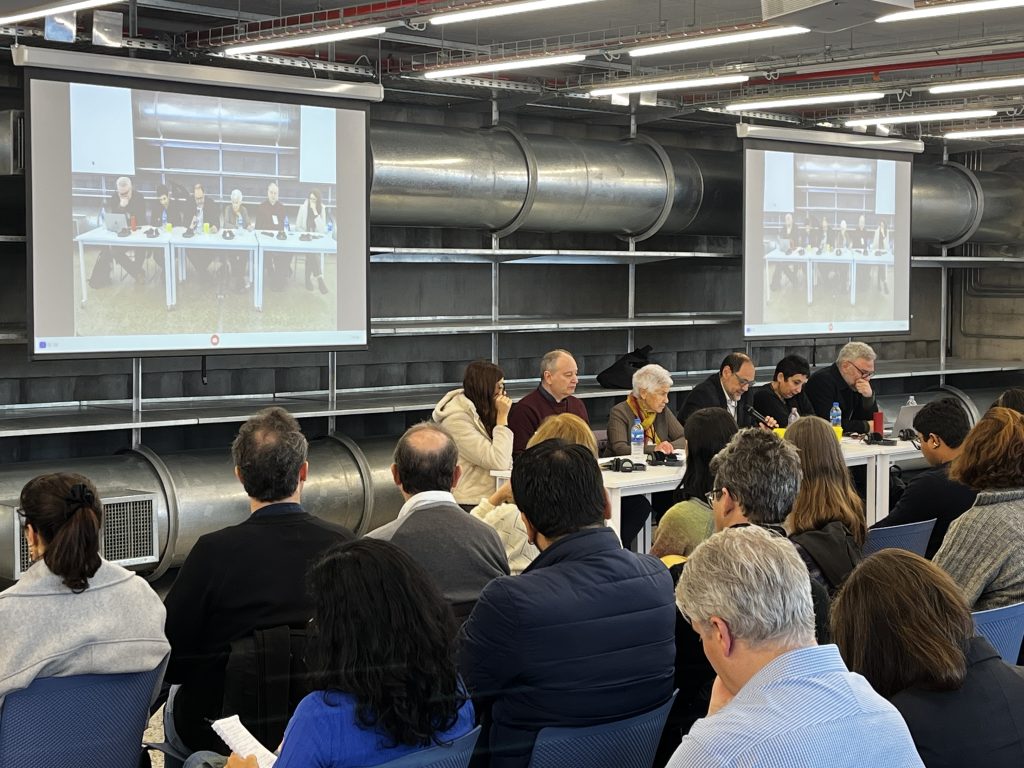
From July 28 to August 2, 2026, Natalia Otrishchenko participated in the 10th conference of the Memory Studies Association titled "Memory and Democracy", which took place at Torcuato Di Tella University in Buenos Aires and brought together over 900 participants.
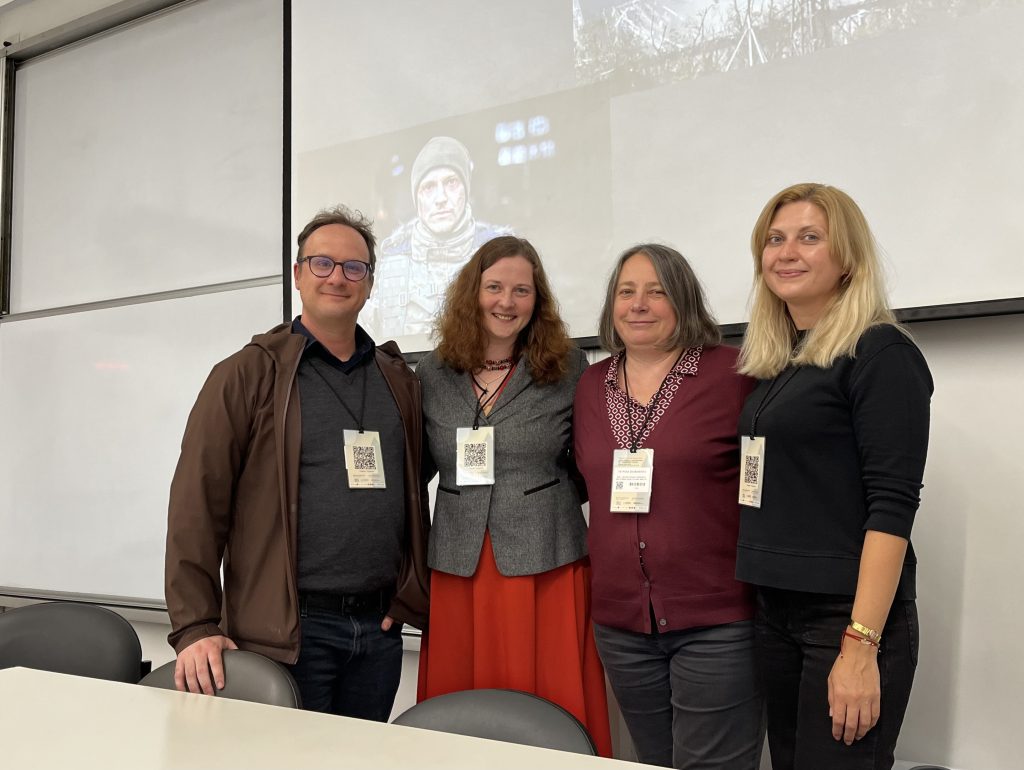
For this event, Dr. Natalia Otrishchenko, together with Jeffrey Stepnisky from Grant McEwan University, presented a panel titled Navigating Various Narratives and Timelines: Memory Institutions During the War. Tetyana Zhurzhenko from the Center for East European and International Studies in Berlin (ZOiS) and Oleksandra Zvyagina from the Center for Migration Research at the University of Warsaw also joined the panel with their presentations.
Natalia's presentation, Oral History Archive in a Threatened Present: Connecting the Past to Multiple Futures, focused on the creation of an archive based on interviews recorded as part of the initiative "24.02.22, 5 am: Testimonies from the War." In it, she argued that an archive focused on contemporary events—especially those related to mass violence—should be a space for ongoing dialogue and should be oriented toward the slow pace of collective memory-making, despite the pressures to accelerate. She presented her work in collaboration with the LivArch network, coordinated by the Herder Institute, specifically practices for involving communities in creating archives and using various digital tools to build sustainable infrastructures. Natalia was also invited to moderate the panel Russia's War on Ukraine: Memory as Resource and Resistance, whose presentations focused on practices of remembering the war by actors at various levels, from communities united by a shared experience of loss to international organizations.
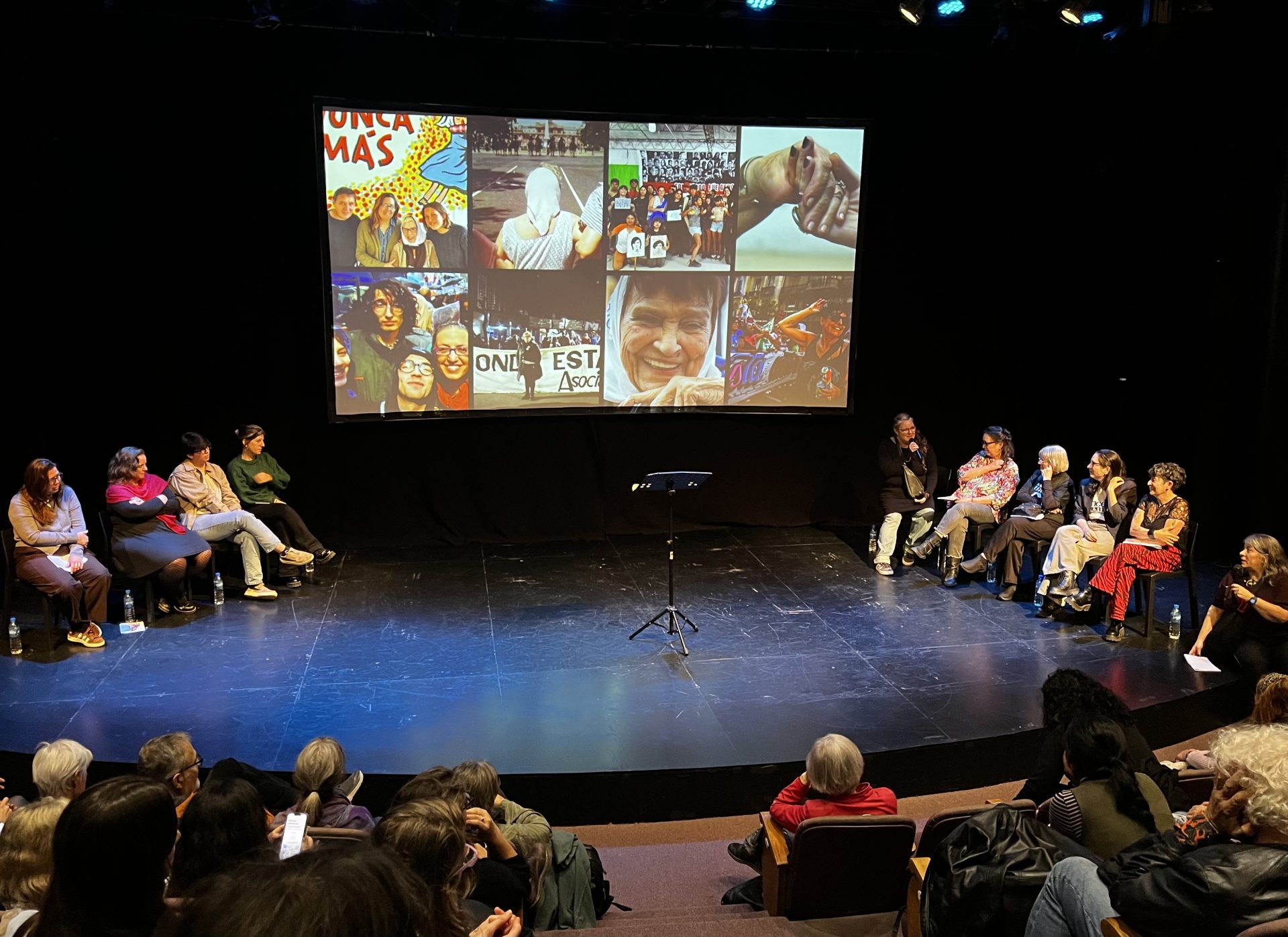
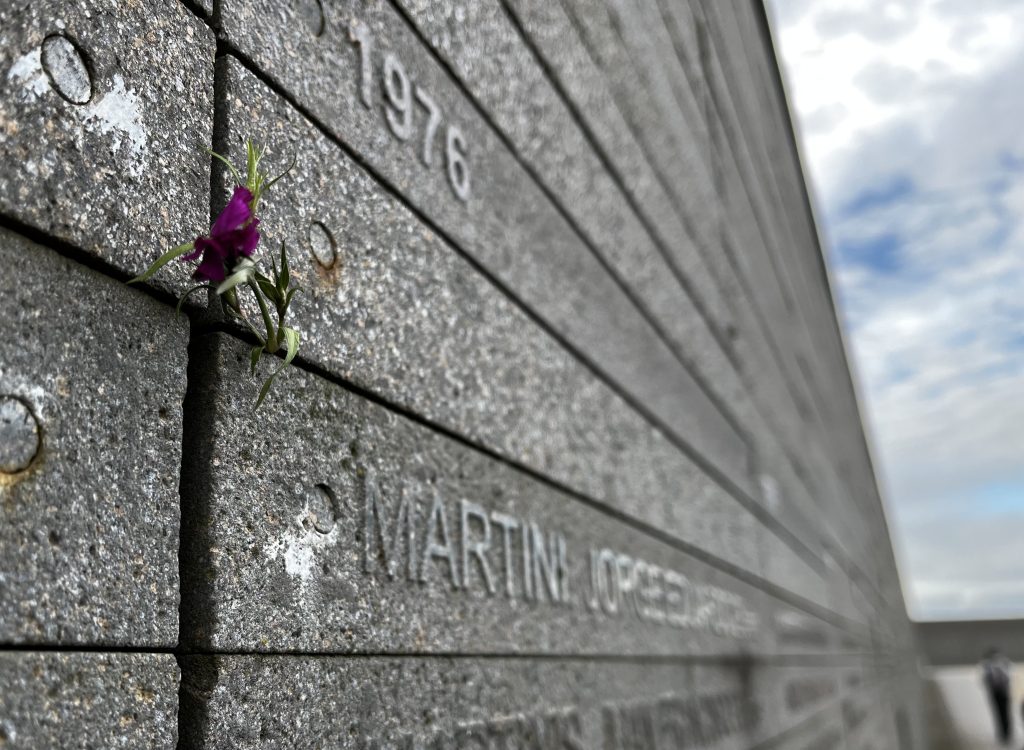
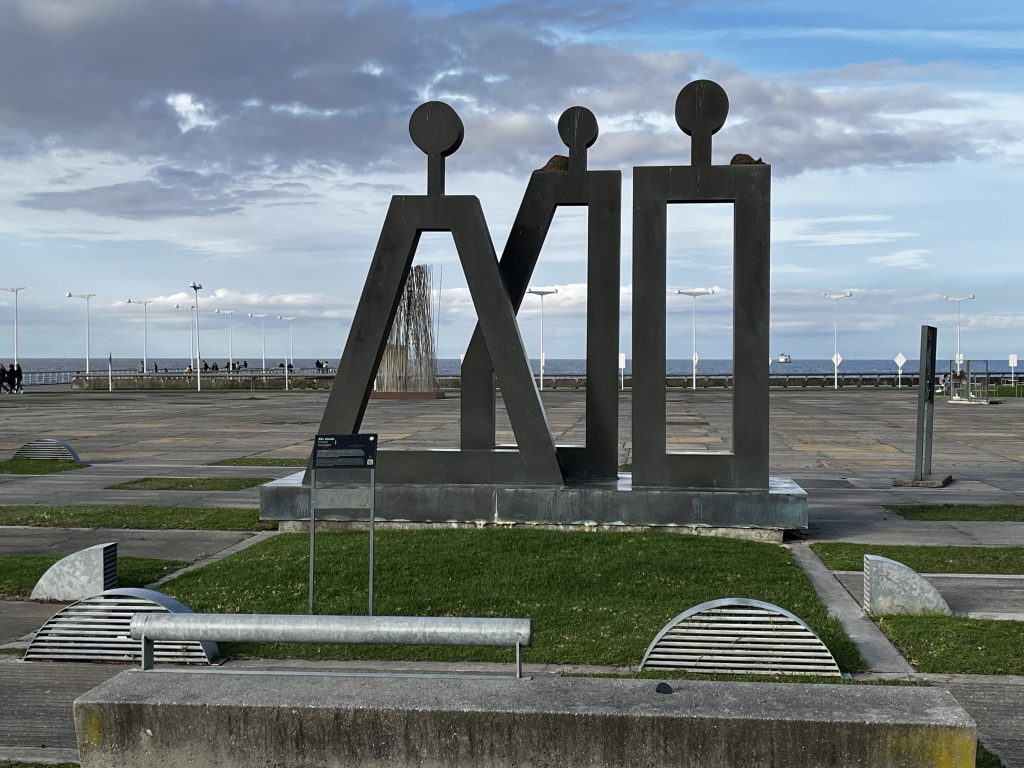
The conference program also included various formats: lectures, public discussions, film screenings, exhibitions, and visits to organizations that preserve the memory of the region's complex past—the Naval Mechanics School, which during the dictatorship of 1976–83 served as a center for imprisonment, torture, and murder, and the Park of Remembrance for the Disappeared. It concluded with a meeting with nine activists from Argentina's human rights movement (including representatives of the Mothers and Grandmothers of Plaza de Mayo) and a screening of Lucrecia Martel’s film Nuestra Tierra about the indigenous population's struggle for their right to land.
Images
Top and gallery: courtesy of Natalia Otrishchenko