Hospitable Sea, Hostile Shores? Disentangling Histories of Connections and Conflicts in the Black Sea Region


20.05.2026
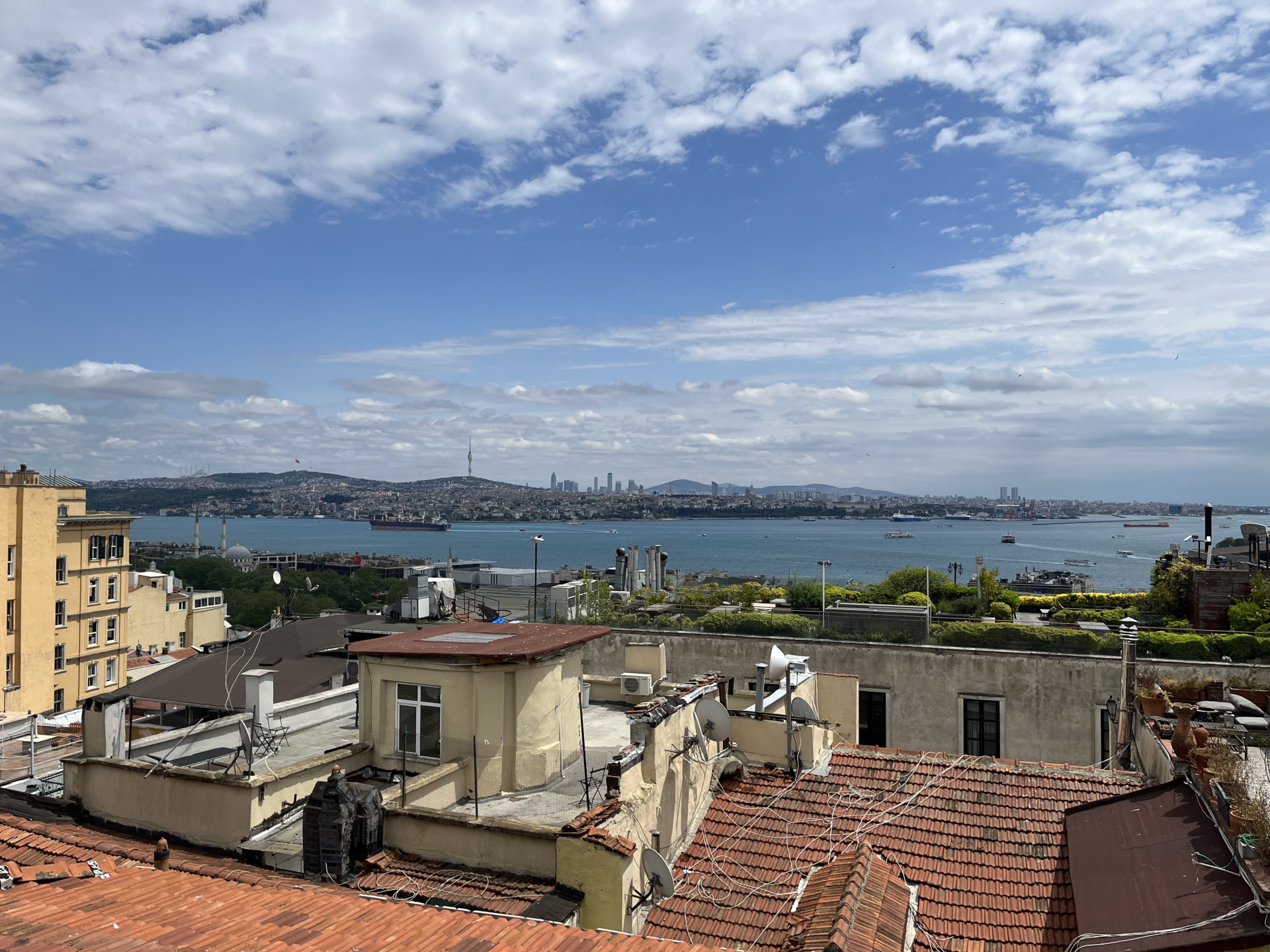
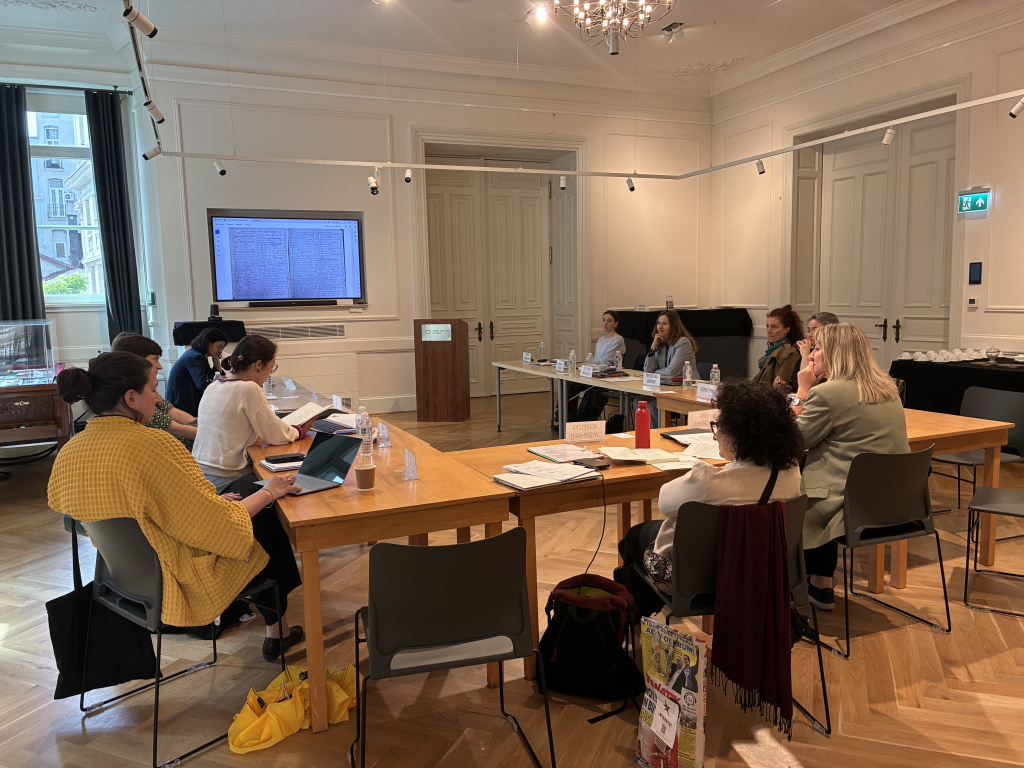
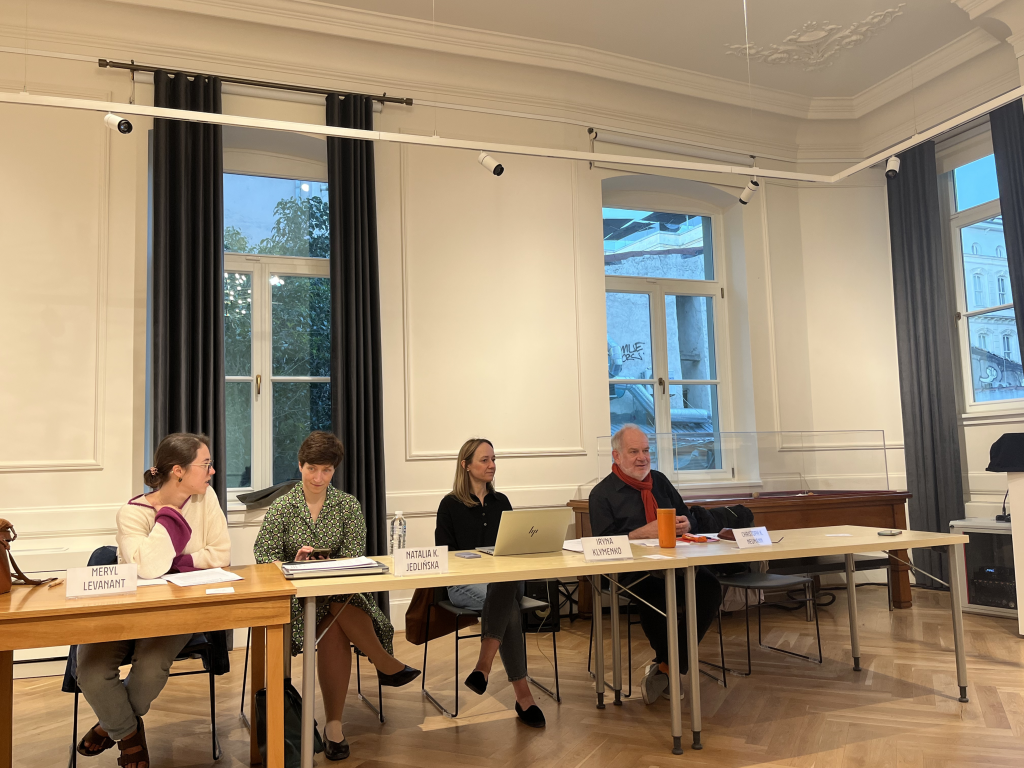
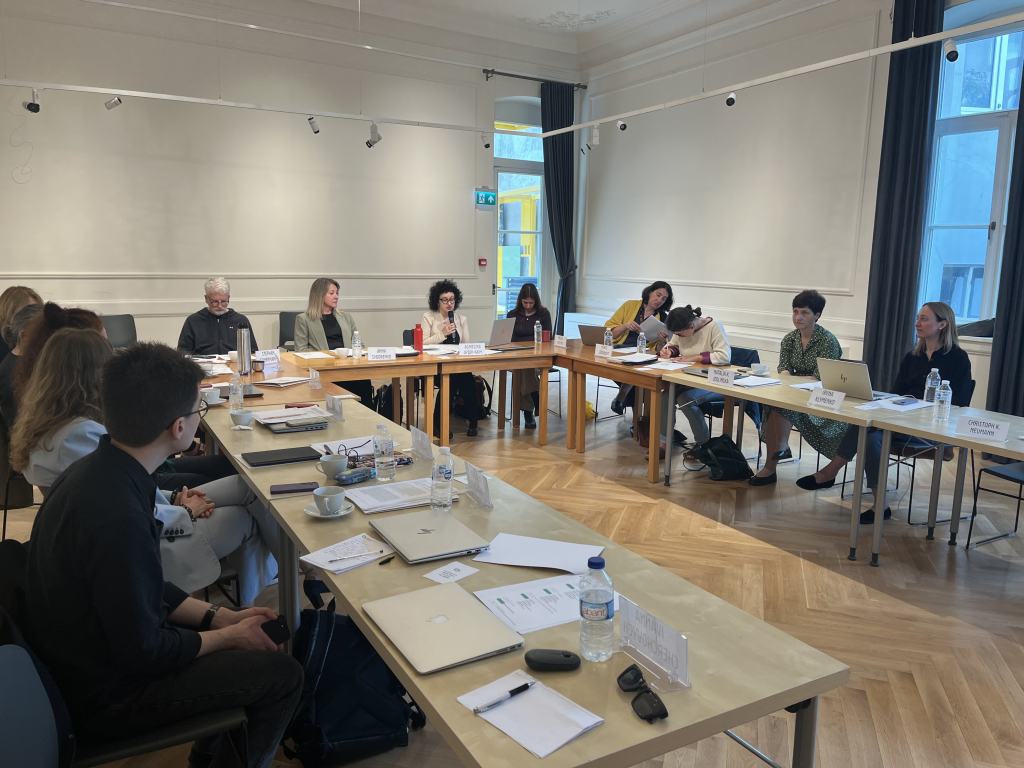
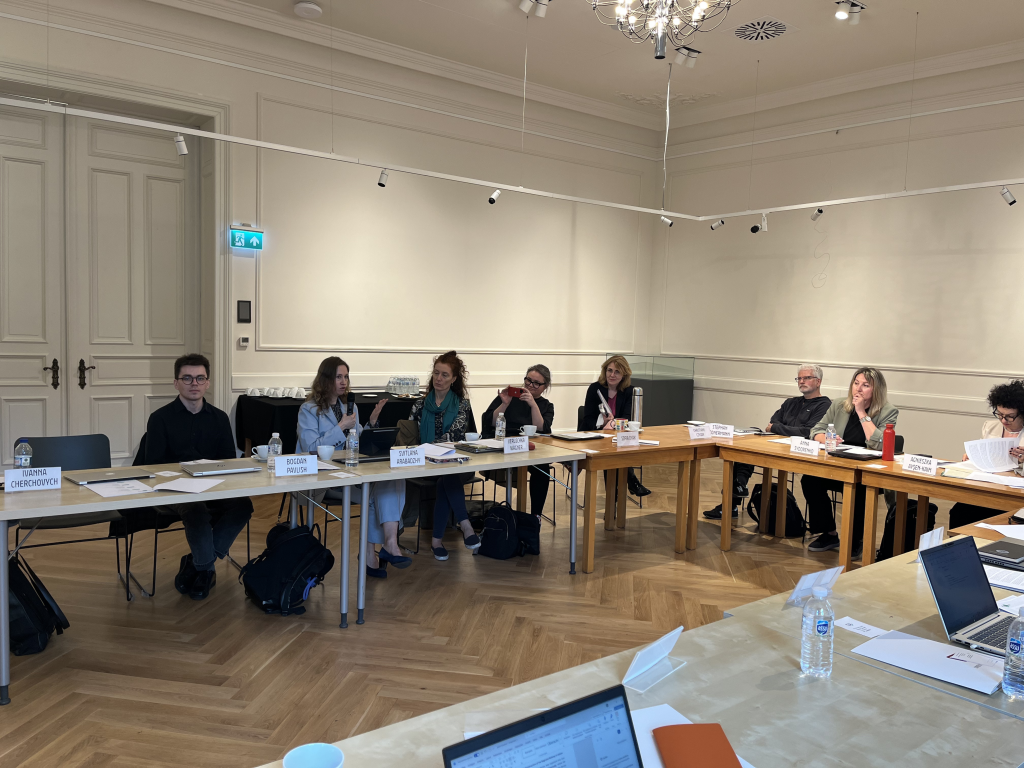
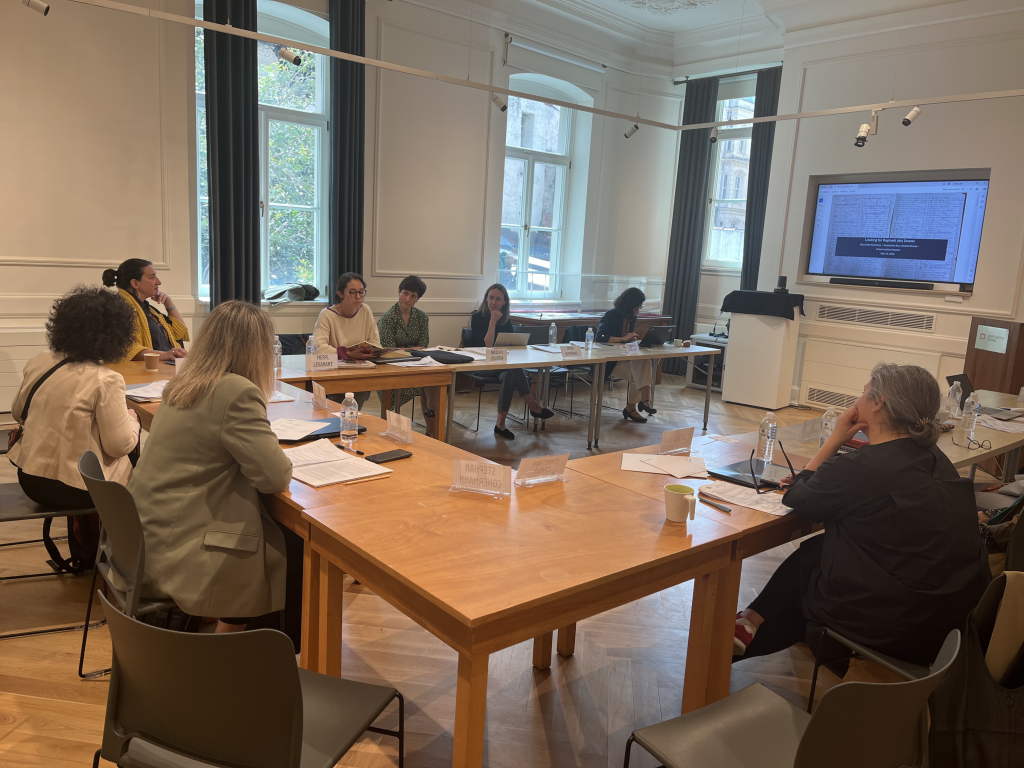
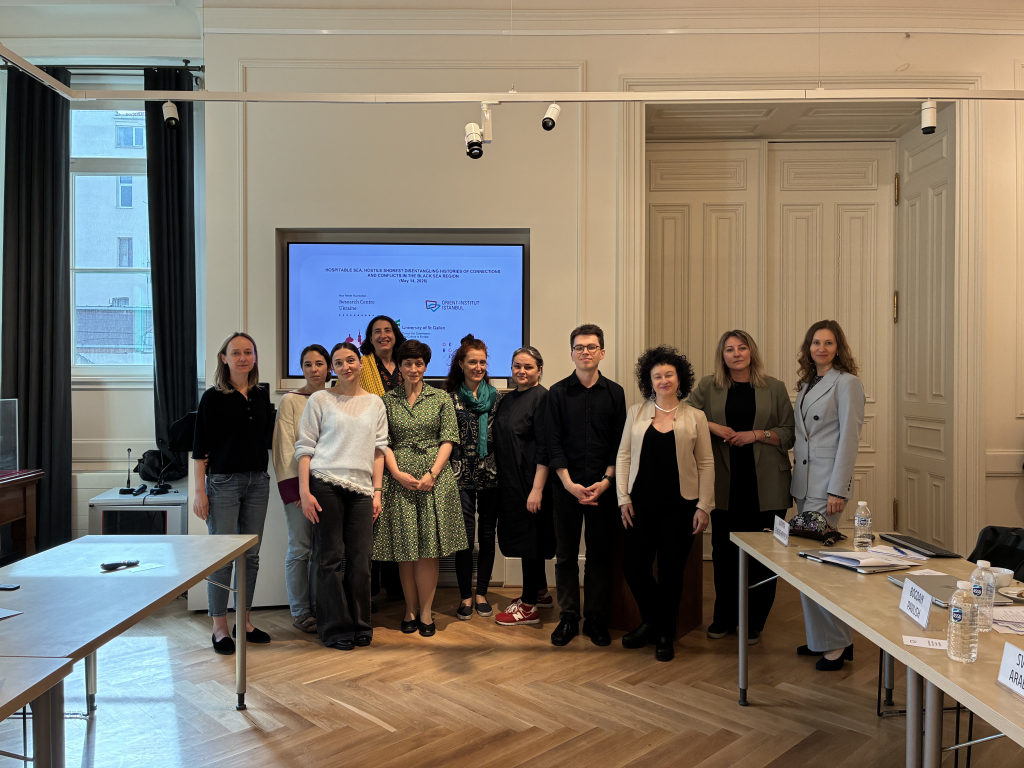
On May 14, 2026, Orient-Institut Istanbul / Max Weber Foundation hosted a workshop titled Hospitable Sea, Hostile Shores? Disentangling Histories of Connections and Conflicts in the Black Sea Region. The event brought together researchers from Turkey, Ukraine, Greece, Poland, France, Israel, and Denmark whose academic interests focus on the Black Sea region to discuss their own research archives and sources, share methodologies for processing and analyzing them, and explore opportunities for their use in university programs. The workshop aimed to serve as a platform for the exchange of materials among researchers, as well as visions of their potential for teaching about the region.
Although the Black Sea has traditionally remained in the shadow of the Mediterranean, it has also begun to attract the attention of scholars. In addition to Russia’s annexation of Crimea in 2014 and the ongoing aggressive war against Ukraine, this interest is driven by post-national and trans-imperial trends in historiography. These trends encourage historians to look beyond the boundaries of individual nation-states and empires, without taking regional divisions and their (neo)colonial consequences for granted. From this perspective, the Black Sea offers a promising and elegant solution to the problem of scales and levels of analysis. On the one hand, it transcends the boundaries of any single state, a feature characteristic of most of its history. On the other hand, the focus on the Black Sea region prompts a critical rethinking of established regional categories, such as Eastern Europe or the Middle East. For rethinking the history of Eastern Europe, the study of the northern coast—linked to the steppe regions of Eastern Europe by several major rivers (the Danube, Dnieper, and Don) and many smaller ones—is particularly promising. Analyzing this region as one of the key sites of transcontinental exchanges and conflicts allows us to see not only imperial rivalries or security issues, but also the stories of individual men and women, whose personal and collective experiences ultimately make up its history.
This workshop brought together researchers working on the Black Sea—a key unit of analysis—and with sources that shed light on the perspectives of individuals, communities, and minorities caught in the maelstrom of economic, environmental, and imperial contradictions in this strategic waterway from the 17th to the early 20th century. The workshop served as a venue for exchanging ideas and findings that portray this region as a place of intersections, enabling close contacts between vastly different societies and cultures alongside wars, slavery, and colonialism.
Participants:
- Svitlana Arabadzhy, University of Oslo
- Agnieszka Ayşen Kaim, Polish Academy of Sciences
- Masha Cerovic, CERCEC
- Ivanna Cherchovych, Center for Urban History
- Christiane Czygan, Orient Institute Istanbul / Max Weber Foundation
- Paulina Dominik, Tel Aviv University
- Sofia Dyak, Center for Urban History
- Iryna Klymenko, Research Centre Ukraine / Max Weber Foundation
- Natalia Królikowska-Jedlińska, University of Warsaw
- Meryl Lavenant, Sorbonne University
- Bogdan Pavlish, Research Centre Ukraine / Max Weber Foundation
- Anna Sydorenko, Institute for Mediterranean Studies
- Veruschka Wagner, Bonn Center for Dependency and Slavery Studies
The workshop is a part of the ongoing programs of the two institutions:
- REESOURCES: Rethinking Eastern Europe educational platform of the Center for Urban History, in particular, the project Digital Resources for Teaching the Black Sea Region supported by the Center for Governance and Culture in Europe at the University of St. Gallen.
- Rethinking Areas: Black Sea Region research area at the Research Centre Ukraine / Max Weber Foundation funded by the German Federal Ministry of Research, Technology and Space (BMFTR).
REESOURCES offers resources designed to decentralize curricula on the history of Eastern Europe by diversifying the sources used in teaching, to spark discussions about established metanarratives, and to foster new approaches to teaching and studying the region.
Co-orginizers:
- Center for Urban History (Lviv, Ukraine)
- Research Centre Ukraine / Max Weber Foundation (Lviv, Ukraine)
- Orient-Institut Istanbul / Max Weber Foundation (Istanbul, Turkey)
- Center for Russian, Caucasian, Eastern European, and Central Asian Studies (Paris, France)
- Center for Governance and Culture in Europe, University of St. Gallen (St. Gallen, Switzerland)