The Janowska Camp: The (In)visible Space Of Tragedy


29.8.2026, 11:00
Lviv
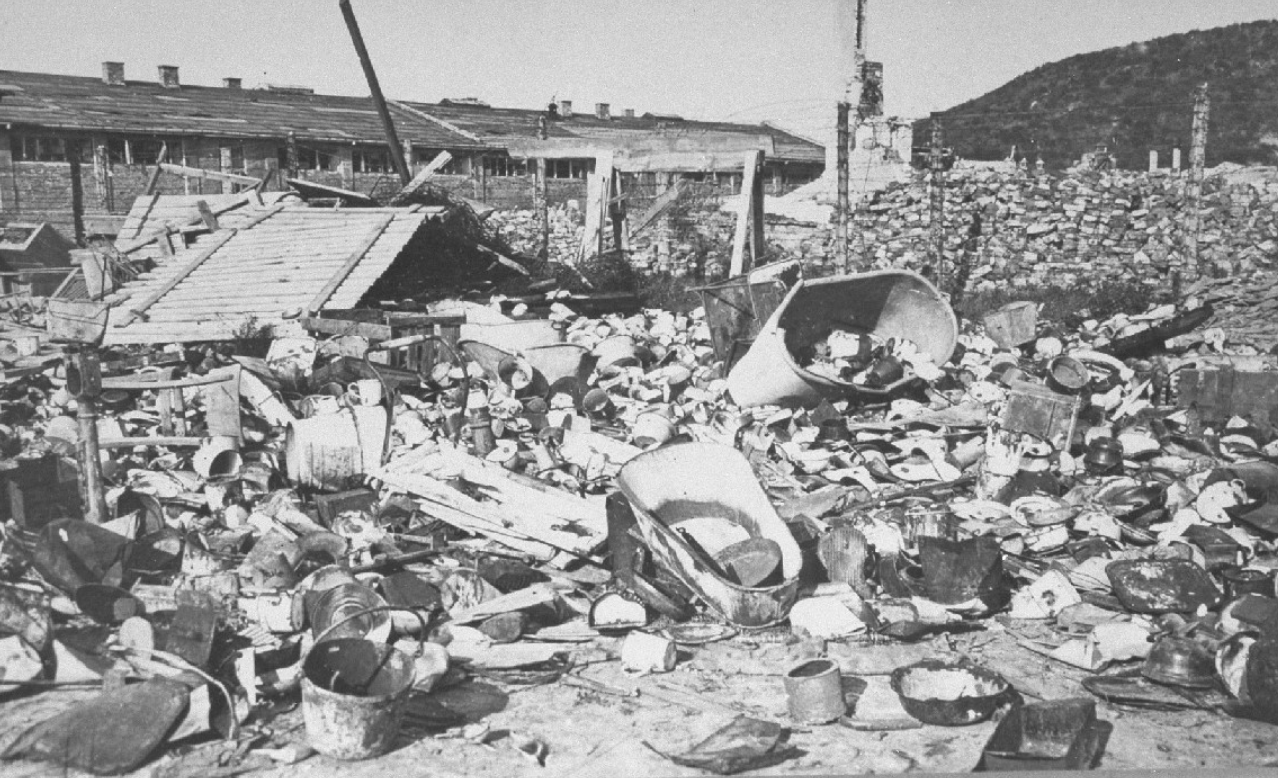
The site of the Janowska camp is a place with a complex history and a complex legacy of (non-)remembrance. Established in the autumn of 1941 and closed down in the summer of 1944 on Yanivska Street (now — Shevchenko Street), this camp served both as a penal labour camp and a transit camp. And although there were never any gas chambers or crematoria on the camp grounds, as there were in other places of forced detention during the Nazi occupation, the Janowska camp became a death camp for over 80,000 Jews. But unlike other death camps, the Janowska camp has never been turned into a museum; its site is not marked, and only a few modest memorials serve as a reminder of the tragedy.
During our walk, we will discuss the history of the Janowska camp and the surrounding area, those who ran it and those who were imprisoned there, dignity and remembrance, as well as the landscapes and buildings. We will try to understand the camp's boundaries and layout, and reflect on its complex history, the unorganized space, and our place within it as contemporary residents.
Duration: around 3 hours.
To participate in the City walk, please, register via the form.

Inna Zolotar
Center for Urban HistoryCoordinator of public history programs at the Center. She develops, organizes, and leads tours of Lviv and the surrounding region. Her main areas of interest are the “intersecting paths” of various groups and societies in Galicia, their (in)visibility in the built environment, and the history of conflicts between different communities.
The City walk will take place as part of the public program "From Place to Place: Stories from Scattered Archives," which is part of the "REHERIT 2.0: Common Responsibility for Shared Heritage" project. The "REHERIT 2.0" project is implemented by the Center for Urban History and the Center for Regional Development of the PPV Economic Development Agency with financial support from the European Union.
This public program and exhibition were created with the financial support of the European Union. The content is the sole responsibility of the partners of the "REHERIT 2.0" project and does not necessarily reflect the views of the European Union.
Credits
Cover Image: Prisoners' personal belongings after the camp was dismantled / United States Holocaust Memorial Museum