From Place To Place: Stories From Scattered Archives


August-October 2026
Center for Urban History, Lviv
Archives are often imagined as a collection of fixed objects, lying sealed away in boxes or on shelves, and waiting. However, an archive is not static. Materials are added to the archive, selected, organized, issued, removed, or even destroyed. Occasionally these processes take years, decades, or even centuries. Such a long duration creates the impression that the materials in the archive are simply "sitting there." At the same time, thinking about movement is helpful for understanding the nature and policies of an archive. After all, an archive can move, travel, get lost, be forgotten, or be (re)discovered. Even the very process of preserving it through digitization is a form of movement: a transition from one medium to another. What if the archive were to come down from the shelf altogether and set out in search of people's stories where they still live—in attics, in family albums, in the memories of neighbors who might recall names that no one has uttered in decades? And what if it also brought back stories scattered all over the world?
Architect and researcher Natalia Romik poses similar questions about the interconnectedness of movement and archiving in her work. Having built the Nomadic Shtetl Archive, she traveled through the towns of southeastern Poland in 2016 to examine the paradox of "present absence."
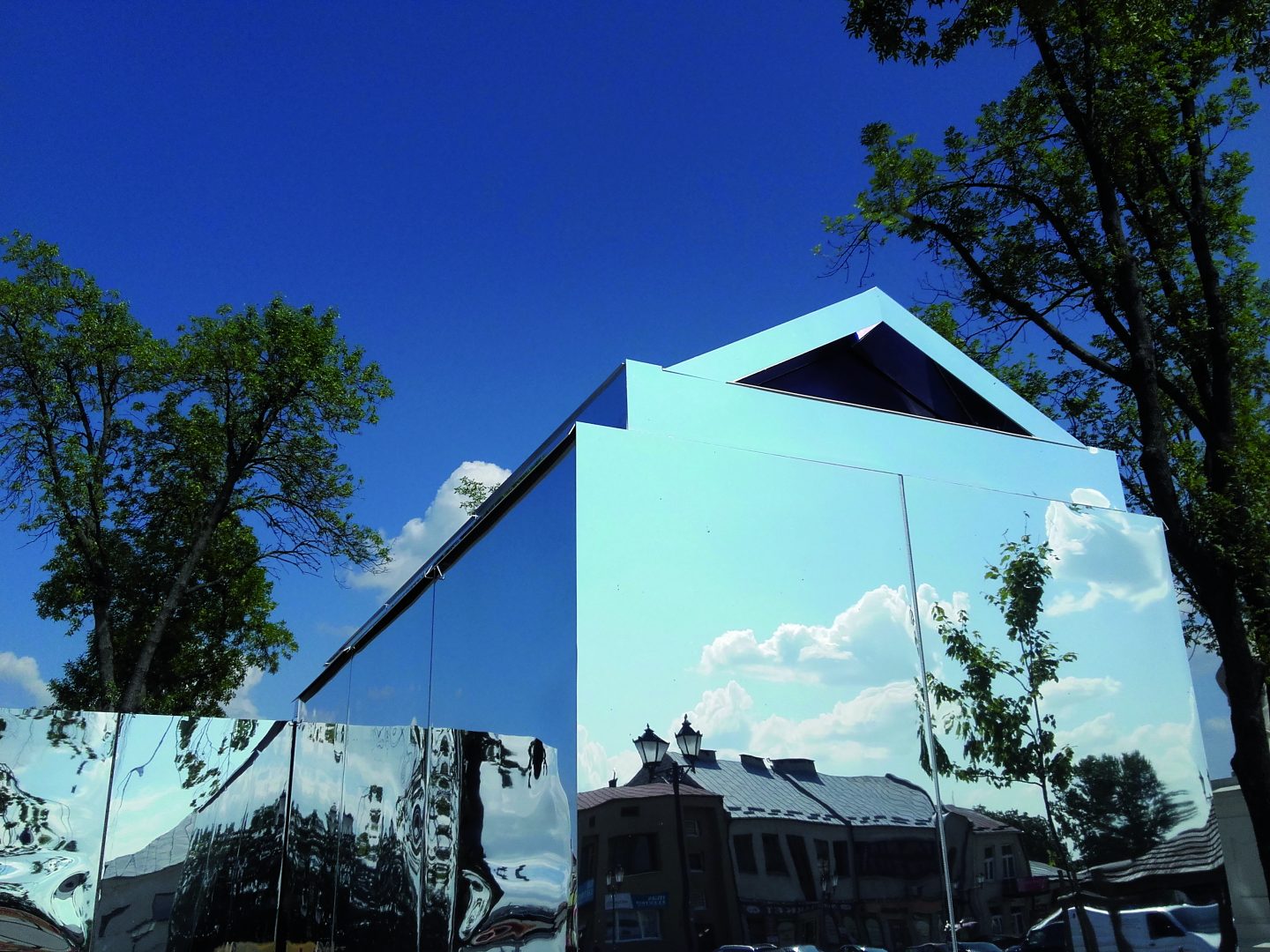
Inspired by Jewish tradition, the Nomadic Shtetl Archive can be compared to a shamash, a helper or attendant. The word also refers to the ninth candle in a hanukkiah, which is used to light the other candles. Similarly, the Archive helps to illuminate stories that have been forgotten, obscured, or left untold. Its architectural form draws on the silhouettes of synagogues from the early shtetls of the Polish–Lithuanian Commonwealth. The wooden walls and roof are covered with lightweight mirrors. Their reflective surfaces allow the structure to visually dissolve into its surroundings, emphasizing the importance of the stories exhibited inside.
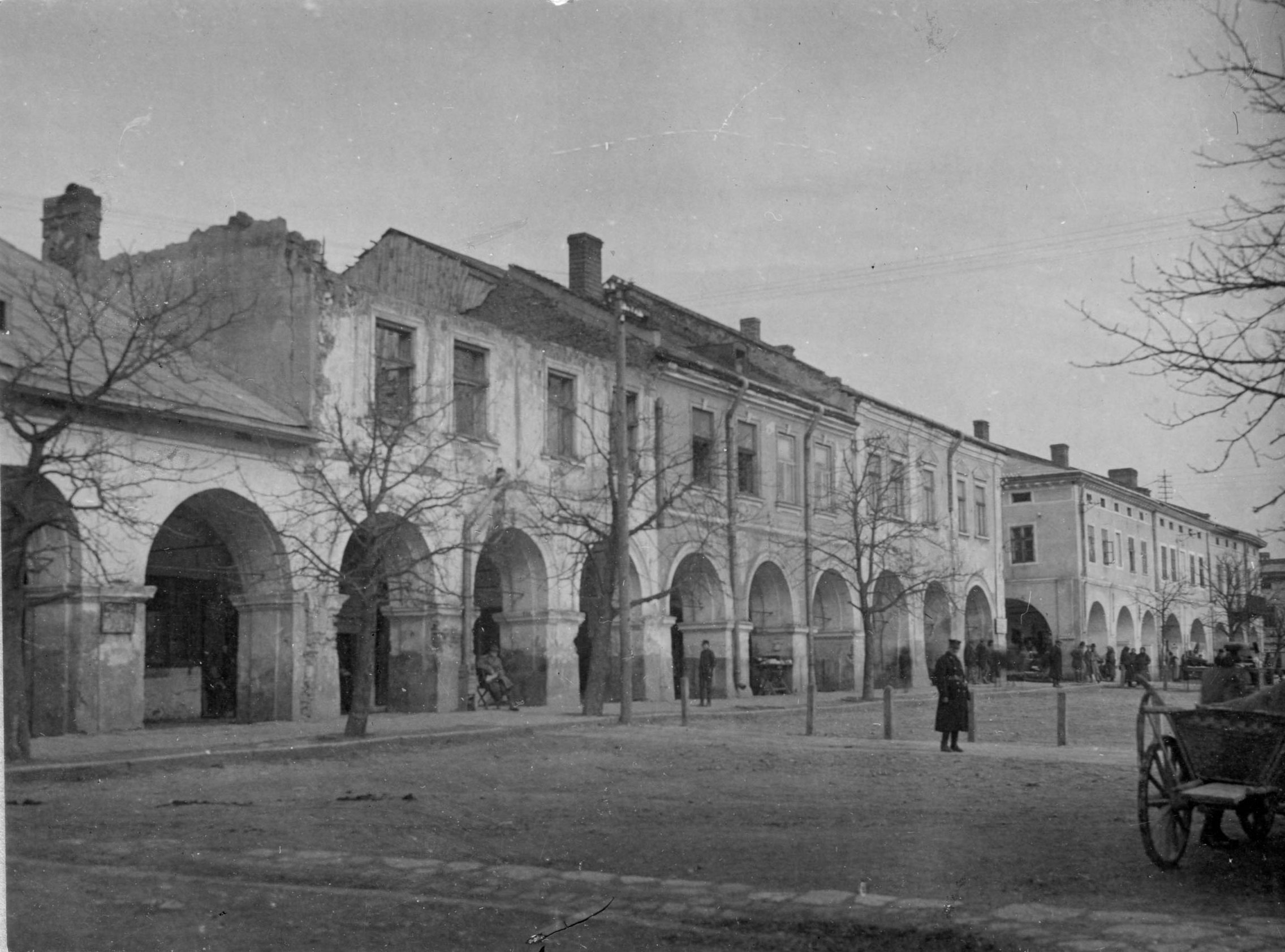
In late August 2026, the Nomadic Archive will cross the Polish-Ukrainian border and continue its journey through Lviv and five settlements that are simultaneously שטעטל (shtetls), miasteczka, and small towns — Busk, Zhovkva, Zbarazh, Pidvolochysk, and Volochysk.
The histories of cities and small towns in Ukraine tell of everyday multicultural interactions. Wars, both past and present, divide the lives of millions of people into "before" and "after." What can the archives tell us about these life trajectories? We have all inherited suitcases full of scattered stories: those who survived, left, stayed, arrived, settled. Layered experiences coexist in family albums, rescued documents, objects of unknown origin, and untold experiences.
The Nomadic Archive serves as an invitation to weave together a polyphonic melody of personal experiences. Can it be found in kitchen conversations, in the silence of family members, or in office gossip? What can the objects on the bedroom shelves, the interiors of stairwells, or the materials found at a recycling center tell us? What do we know about the people in the house across the street? What are their stories?
The cube, an archival credenza, and the Nomadic Archive will serve as an active background for conversations between resident-researchers and researcher-residents, while the public program and exhibition will form a dynamic dialogue, a space for listening, and a preservation laboratory.
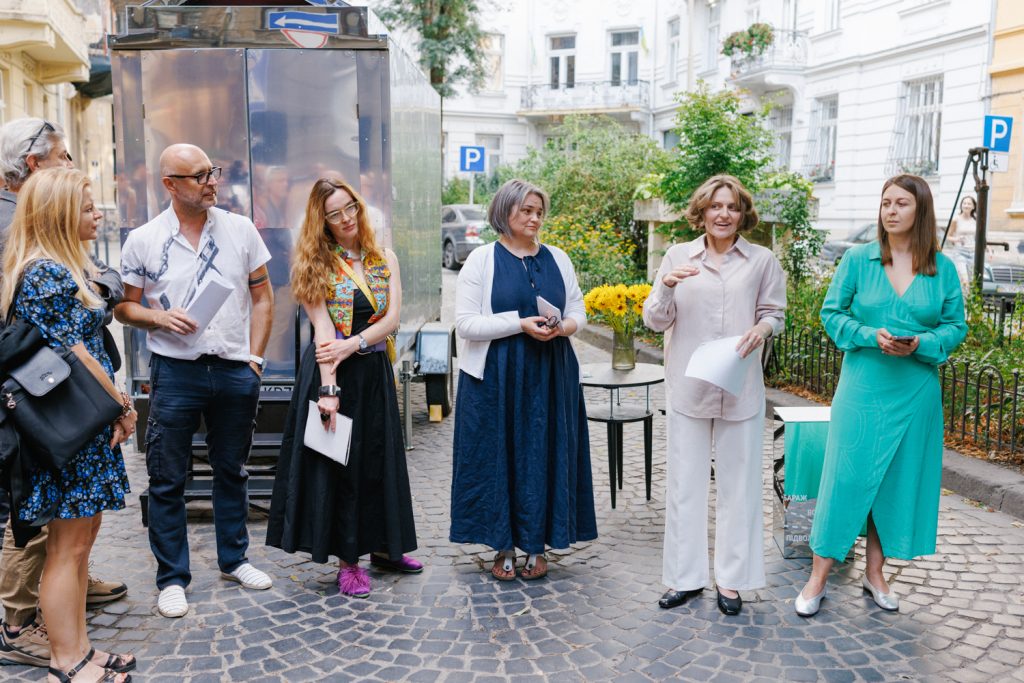
Opening of the exhibition and public program at 6 Bohomoltsa St.
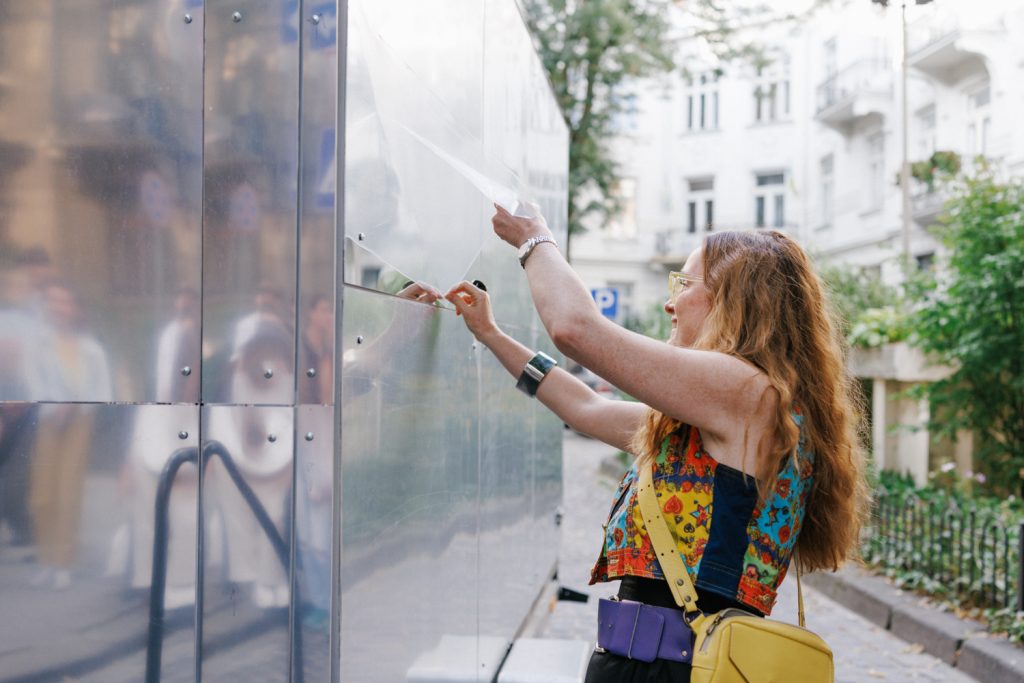
Opening of the exhibition and public program at 6 Bohomoltsa St.
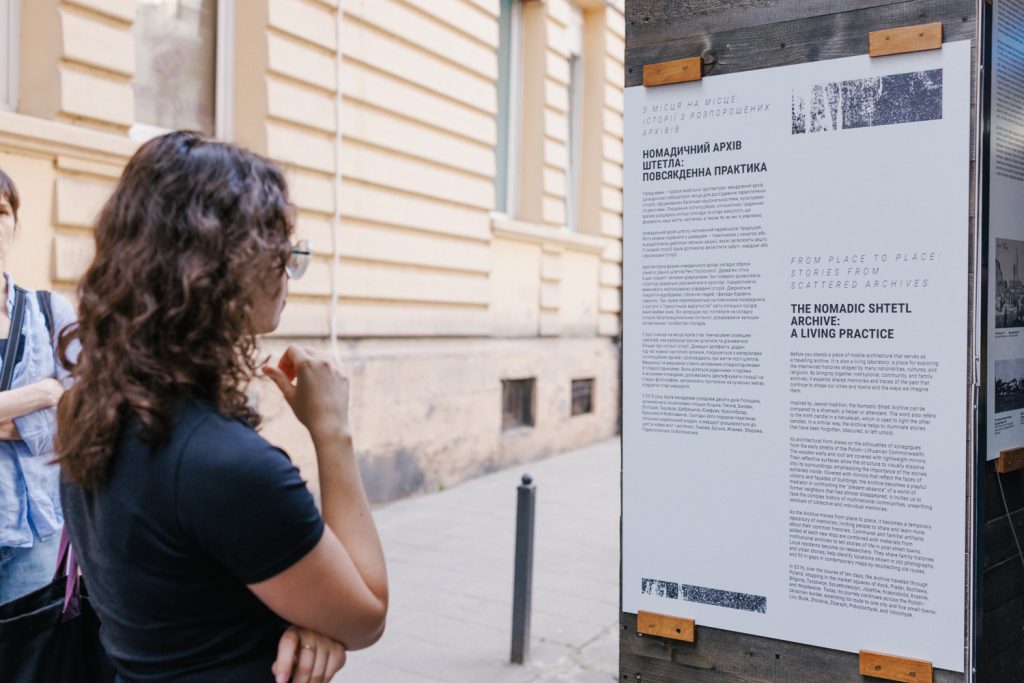
Opening of the exhibition and public program at 6 Bohomoltsa St.
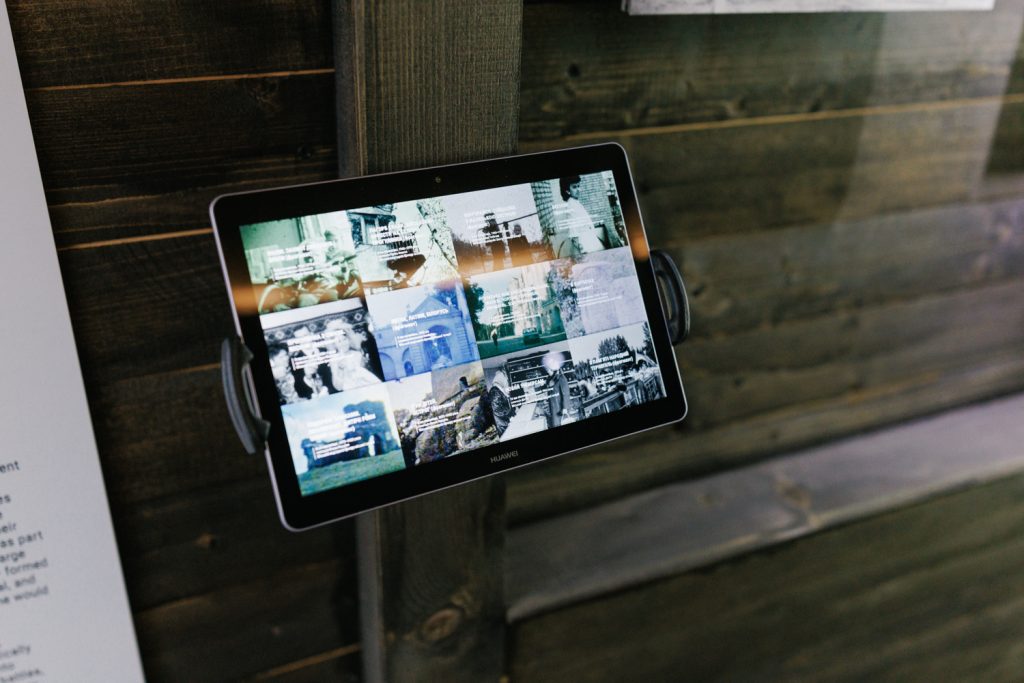
Clips from amateur films from the Urban Media Archive collections inside the mobile archive
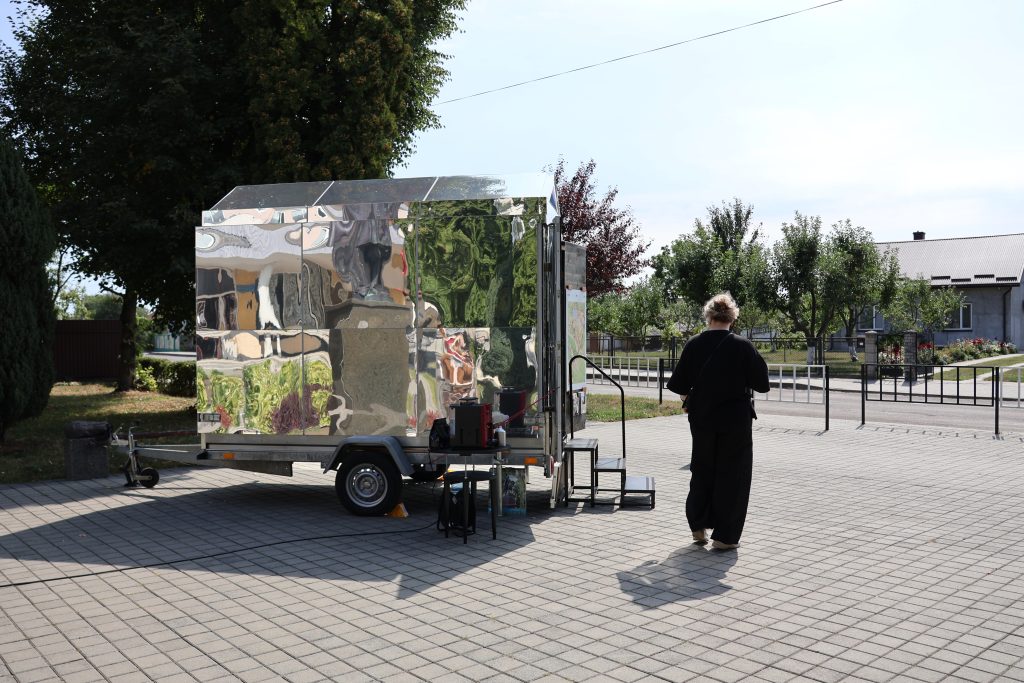
Mobile archive in Busk
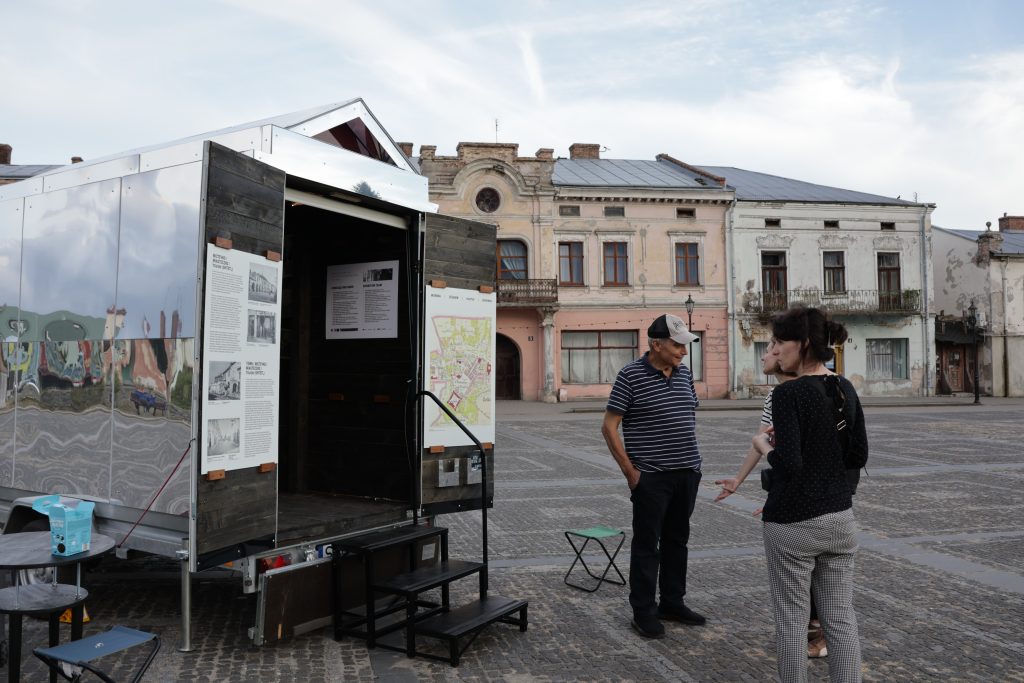
Mobile archive in Zhovkva
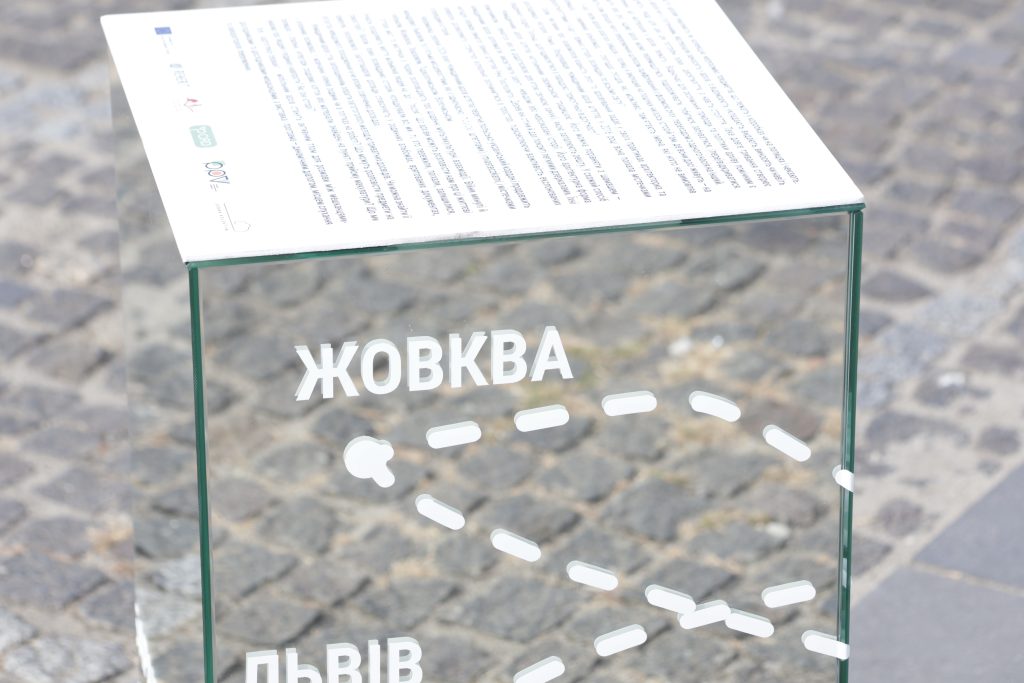
Mobile archive in Zhovkva
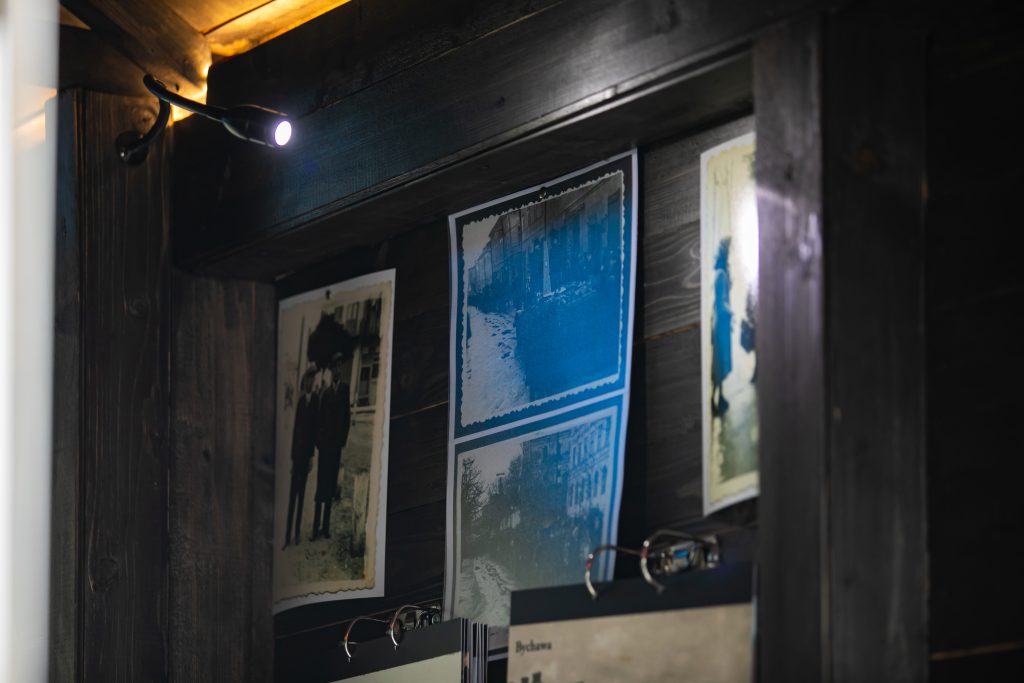
Inside the mobile archive
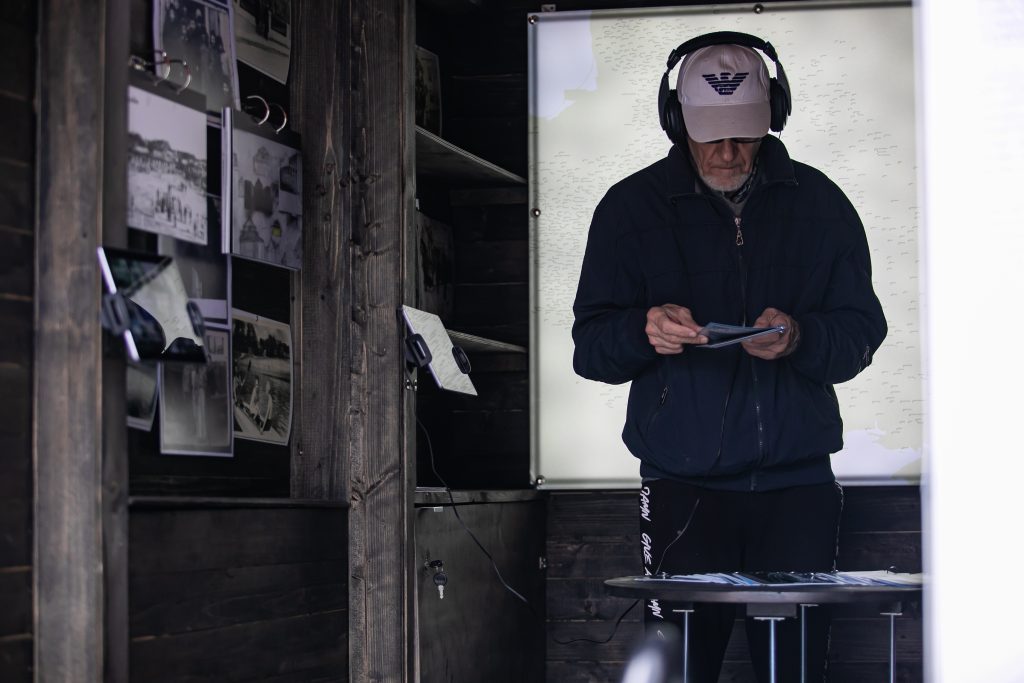
Inside the mobile archive
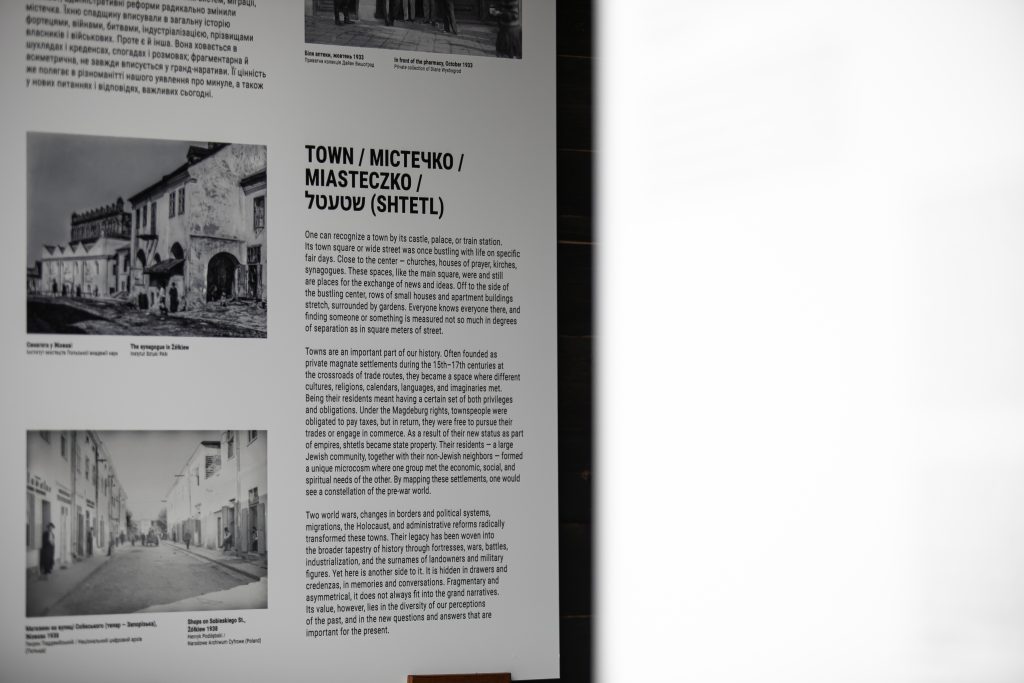
Inside the mobile archive
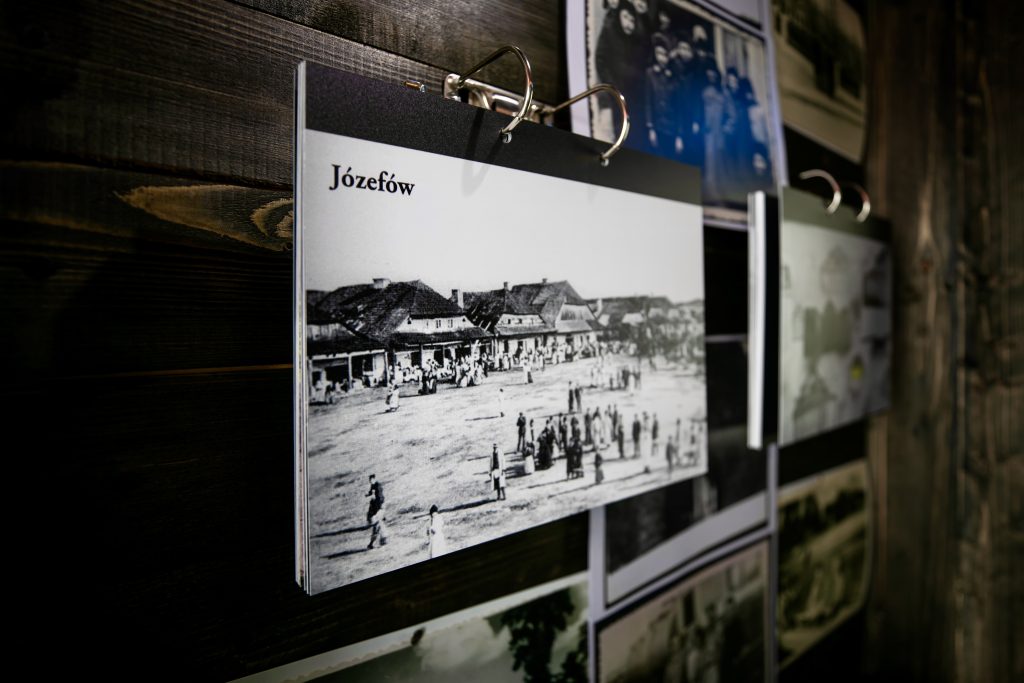
Inside the mobile archive
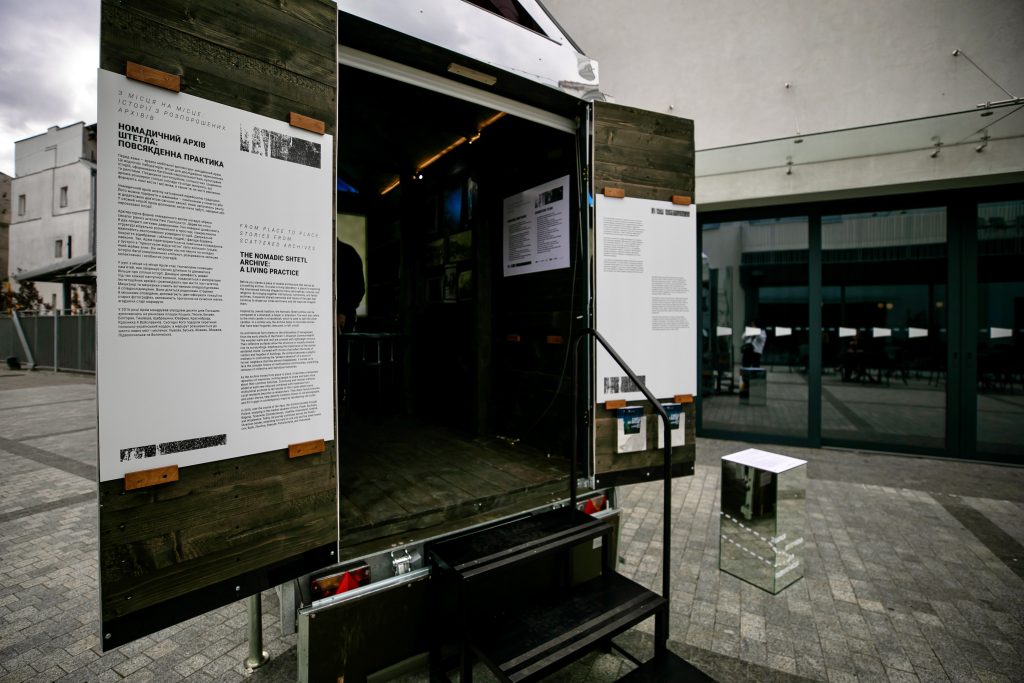
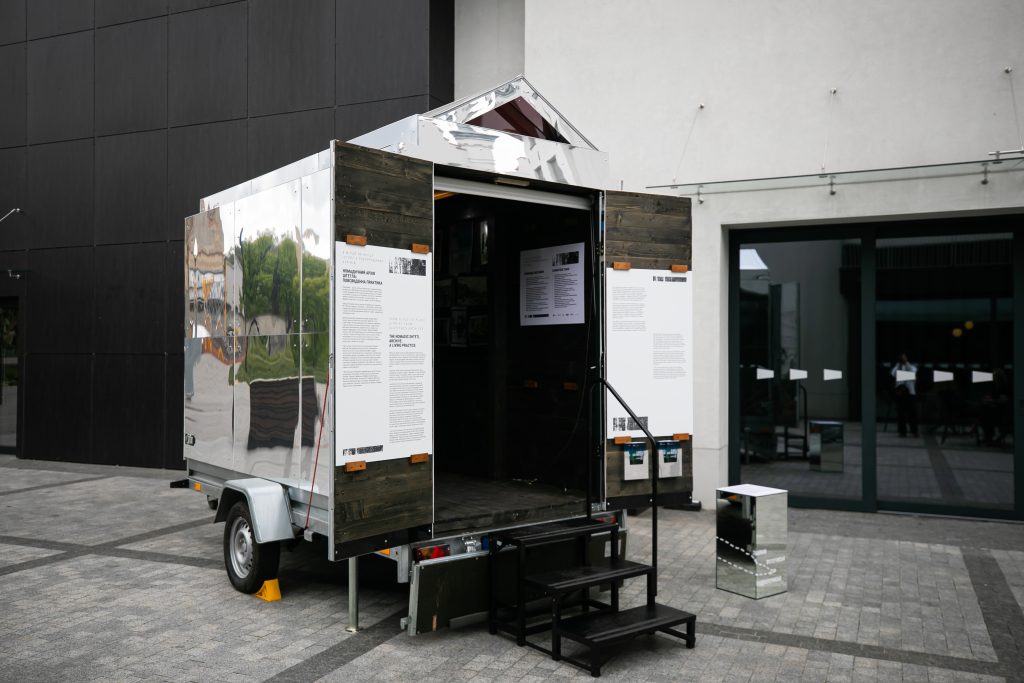
Mobile archive at the Jam Factory Art Center
EXHIBITION TEAM
- Liana Bliharska, Natalia Romik, curators
- Sebastian Kucharuk and Natalia Romik, exhibition architects
- Viktoria Panas, producing
- Sofia Dyak, Maryana Mazurak, consulting
- Liana Bliharska, Natalia Romik, Inna Zolotar, text authors
- Oksana Avramenko, Liana Bliharska, Inna Zolotar, Anastasiya Kholyavka, Valentyna Shevchenko, work with audiovisual archival sources
- Yelyzaveta Bobrova, communications support
- Maria Mykytenko, Piotr Yakovenko, graphic design
- Sofia Nazaruk, logistics support
- Yulia Kulish, Vitalii Pavliuk, translation
- Oleksandr Dmytriiev, Tetiana Dutko, Anastasia Pendrak, technical support
- Yaryna Paniv, Oksana Rolina, financial support
- Nazar Tserna, architect of the “Card Index Cabinet” installation; Marta Buryak, consulting
- Yevhen Chervonyi (Metamuseum), Aga Szreder, PALIY, Jakub Łysiuk, technical support
The public program adn exhibition "From Place to Place: Stories from Scattered Archives" are part of the "REHERIT 2.0: Common Responsibility for Shared Heritage" project. The "REHERIT 2.0" project is implemented by the Center for Urban History and the Center for Regional Development of the PPV Economic Development Agency with financial support from the European Union. This exhibition and public program were created with the financial support of the European Union. The content is the sole responsibility of the partners of the "REHERIT 2.0" project and does not necessarily reflect the views of the European Union.







Credits
Gallery: Iryna Sereda, Maria Urban, Sofia Nazaruk