Kairos, Chronos, Ouroboros: Disentangling Time during the War


1-7.7.2026
Center for Urban History, Lviv
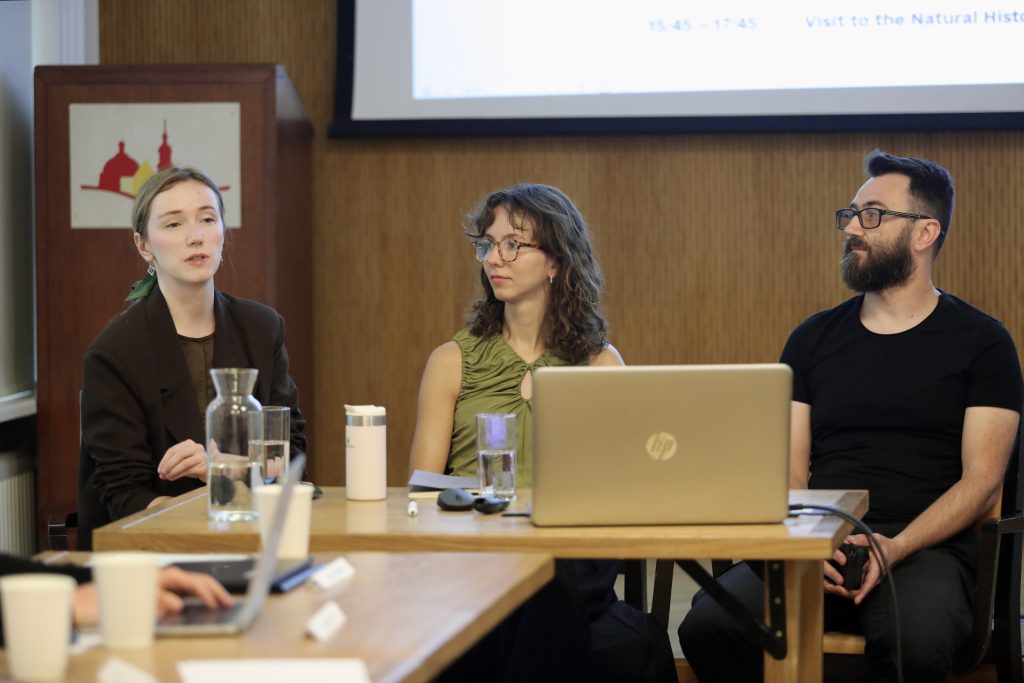
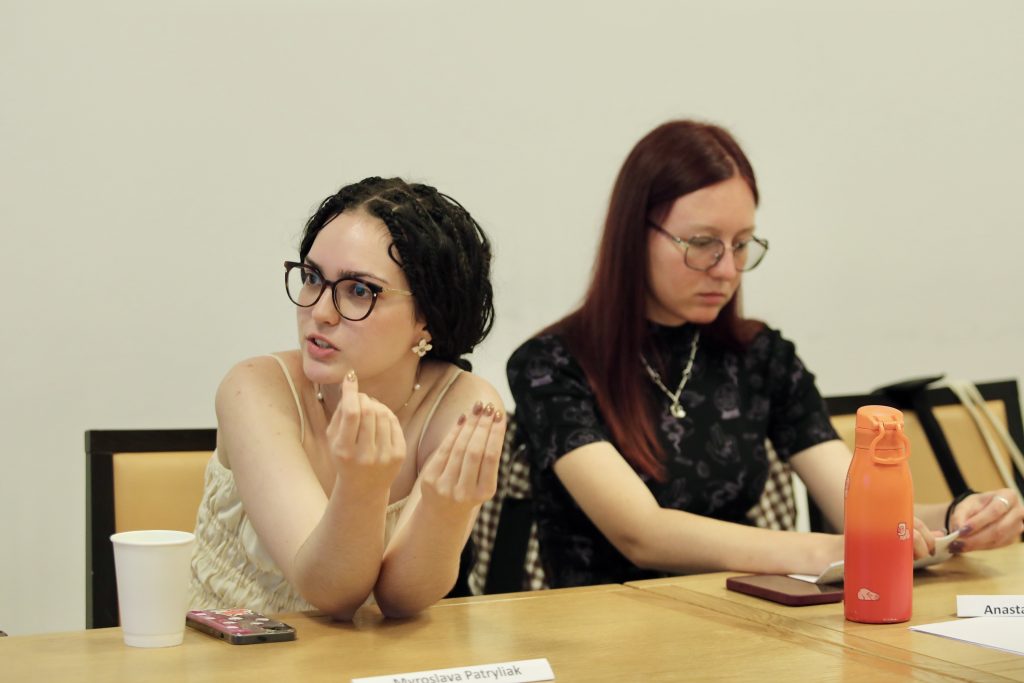
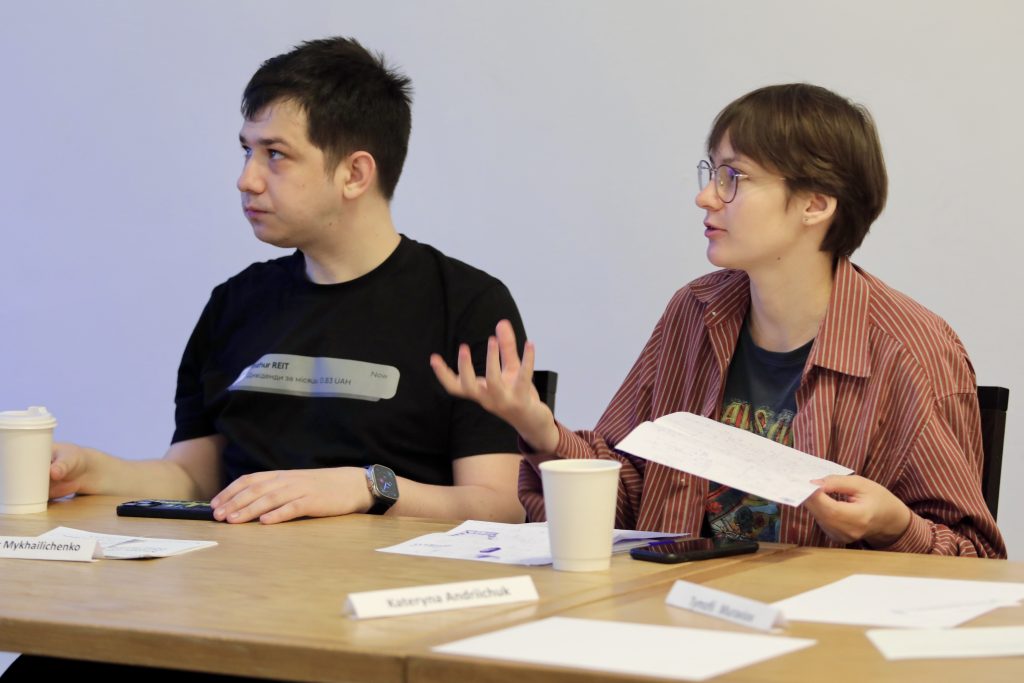
Time is one of the most fundamental categories of human experience, and in wartime, the relationship with it is reevaluated. Violence creates situations of rupture, when large-scale destruction and displacement make it impossible to restore continuity with the past, and the threatened and condensed present radically alters the possibilities for planning and imagining the future. Among the issues for joint discussion at the summer school would be: people's relation to time during protracted uncertainty, ways of connecting to the past and anticipating of the future within "uncanny present", dealing with temporal deceleration and acceleration, the reinterpretation of past wars and conflicts from the perspective of the present war, as well as long-term work with the consequences of loss and destruction, and the search for solutions for post-war recovery. Through the metaphors of kairos as a moment of change, chronos as continuity, and ouroboros as a cycle, we invite reflections on temporal structures and the experience of time during war and in the post-war period. An important question that will also guide our conversations at the summer school is how to navigate temporal tensions when simultaneously creating sources, archiving them, and reflecting on them to generate new knowledge about the region in conditions of ongoing violence.
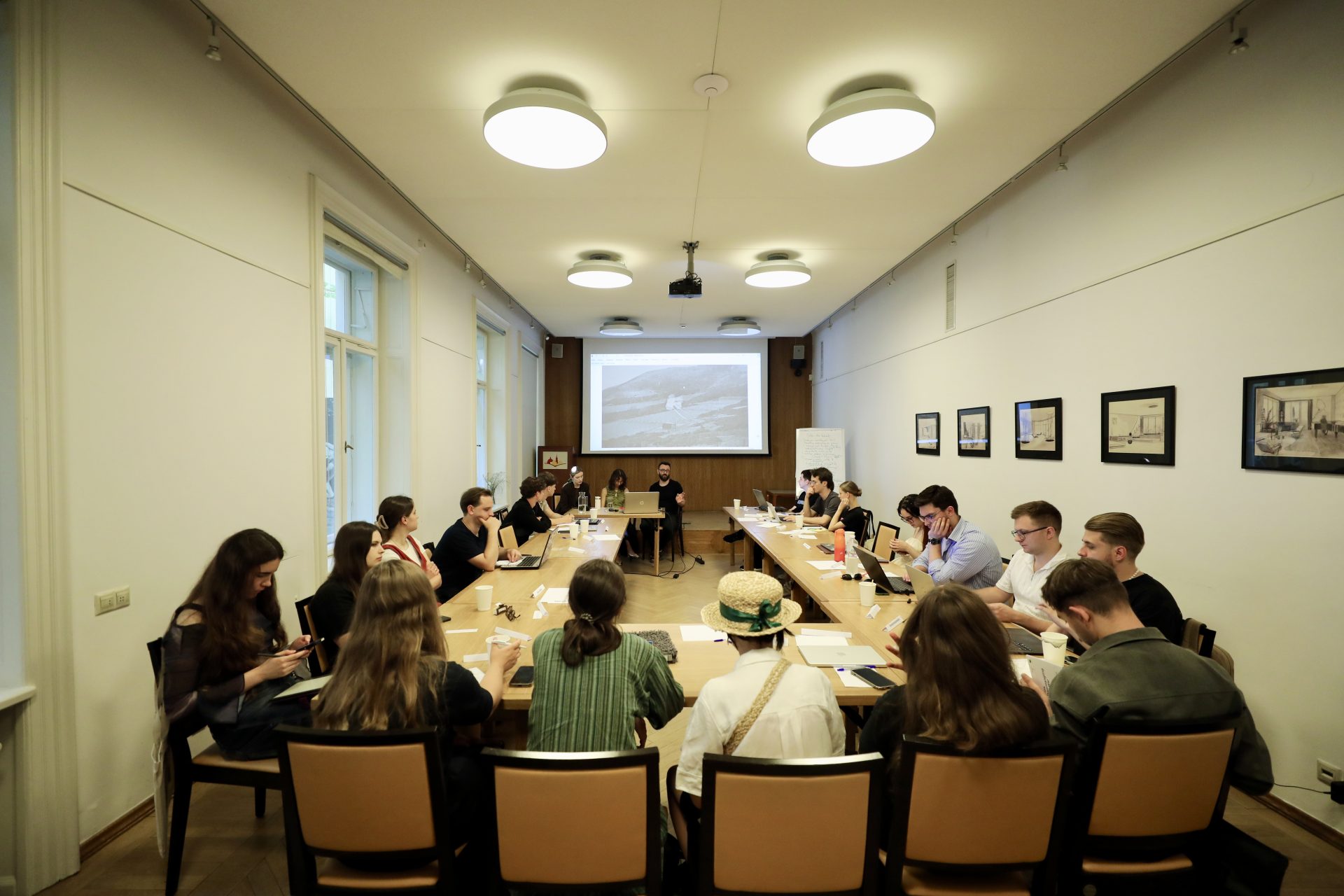
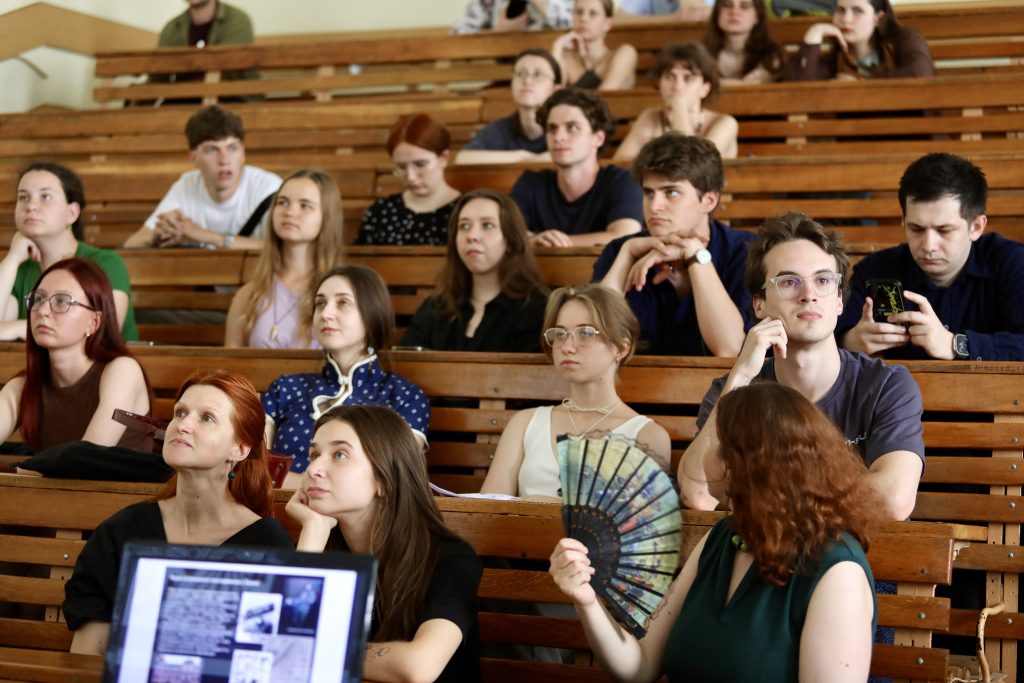
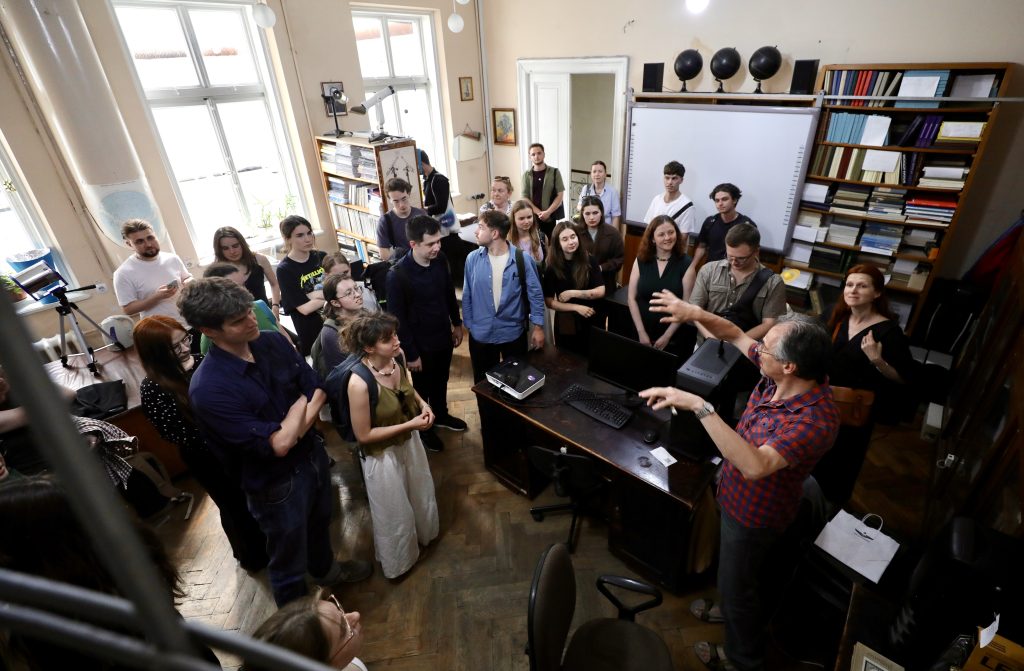
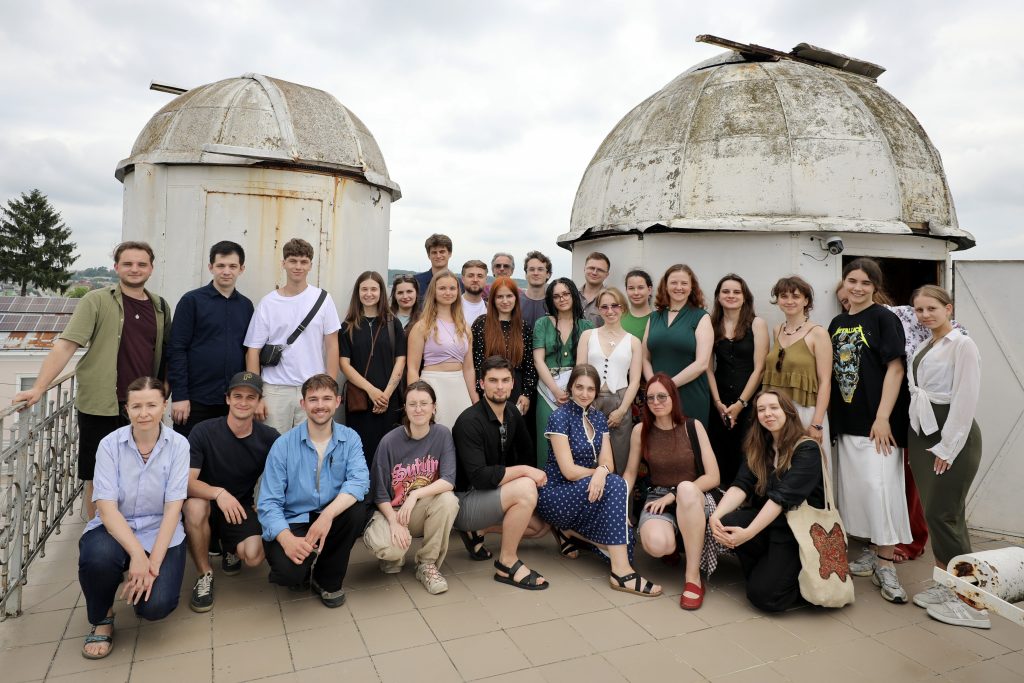
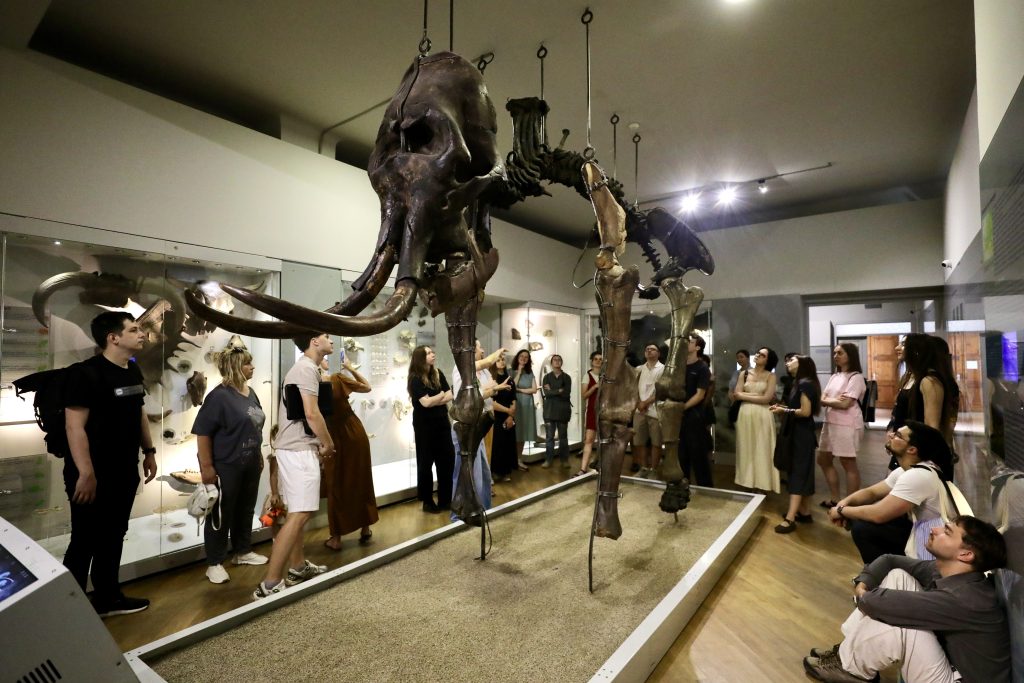
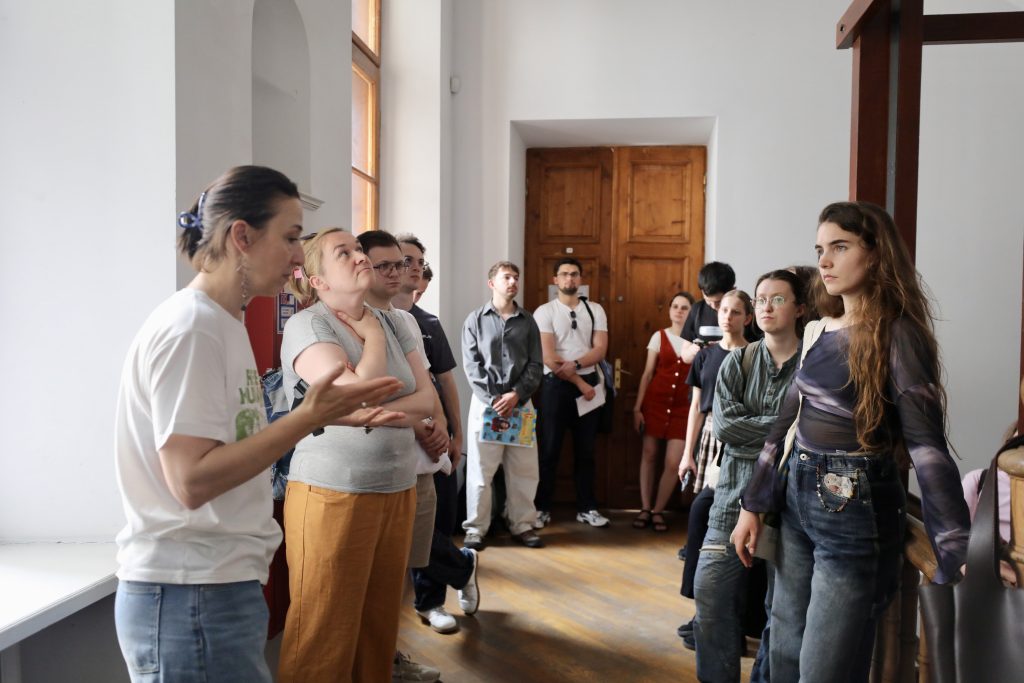
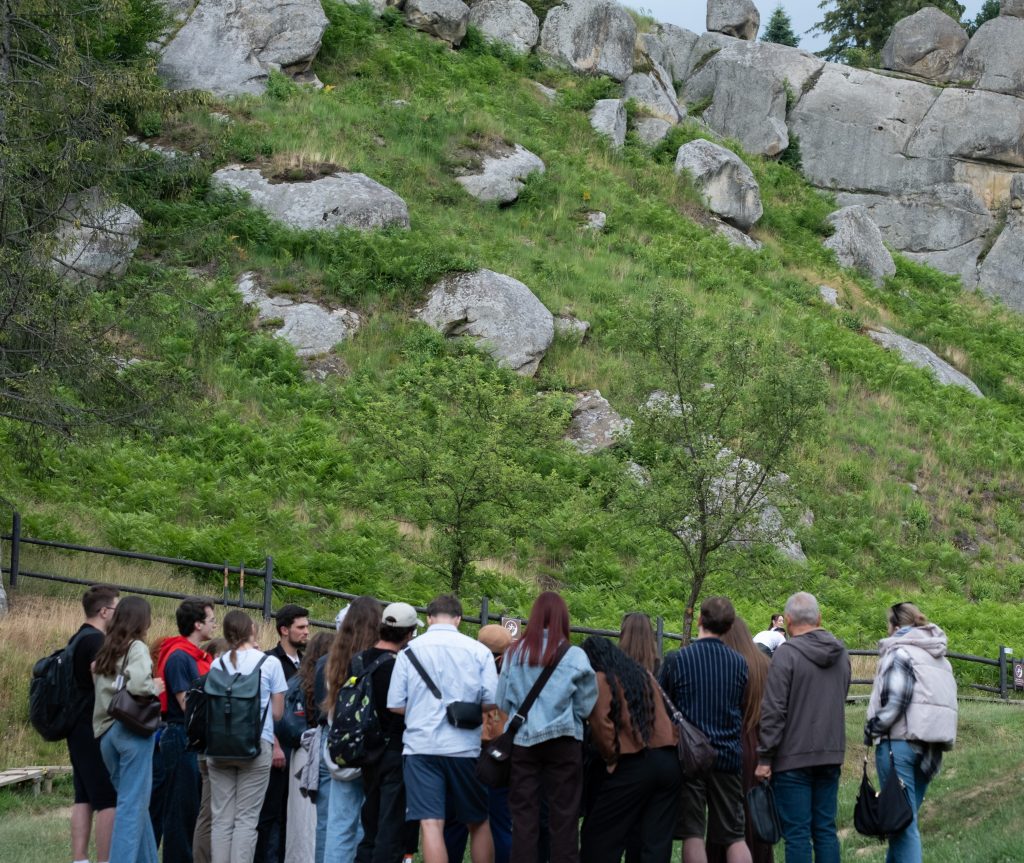
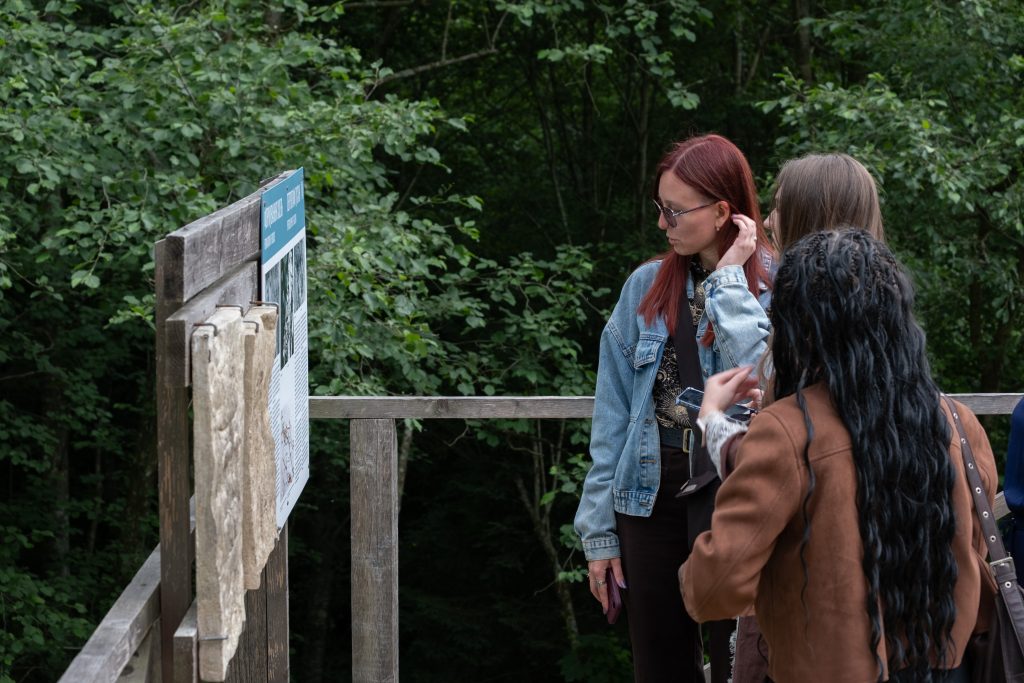
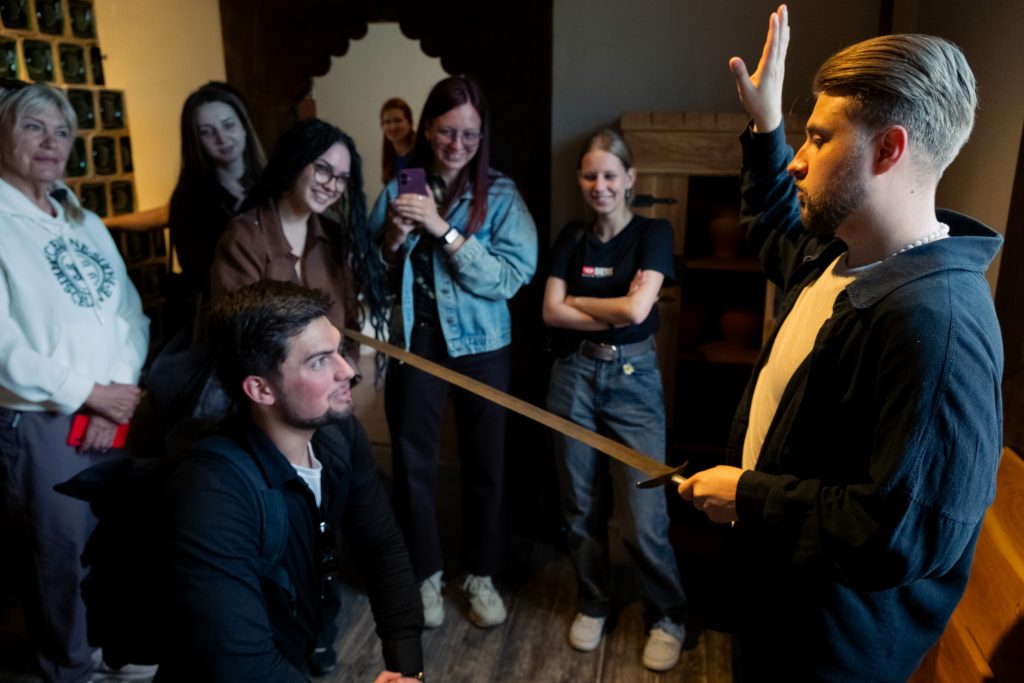
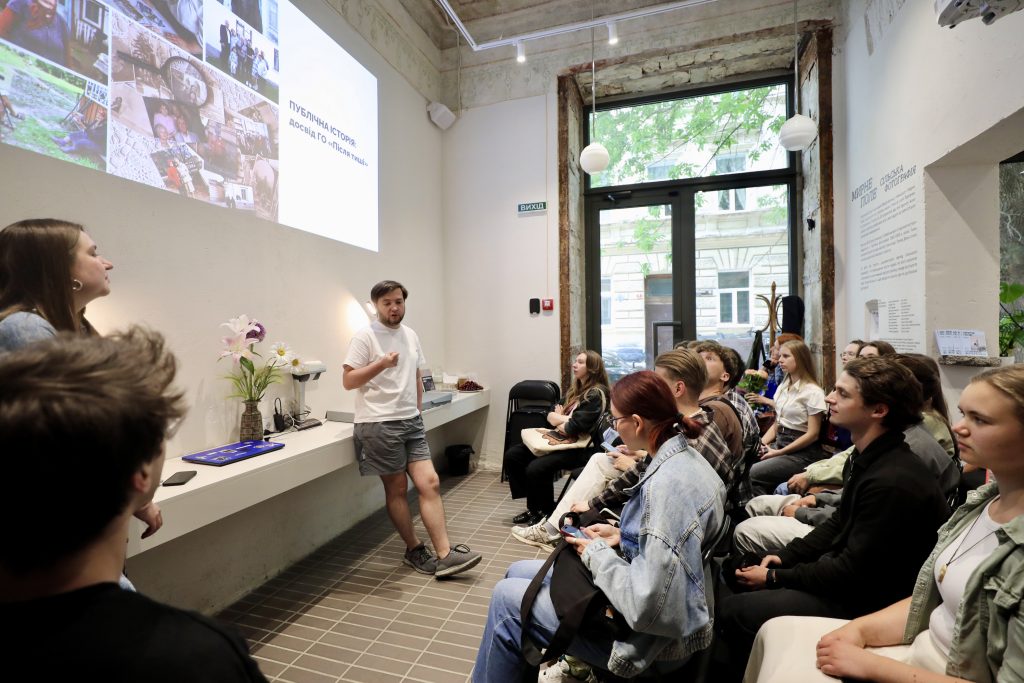
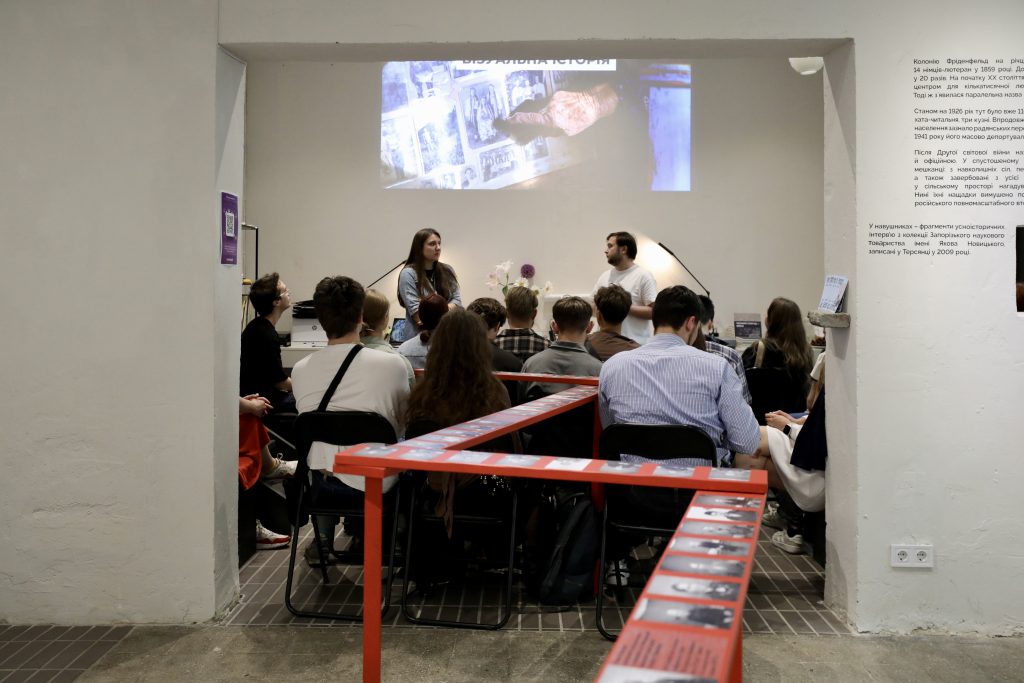
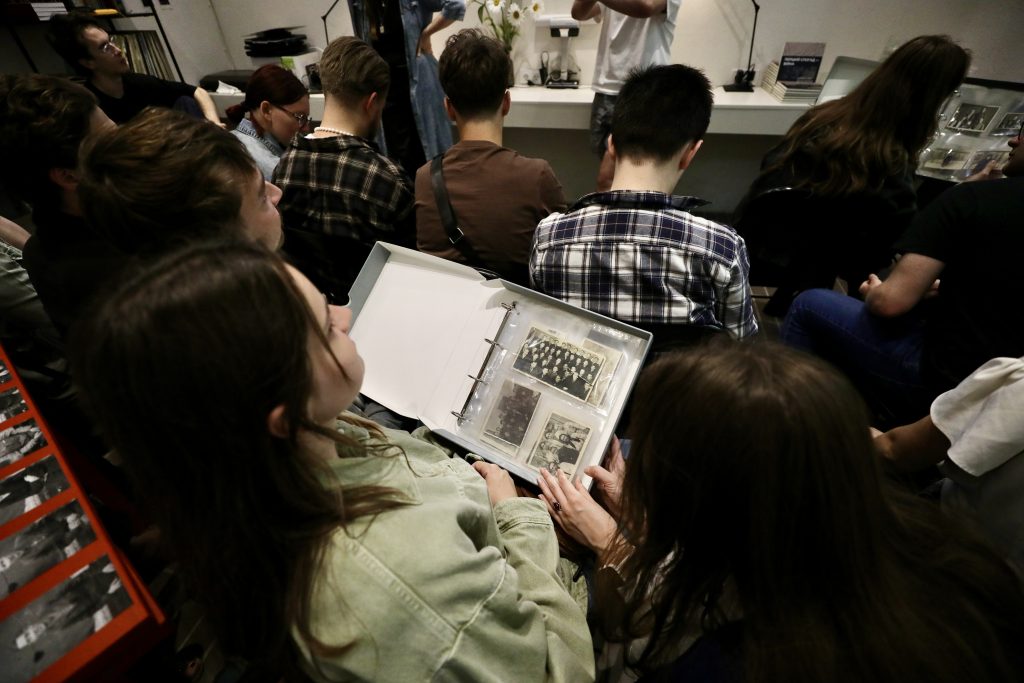
As in previous editions, the structure of the school will include various formats: meetings with researchers and practitioners, presentations of source collections from the Center for Urban History, film screenings and discussions, a city walk, and visits to the Natural History Museum, the Astronomical Observatory, and the public history space "After Silence." We are also planning a practical workshop that runs as a threadline throughout the summer school. It suggests working with the Telegram Archive of the War on a topic that explores themes of time and temporality, and writing an essay or presenting findings in any artistic form. Daria Badior (re/visions journal) provides writing training for school participants. Finally, the program includes a day trip to Tustan.
The Summer School is co-organized by the Central European University and the Center for Urban History of East Central Europe in Lviv.
The Invisible University for Ukraine
The Invisible University for Ukraine is initiated and implemented by CEU in cooperation with Imre Kertész Kolleg, University of Jena, as well as other Ukrainian (Ivan Franko National University of Lviv and Ukrainian Catholic University) and global university partners. IUFU has been supported by the Open Society University Network, with co-funding from the Deutscher Akademischer Austauschdienst. The Summer School also benefits from the financial support from the Mott Foundation.


Credits
Cover Image: Iryna Sereda
Gallery: Iryna Sereda, Oleksandr Korman