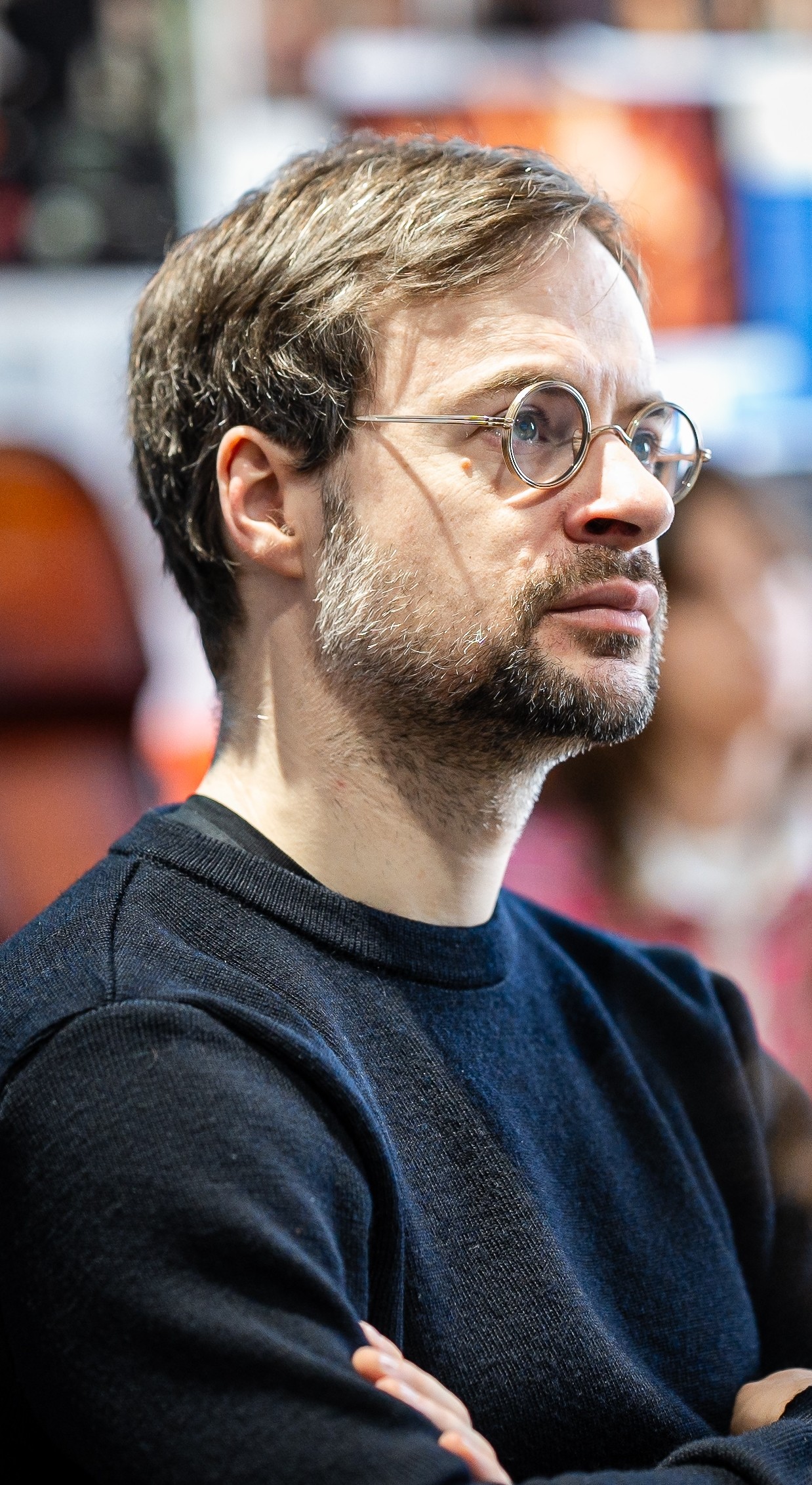
Jean-Philippe Miller-Tremblay is a research associate at the Studienzentrums zur Kunst der Moderne und Gegenwart of the Zentralinstitut für Kunstgeschichte (ZIKG) in Munich and a lecturer at the Institut catholique de Paris (ICP).
From a study of the metamorphosis of early modern military "dressage" in the face of contemporary warfare, he has recently turned his attention to the metamorphosis of war materiel today. Since 2025, he has been documenting the life paths of artifacts created in Ukraine from weapons produced since the start of Russia’s full-scale invasion in 2022. By reconstructing their biographies, he seeks to connect wartime experiences that would otherwise remain isolated. From the collector scouring the battlefield to the buyer of a finished product, and through the artisan or artist who chooses to carry out this transformation, retracing the intersecting journeys of these objects—journeys in which social actors from all backgrounds participate—remains to be done and must be done "in the heat of the moment"; otherwise, the voices these items embody will remain forever silent. For instance, some have become diplomatic gifts, such as rocket fragments transformed into precious objects presented to heads of state. Others are sold at local or online auctions to fund the war effort or to satisfy the need to preserve material "evidence" of the ongoing conflict.
During his residency at the Center for Urban History, he intends to pursue his ongoing research by documenting the stories behind such objects made in the region. Given that the city is located further from the front line yet remains vulnerable to airstrikes, which weapons are being repurposed? In what contexts are these objects produced (community workshops with professionals, individual initiatives with limited resources, large-scale artistic projects, etc.)? For what diplomatic, commemorative, economic, military, or artistic purposes? How does this materiality circulate, and into whose hands does it eventually pass?