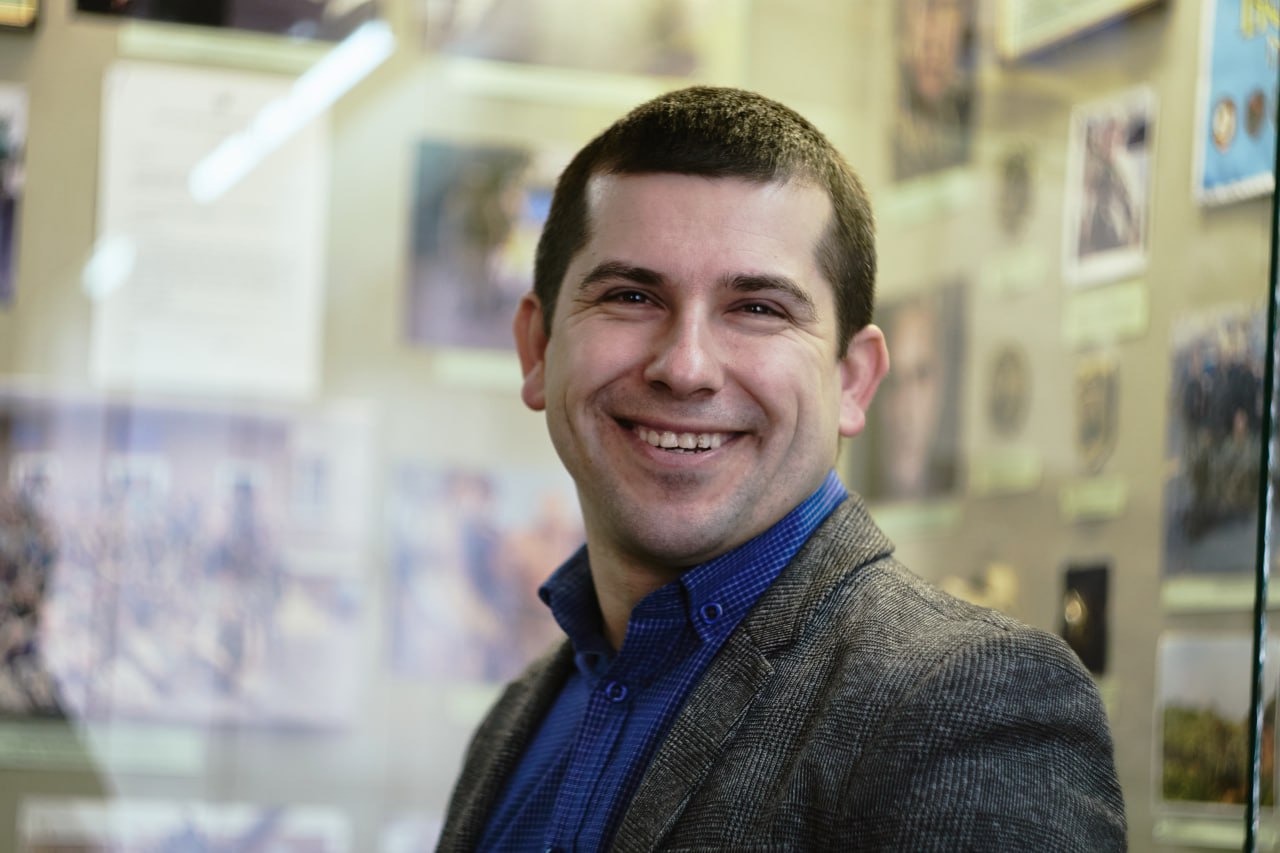
Bohdan Zek
Volyn Museum of Local Lore
-
- Research topic:
- The Jewish Council of Lutsk between the Interests of the Community and the Challenges of the Nazi Occupation
- Period:
- July – December 2025
-


Volyn Museum of Local Lore
PhD in History, Head of the Scientific and Exposition Department of Volyn History at the Volyn Museum of Local Lore (Lutsk), graduated from the Faculty of History (2012) and the postgraduate program at Lesya Ukrainka Volyn National University (2016). He studies local history of the Second World War and the Nazi occupation. Along with his research practices, he deals with issues of memorialization, organizes educational events, supervises students' research work at the Volyn Regional Minor Academy of Sciences, and is a member of the National Union of Local History of Ukraine.
In 2015, he took part in the seminar "The Genocide of the Jews of Europe: Historical Perspective and Approaches to Study" at the Museum and Memorial House of the Wannsee Conference (Berlin). In 2016, he defended his PhD thesis on the history of Ukraine on the topic: "Lutsk during the Nazi occupation (1941-1944)." As a research consultant, he participated in the creation of the Digital Atlas of the Holocaust by the Tsal Kaplun Foundation. Laureate of the Volyn Regional Mykola Kudela Prize (2019), scholarship holder of the Research in Ukraine program (2023) from the Juliusz Mieroszewski Center for Dialogue (Warsaw).
During his residency at the Center for Urban History, supported by the Foundation for Jewish Studies in Wrocław, he will work on the Holocaust in Lutsk, preparing a study on the activities of the Jewish Council of the City (Judenrat), a body that acted as an intermediary between the Jewish community and the German occupation authorities. Along with revealing this problem, the goal of the research is to restore the historical memory of the Jews of Lutsk. The research should result not only in new facts about the Holocaust tragedy but also in biographies of members of the Judenrat, ghetto prisoners, and their everyday life. The findings will contribute to the marking of the city's surviving Jewish monuments and will serve as a basis for further educational projects.