Socialist Rijeka: Habsburg Legacies, Global Ambitions, Local Transformations


Brigitte Le Normand
Maastricht University23.10.2026, 18:00
Conference Room of the Center for Urban History
We invite you to the lecture by Brigitte le Normand on the transformation of urban space in Rijeka, Croatia.
The end of the Second World War in Central Europe was marked not only by political and ideological transformation but also by border changes. What consequences did this have for cities?
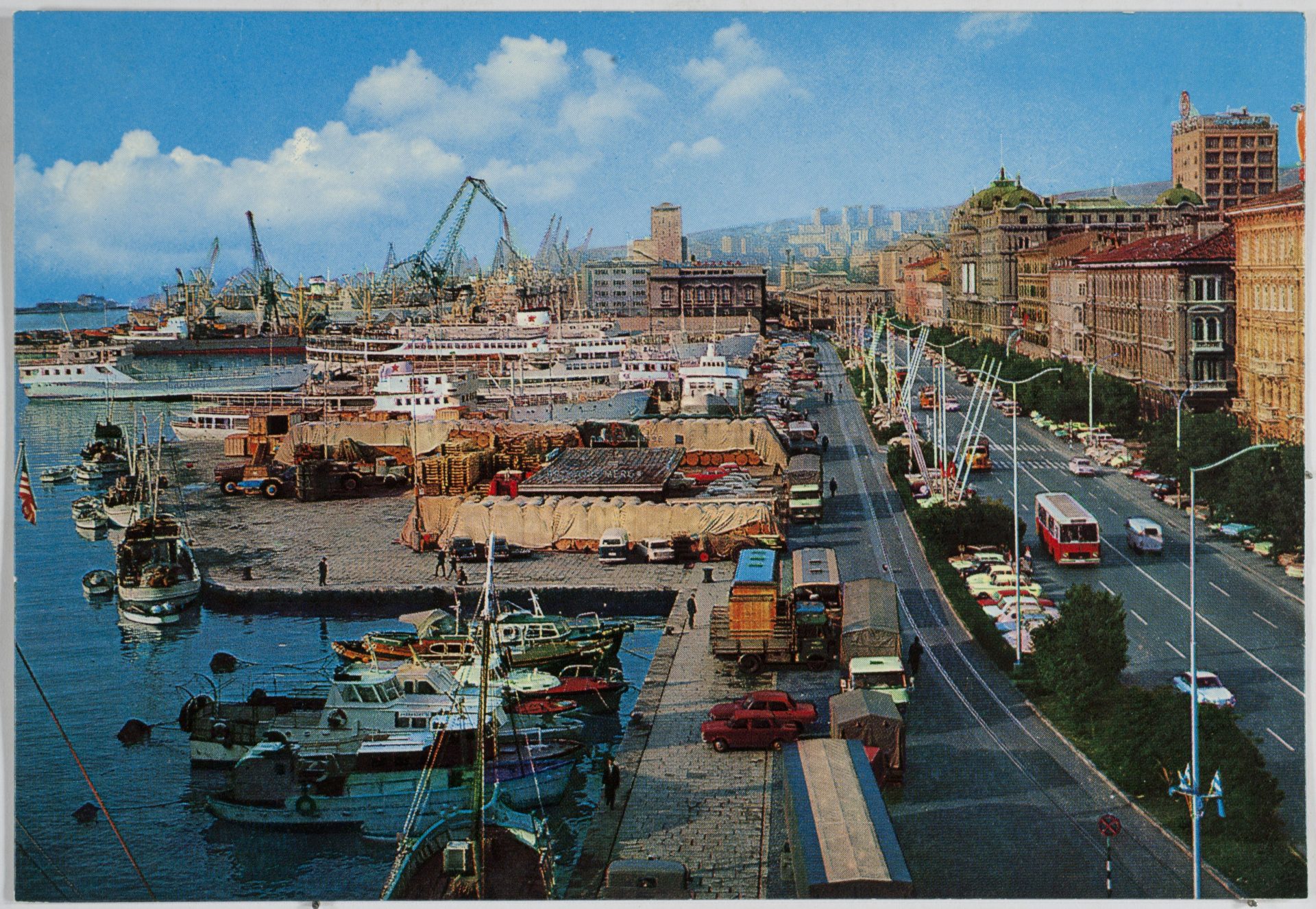
This talk examines the transformation of Rijeka after it became part of Yugoslavia at the end of the Second World War, focusing on the central economic role it was assigned as the country's main international port. When Yugoslavia decided to cast its lot with the global economy following the Tito-Stalin split, it turned to maritime shipping as part of its plan to develop its economy. Rijeka, a former Habsburg city that prior to 1945 had been part of Italy, was transformed into Yugoslavia's main international port. Marketed as "Central Europe's Gateway to the World" and repurposing Habsburg-built infrastructure, Rijeka was used not only to move imports and exports, but also to channel transit goods to Austria, Hungary, and Czechoslovakia.
While Rijeka’s booming maritime activity brought prosperity and global connectedness, it also came at a cost, producing urban space characterized by paralysis and dislocation.
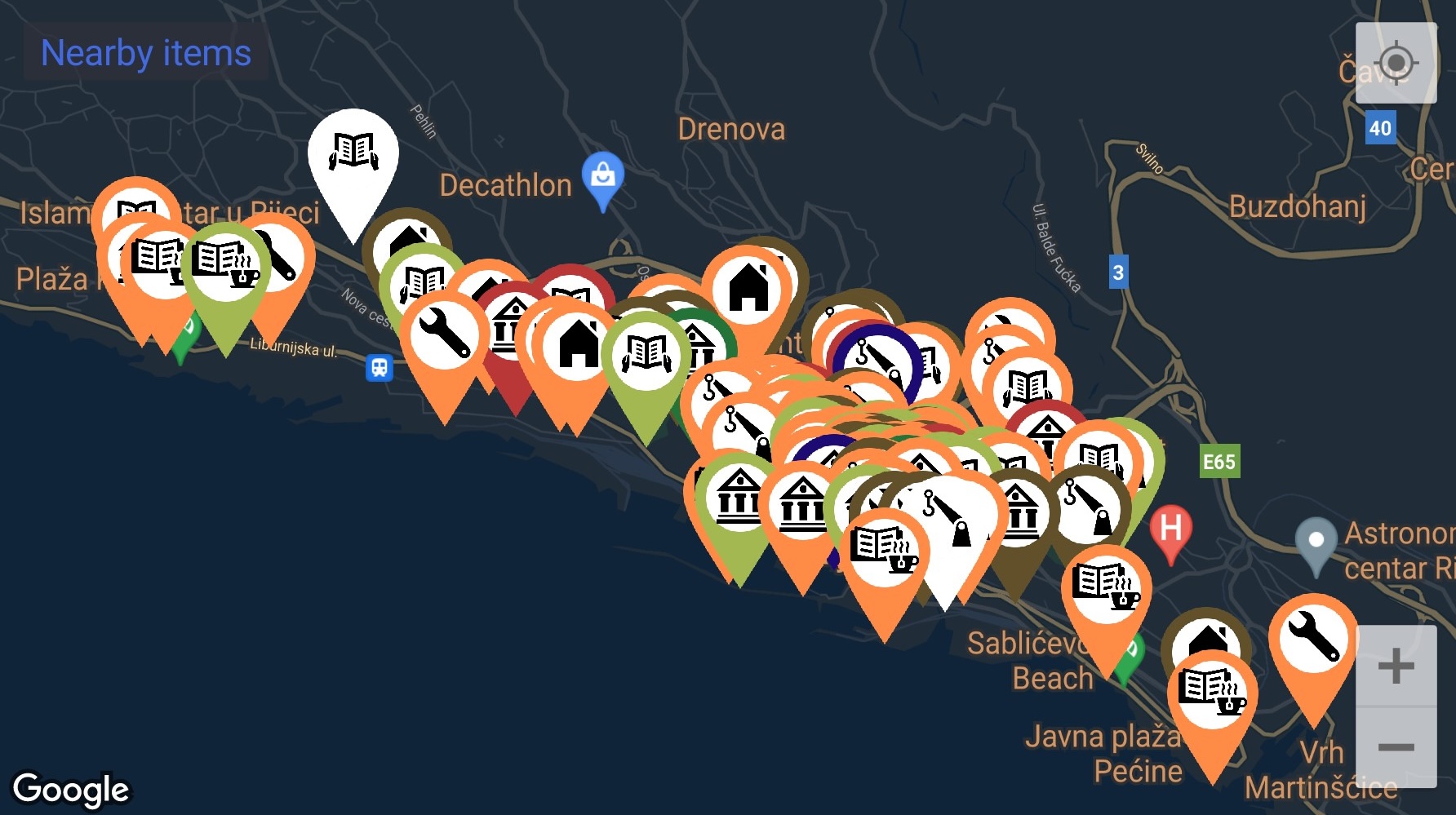
Associate Professor of European History in a Global Context at Maastricht University. Her research has examined the modernization project of socialist Yugoslavia from the perspective of urban planning, labor migration, and maritime transportation. She is the author of Designing Tito’s Capital: Urban Planning, Modernism and Socialism in Belgrade; and Citizens without Borders: Yugoslavia and its Migrant Workers in Western Europe; and of the Rijeka Fiume in Flux mobile phone application. She is the principal investigator of the ERC Consolidator project “Women Migrants from the Northern Mediterranean and Work in Postwar Northwestern Europe”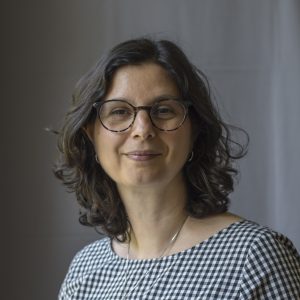
Brigitte Le Normand
Maastricht University
The event will take place within the international conference "Many Digital Lives of Urban History." The conference is organized by the Center for Urban History of East Central Europe in partnership with the Center for Governance and Culture in Europe at the University of St. Gallen, Centre for Digital Humanities at the Ukrainian Catholic University and the Centre for Contemporary and Digital History (C2DH). The conference is also a part of the "REHERIT 2.0: Common Responsibility for Shared Heritage" project.