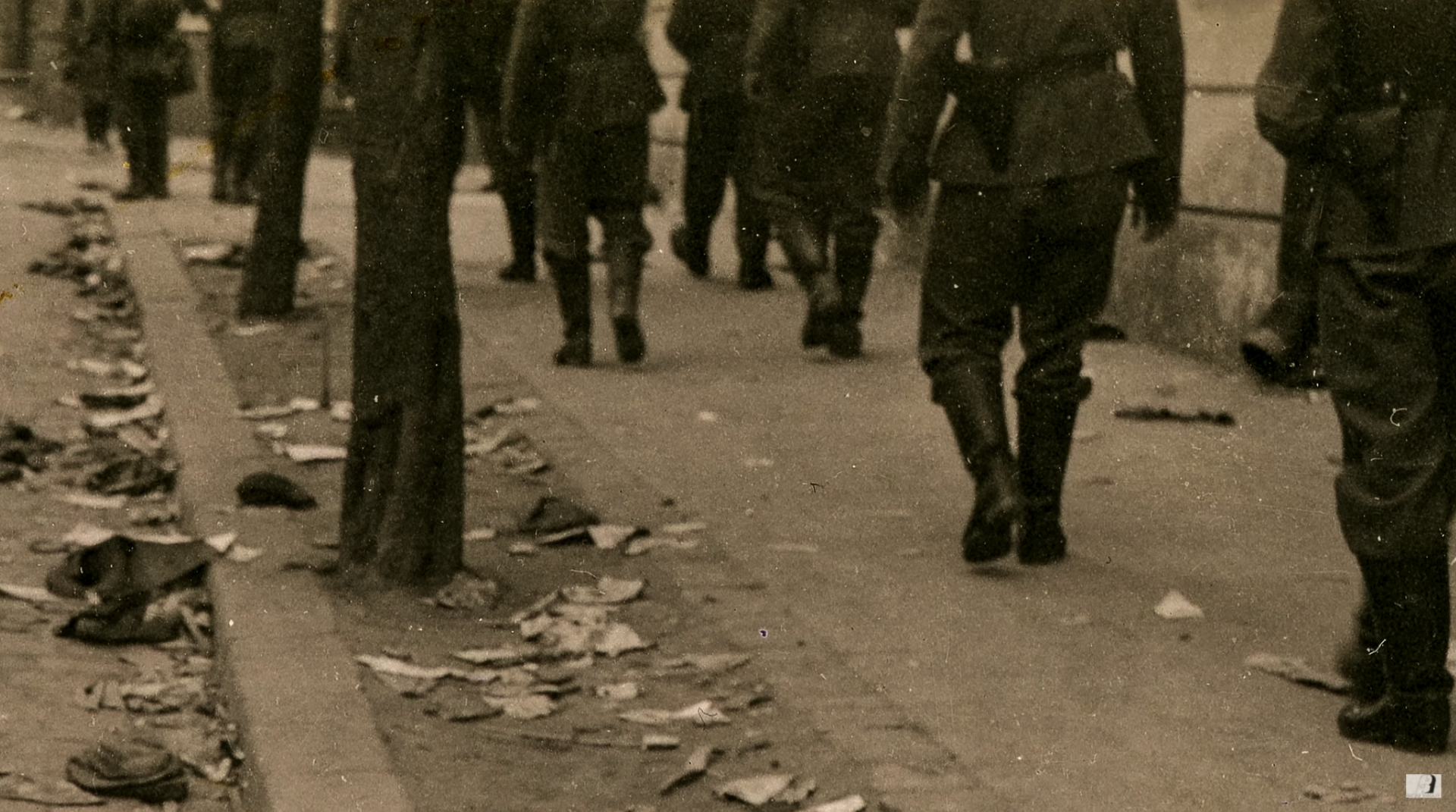
Events of 1941


2021-2022
A series of publications in the media
Together with the LB.Ua media, we have created a series of interviews that together form the series "Events of 1941."
In conversations with historian Andrii Usach, professional tour guide Inna Zolotar, sociologist and political scientist Jan Tomasz Gross, and researcher Agnieszka Gajewska, we reflect on the study and interpretation of the events of the summer and fall of 1941 in the context of the history of World War II and the Holocaust in Ukraine. In doing so, we aim to initiate a conversation about the memory of these events—in both large and small cities, as well as at the national level.
Series Editor: Daria Badior.
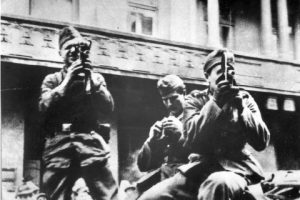
Andrii Usach: “The 1941 Lviv pogrom has not been commemorated in any way in the city's public spaces”
LB.ua / 1.7.2021A conversation with Andrii Usach about the events in Lviv during the first days of the Nazi occupation, about public discussions surrounding this tragedy in Ukraine and Poland, and about the Soviet trials of collaborators.
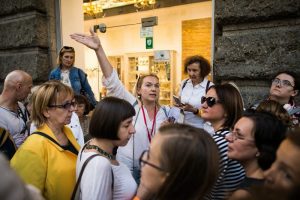
Inna Zolotar: “The events of 1941 in Lviv reveal the trauma experienced by each of the societies that were part of them”
LB.ua / 25.8.2021Inna Zolotar discusses the conflict between historical memories, the obstacles and conditions for public discourse on painful chapters of history, and the role of self-reflection in this process.
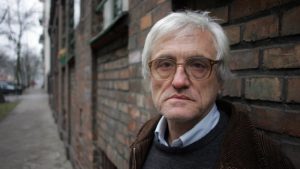
Jan Tomasz Gross: “History is full of examples where neighbors began killing one another as soon as the situation allowed.”
LB.ua / 31.10.2021In this interview, Jan Tomasz Gross spoke about what the history of a small Polish town can teach the whole world, about the propensity for violence as part of human nature, and about the lessons we need to learn to live without ethnic conflicts and genocides in the 21st century.
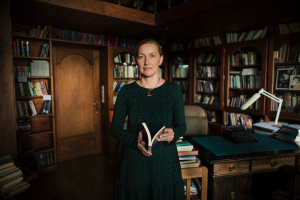
Agnieszka Gajewska: "Stanisław Lem's deepest wound was the involvement of locals and neighbors in the events of the Holocaust."
LB.ua / 26.1.2022Agnieszka Gajewska discusses the journey that led to the story of Lem, which later took shape in the book “Extermination and Dawn: The Past in the Prose of Stanisław Lem”; she also talks about how she returned the writer to the Jewish community without taking him away from the Polish people, as well as the importance of interethnic dialogue.
Credits
Cover Image: The German military walks along ul. Zamarstynowska covered with belongings remained after the Jewish victims / from the collection of Dr Tomasz Butkiewicz—Museum of Jews of Białystok and the Region (fragment).