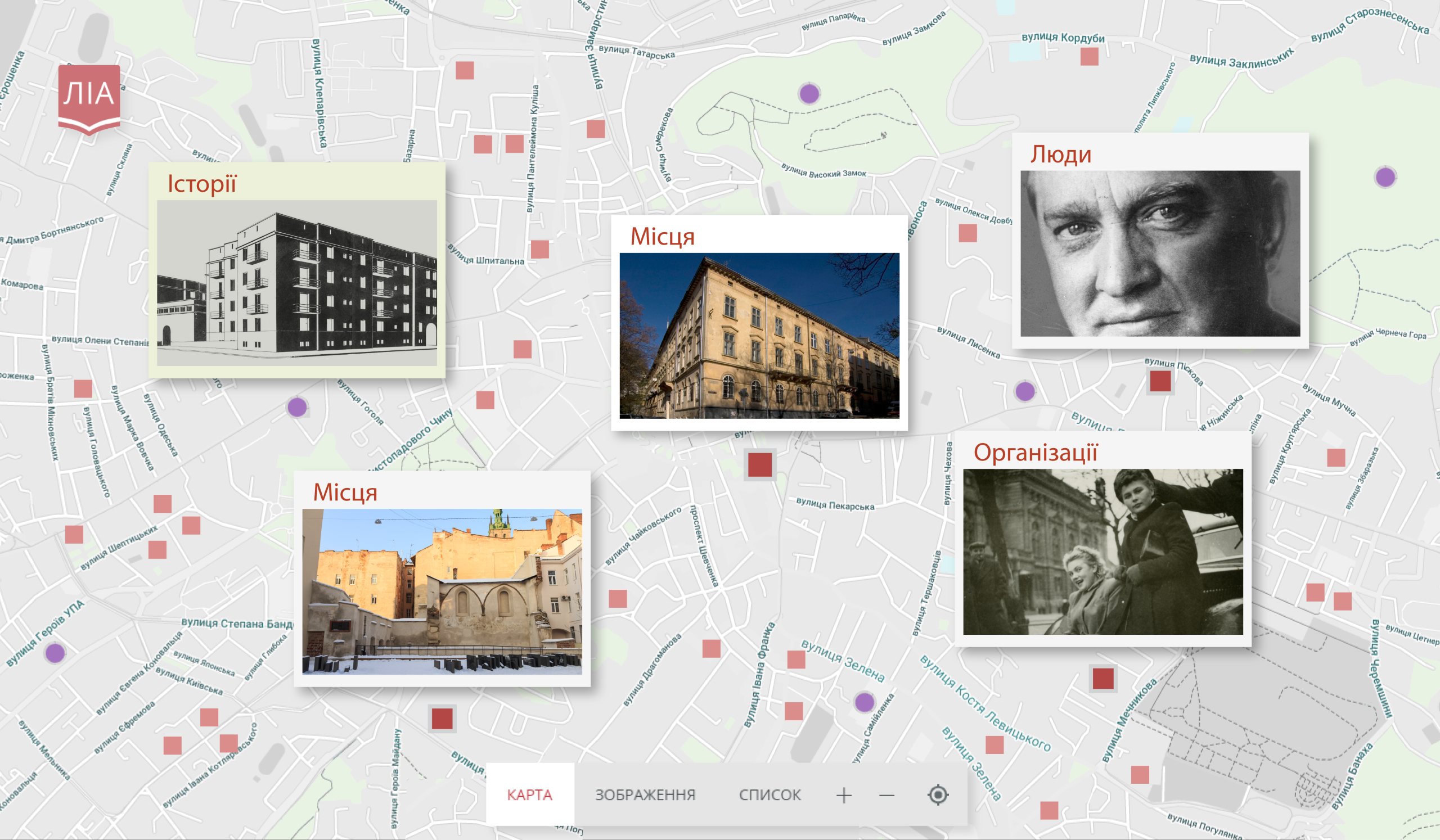
Exploring Cities: Methods and Tools of Digital History
- Course Duration:
- November 2026


The city is a rich yet complex subject of historical research. It is a dynamic interweaving of processes, people, and spaces, and its past cannot be reduced to a single linear narrative. Over the past few decades, digital methods have opened up new ways for studying the multilayered, interconnected nature of urban life across time and space. This course is designed to introduce methods of the digital humanities that can be applied to urban studies, as well as to raise questions about how these methods influence researchers and practitioners in the field and shape their arguments.
The course will combine practical sessions with a theoretical framework and ongoing critical reflection. Participants will work with a variety of tools and methods and, at each stage, analyze how these tools shape the research process and what epistemological context they create. They will also have the opportunity to explore examples of implemented urban digital history projects.
The course will introduce a range of approaches in the digital humanities that are relevant to urban history:
Lectures will be delivered by experts and researchers from the Center for Urban History and the Ukrainian Catholic University, as well as invited specialists.
We invite students majoring in both the humanities and computer science who are interested in working with digital history tools to join the course, as well as practitioners in the fields of culture and museum studies, researchers, and others who work with topics in the digital humanities and are seeking opportunities to deepen and expand their skills.
Classes will take place in person at the Center for Urban History in Lviv and will begin in November 2026. Classes are scheduled for Tuesdays and Thursdays from 4:00 PM to 6:00 PM. Final dates will be sent to participants closer to the start of the course.
Participation in the course is free of charge.
How to join the course
Please send your CV and a motivation letter of up to 300 words (in a single PDF file) by October 26, 2026, to lvivinteractive@lvivcenter.org.ua. In the subject line, please write "Digital History Course".
List of lectures (Lecture schedules may change)
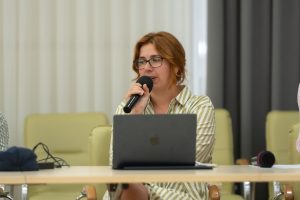
Historian, head of the “Lviv Interactive” platform and researcher at the Center for Urban History. Her research interests include historical urban studies, the perception of urban space, and Lviv’s artistic networks and their manifestations in the city’s public space throughout the long 19th century.

PhD, Senior Lecturer in the Department of History at the Ukrainian Catholic University (UCU) and Director of the UCU Center for Digital Humanities. Her research interests include digital history, historical toponymy, and urban studies, particularly research on early modern Lviv. She participates in international research projects, collaborates with the Polish Academy of Sciences, and is involved in inter-institutional initiatives in the field of digital humanities.
Organizers: Center for Urban History and the Center for Digital Humanities at the Ukrainian Catholic University, with support from the Center for Governance and Culture in Europe (GCE-HSG) at the University of St. Gallen