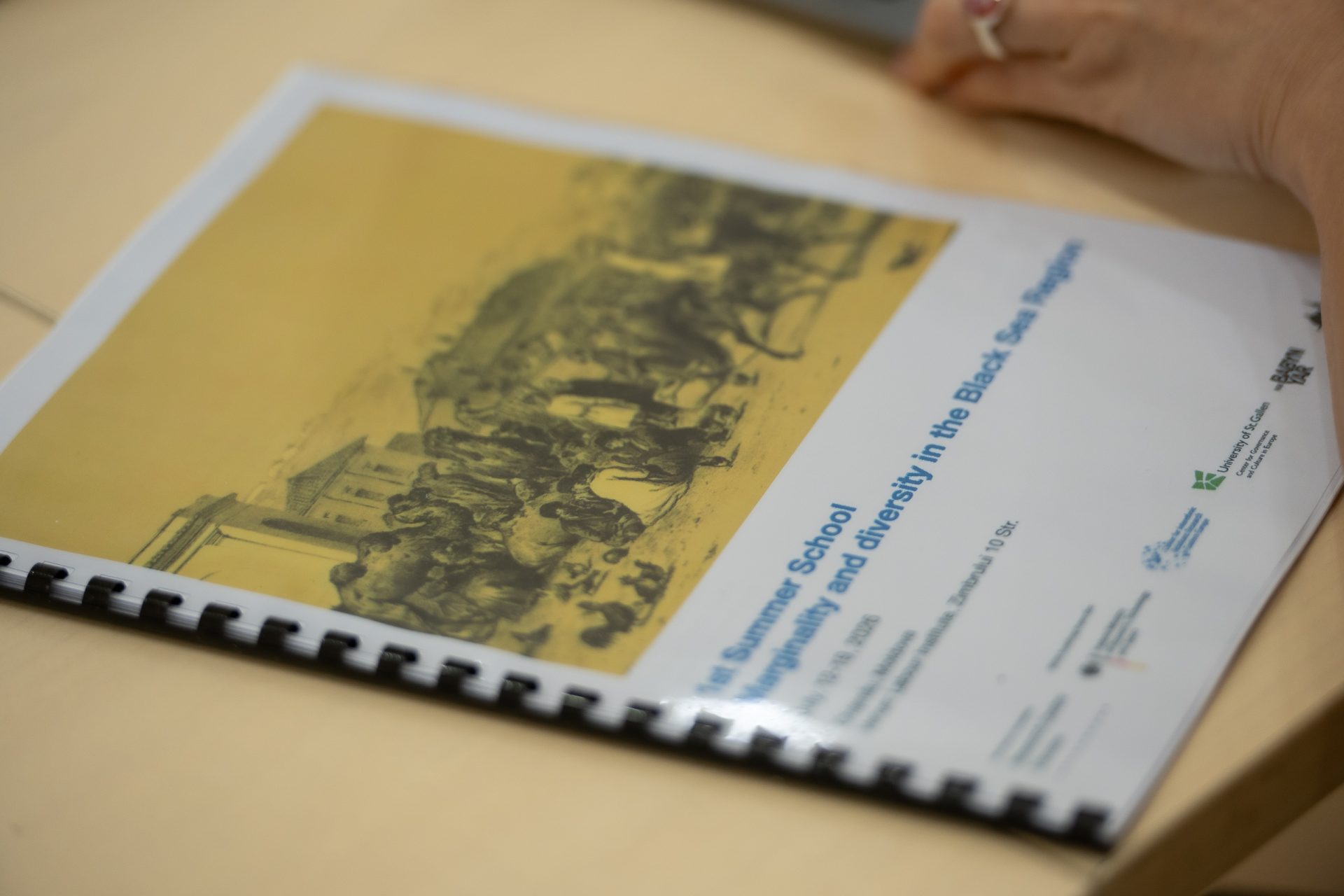
Marginality and Diversity in the Black Sea Region


12-19.7.2026
Chișinău, Moldova
On July 12–19, 2026, the Center for Urban History helped co-organize the first summer school "Marginality and Diversity in the Black Sea Region" organized by the Center for Interethnic Relations Research in Eastern Europe, which took place in Chișinău, Moldova.
The school focused on the themes of diversity and marginality in the Black Sea region, particularly through the lens of the region's historical, cultural, and economic ties, as well as migration patterns and forced displacements of communities. The summer school served as a platform for international academic exchange, interdisciplinary dialogue, and the establishment of new academic ties between countries and institutions.
Lecturers and participants from Georgia, Turkey, Ukraine, Moldova, Romania, Germany, Azerbaijan, France, Greece, North Macedonia, Sweden, and the United Kingdom took part in the school.
Masha Cerovic delivered the school’s main course: her introductory lecture, "Shores and Seas: From Landscape to Environment," centered on the history and methodology of research in the Black Sea region. Guest lecturers — Constantin Ardeleanu and Mišo Kapetanović — complemented the school’s academic program, focusing on its key themes: diversity and marginality. Constantin Ardeleanu gave a lecture about the Zmiinyi Islands, and Mišo Kapetanović — about the queer experiences in the early Balkan ethnographies.
A separate component of the program consisted of presentation sessions, during which participants presented and discussed their own projects. The presentations primarily focused on the Black Sea region from various research perspectives (ranging from the history of port cities to the communities that have shaped and continue to shape the region). The invited discussants were Ioulia Shukan, Iryna Klymenko, and Roksolyana Holovata.
The school’s program also included workshops for students, city walks, and expeditions to Gagauzia and the Taraclia district. A visit to the local NGO "Promo Lex," which addresses human rights issues and monitors elections, provided an opportunity to discuss the challenging work of activists, such as their efforts regarding the policy of Transnistria's reintegration.
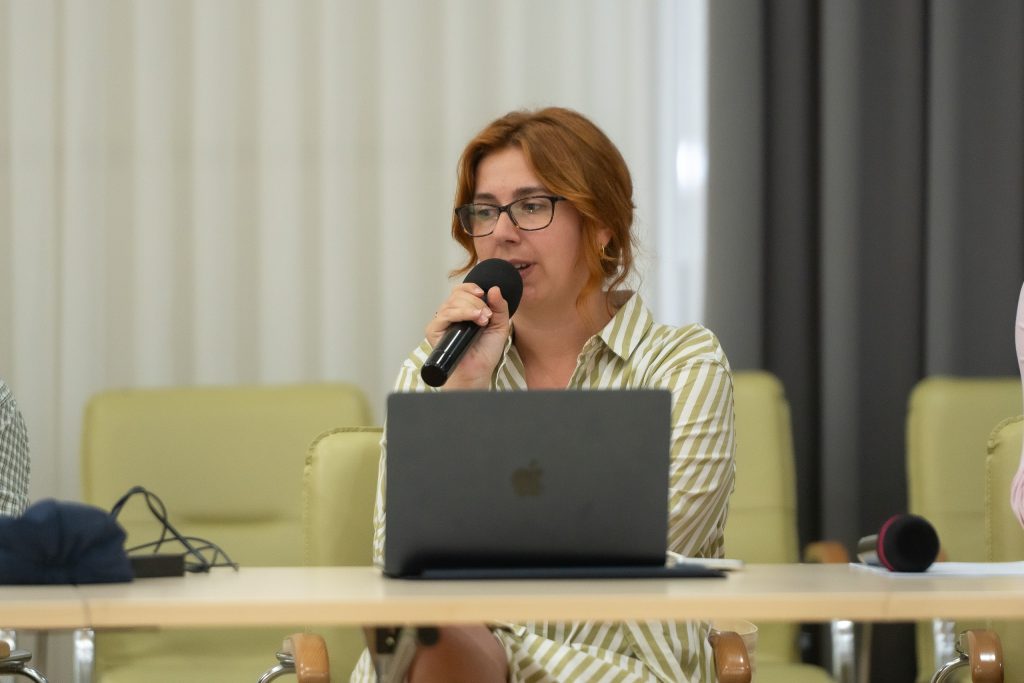
The head of the Lviv Interactive platform, Roksolyana Holovata

Participants of the Summer School
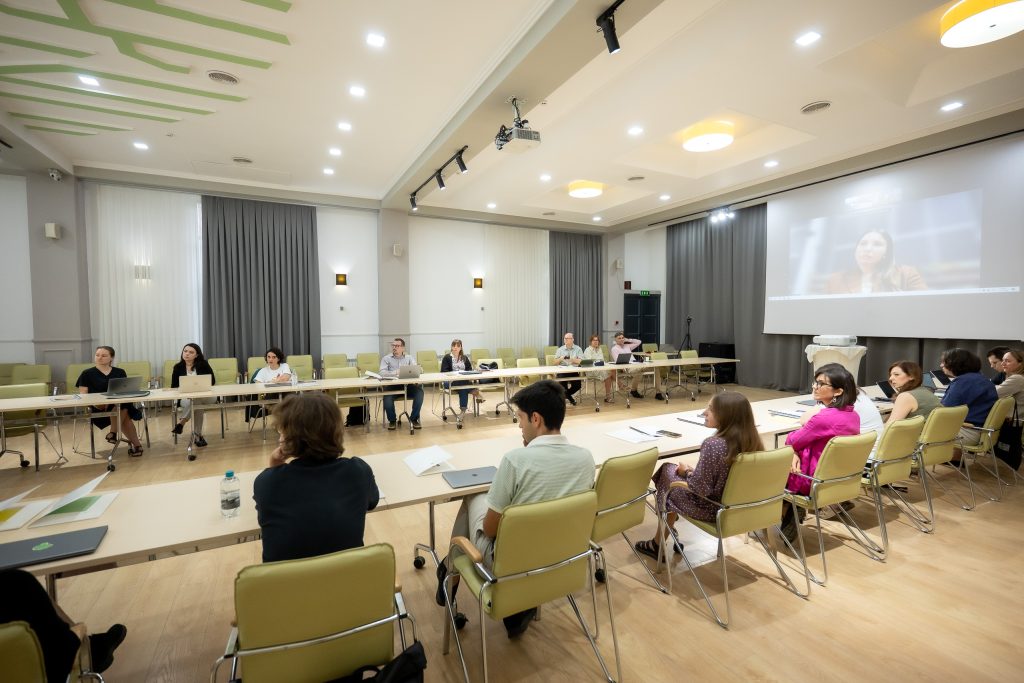
Participants of the Summer School
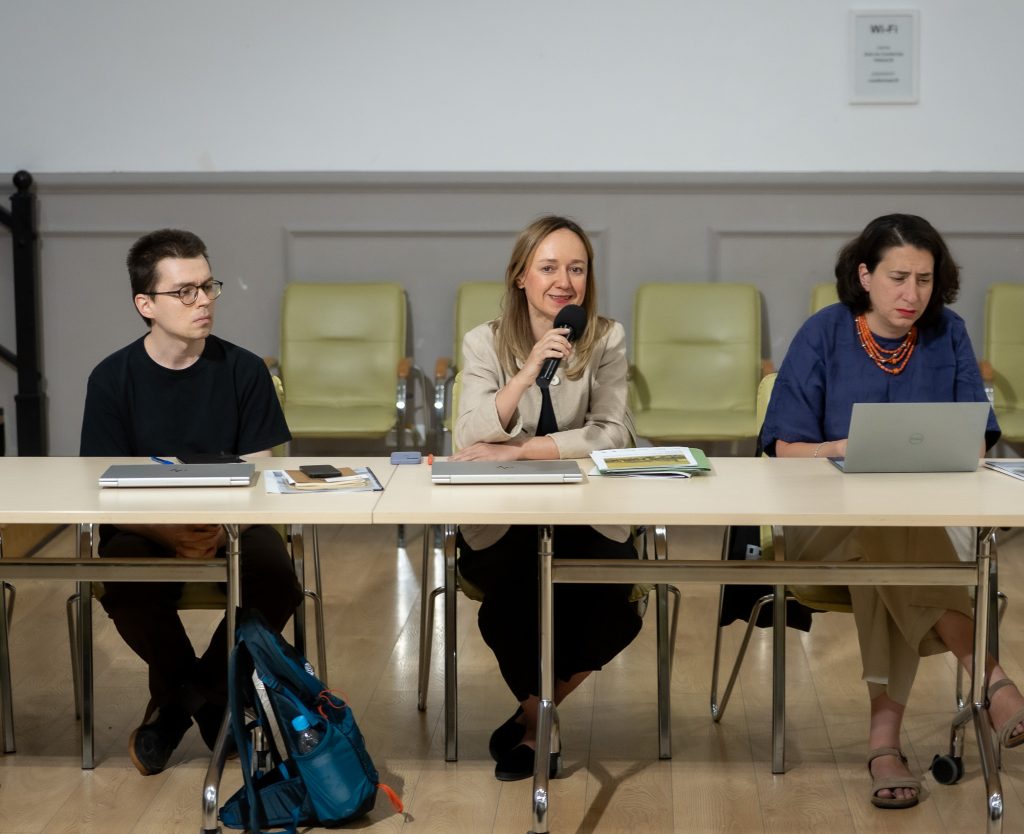
From left to right: Bogdan Pavlish, Iryna Klymenko, Masha Cerovic
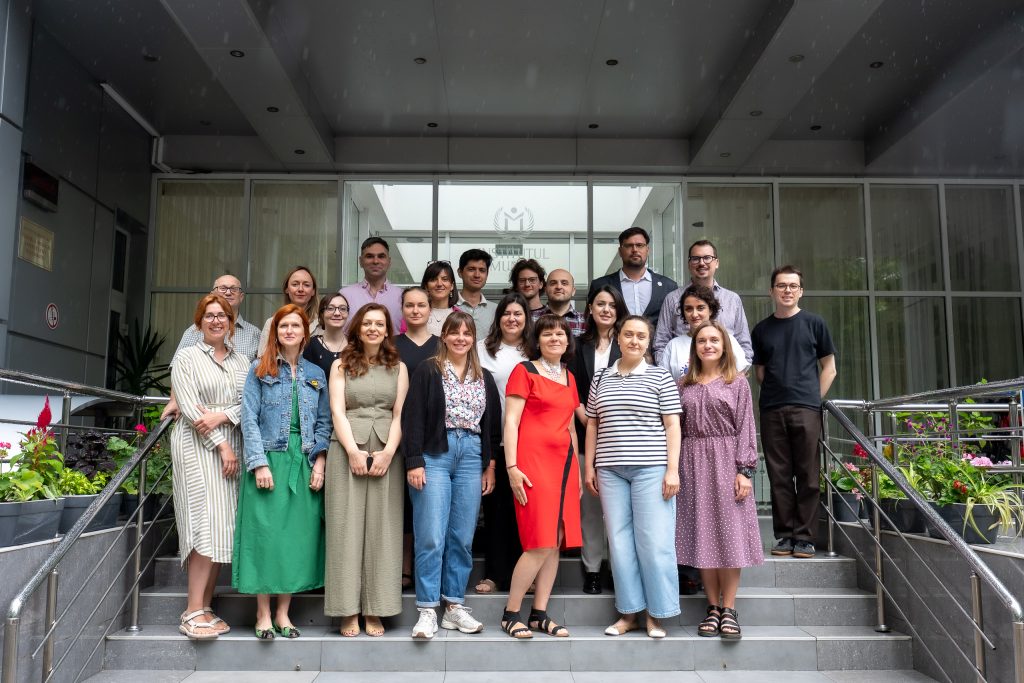
Participants of the Summer School
Lecturers and speakers at the summer school:
- Masha Cerovic, School of Social Sciences / CERCEC, France;
- Constantin Ardeleanu, New Europe College, Romania;
- Mišo Kapetanović, Institute for Habsburg and Balkan Studies, Austrian Academy of Sciences, Austria;
- Bogdan Pavlish, Research Center Ukraine / Max Weber Foundation, Ukraine
- Yurii Amir Radchenko, Center for Interethnic Relations Research in Eastern Europe, Ukraine
- Iryna Klymenko, Research Center Ukraine / Max Weber Foundation, Ukraine;
- Roksolyana Holovata, Center for Urban History, Ukraine.
- Ioulia Shukan, School for Advanced Studies in the Social Sciences / CERCEC, France;
- Ivan Duminicа, Center for Ethnology at the Institute of Cultural Heritage, Moldova
- Irina Nicorici, Rutgers University, USA
Organizing committee of the school:
- Roksolyana Holovata, Center for Urban History, Ukraine
- Artem Kharchenko, I. P. Kotlyarevsky Kharkiv National University of Arts, affiliated researcher at the Center for Urban History, Ukraine
- Yurii Amir Radchenko, Center for Interethnic Relations Research in Eastern Europe, Ukraine
The summer school was organized by the Center for the Interethnic Relations Research in Eastern Europe (Kharkiv, Ukraine) in collaboration with the Center for Governance and Culture in Europe at the University of St. Gallen (Switzerland), Research Centre Ukraine / Max Weber Foundation (Lviv, Ukraine), the Babyn Yar National Historical and Memorial Reserve (Kyiv, Ukraine), and the Center for Urban History (Lviv, Ukraine).




Credits
Cover image and gallery: Center for Interethnic Relations Research in Eastern Europe