The Potential of Locative Mobile Apps for Telling New Stories about Contested Cities: Rijeka Fiume in Flux


Brigitte Le Normand
Maastricht University25.3.2026, 17:30
online / Zoom
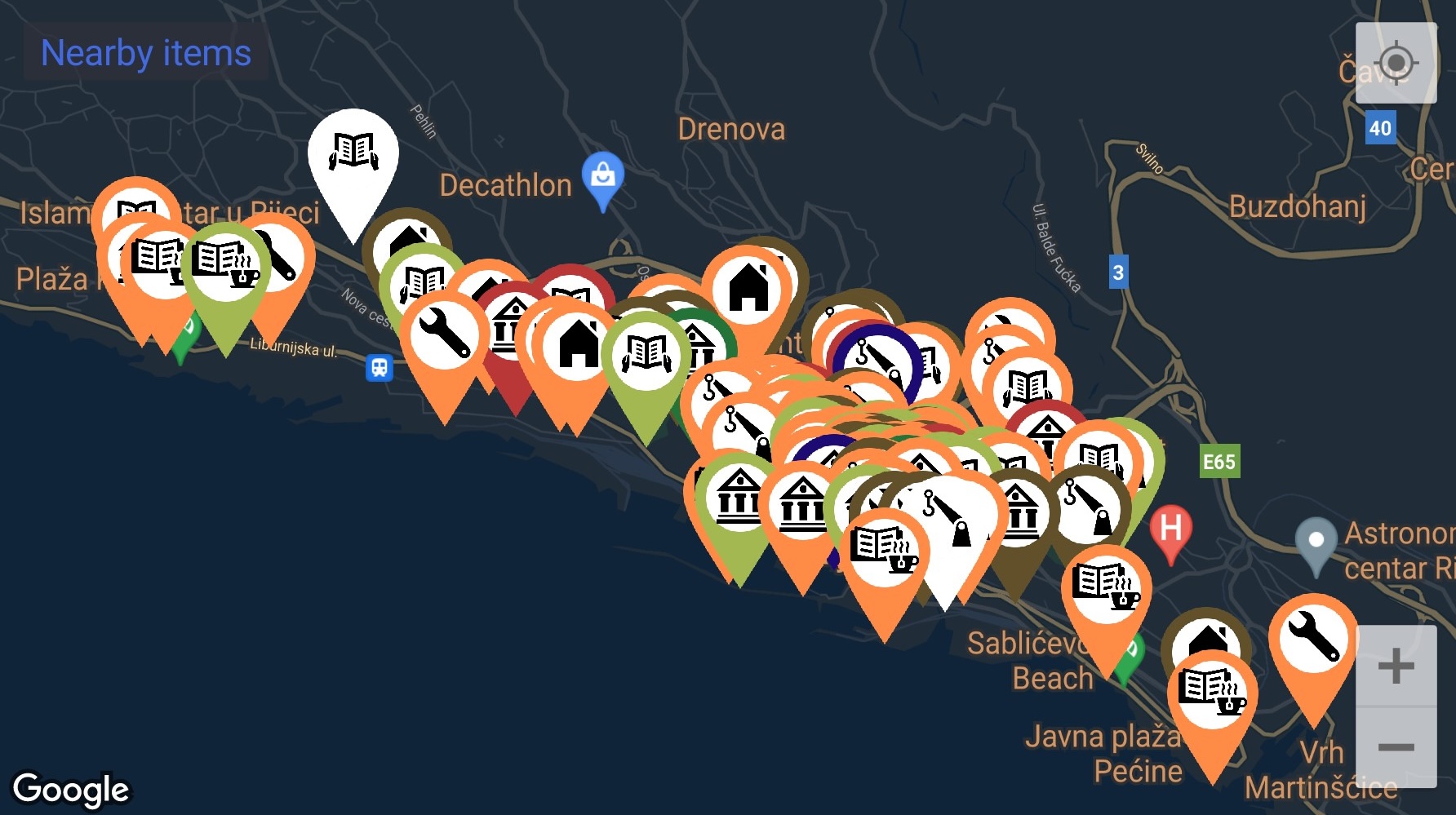
Rijeka Fiume in Flux (2021-2025) was a locative mobile phone app that allowed users to explore the past of Rijeka, a city that was historically contested, first between Hungary and Croatia in the 19th century, and then between Italy and Yugoslavia in the 20th century. The app aimed to disrupt ethno-national narratives about the city’s identity by sharing historical knowledge from multiple perspectives with a broad audience, while also enabling users to explore the past based on their curiosity and experiences moving through the city, provoking engagement with the multifaceted stories of the city.
This presentation explores the design of the app and the opportunities and challenges in its implementation, and evaluates how successful it was in meeting its objectives.
The app is no longer available for download, but its contents can be explored at this website.
The event will be launched online. To receive an invitation to participate in events, please contact Sofia Andrusyshyn via email: s.andrusyshyn@lvivcenter.org.ua. The working language is English with simultaneous interpretation into Ukrainian.
Associate Professor of European History in a Global Context at Maastricht University. Her research has examined the modernization project of socialist Yugoslavia from the perspective of urban planning, labor migration, and maritime transportation. She is the author of Designing Tito’s Capital: Urban Planning, Modernism and Socialism in Belgrade; and Citizens without Borders: Yugoslavia and its Migrant Workers in Western Europe. She is also the principal investigator of the ERC Consolidator project ‘Women Migrants from the Northern Mediterranean and Work in Postwar Northwestern Europe’ (FeMMiWork.)
Brigitte Le Normand
Maastricht University
The event will take place within a series of seminars and workshops around specific cases of urban history digital platforms/projects, "Urban History Digital Infrastructures: Sharing Expertise and Networking Cities", organized by Center for Urban History, with the support of the Center for Governance and Culture in Europe at the University of St.Gallen.