Ginczanka. A Voice from the Outside: Film Screening and Discussion


12.10.2025, 14:00
Art Base of the Rivne House of Chamber and Organ Music
We invite you to a screening of the film Zuza i Lusia (2016) by Maria Stauber and a discussion about the experiences and trajectories of Zuzanna Ginczanka with Iryna Zakharchuk, Olena Shulha, and Inna Zolotar. This meeting continues the public series "Weaving the Heritage" of the project "REHERIT 2.0: Shared Responsibility for a Common Heritage".
Zuzanna Ginczanka is one of the most prominent poets of interwar Poland. She studied pedagogy at the Faculty of Humanities at the University of Warsaw. She was a member of the Skamandra circle, a poetry group created around the eponymous magazine published in Warsaw in the 1920s and 30s. She was friends with Józef Łobodowski, Julian Tuwim, and Witold Gombrowicz. She was a regular guest of the famous Mala Zemianska coffee shop. In addition to "Skamandra," she was published in the magazine "Wiadomości Literackie" and collaborated with the satirical magazine "Szpilki."
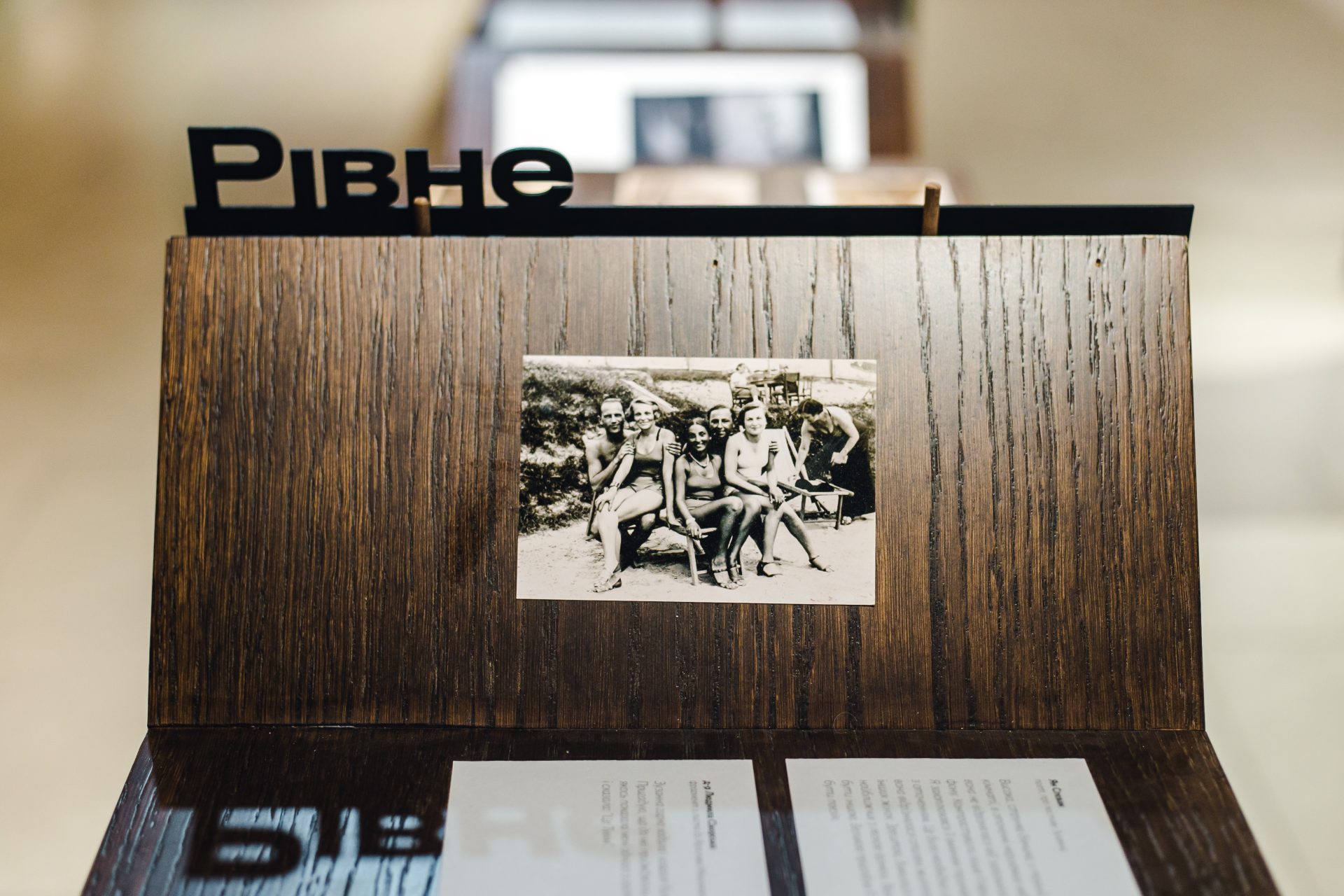
Ginczanka's poetry is deep, bold, and intimate. Zuzanna wrote and published her first poems in Rivne. Rivne is the city of Ginczanka's childhood, where her parents moved from Kyiv shortly after her birth. It is a multi-voiced, multicultural borderland that is building and modernizing, conflicting and negotiating, cherishing traditions and at the same time trying to keep up with the times. Although for many of the poet's contemporaries, Rivne is a province.
Growing up in an assimilated Jewish family, Zuzanna Ginczanka chose Polish culture to realize her literary ambitions. Her social circle included people with different backgrounds and (un)obvious choices of identity. Today, the memory of Ginczanka consists of several biographies, exhibitions, a stepping stone, many photographs, and only one collection of poetry published during her lifetime in 1936.
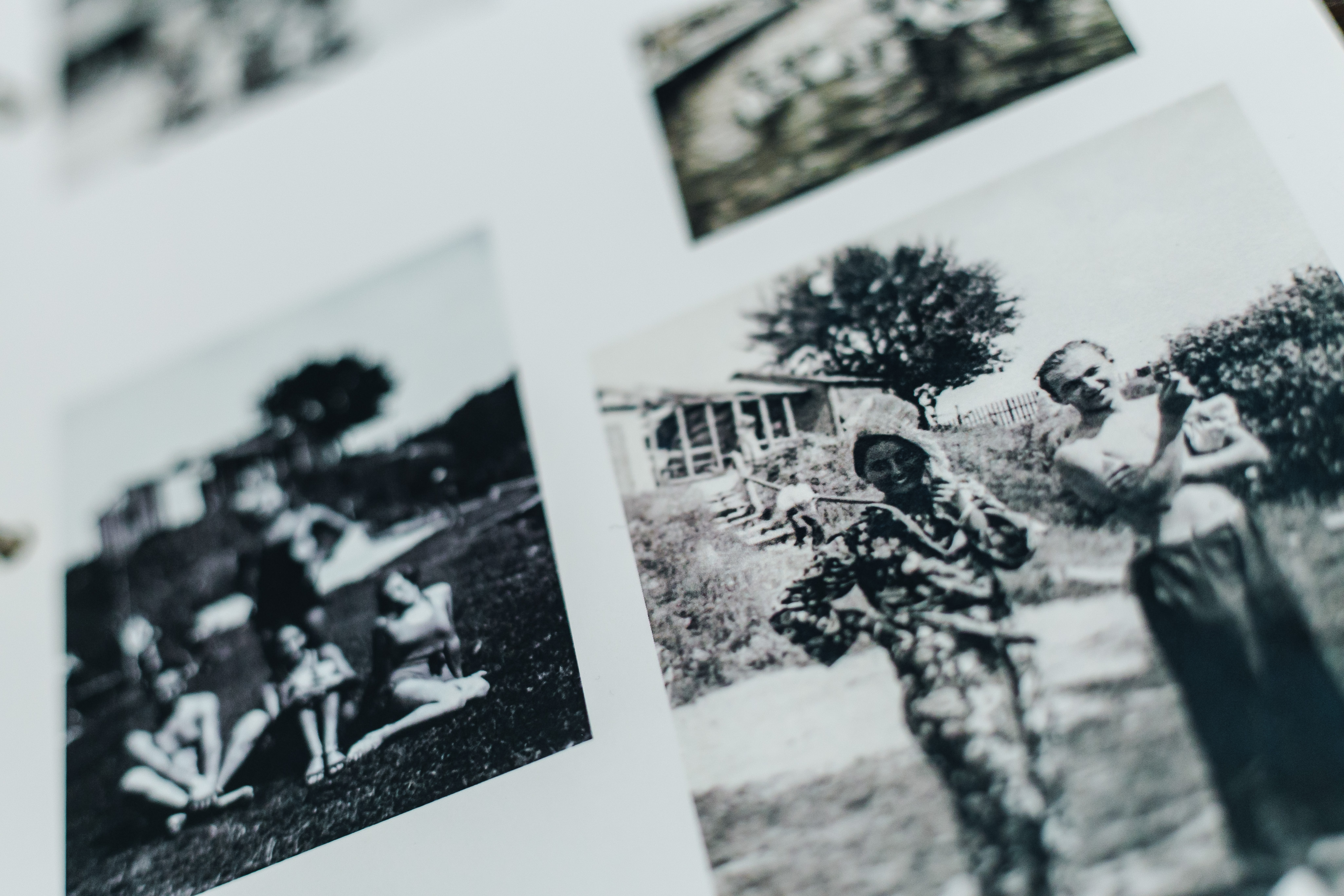
In the film Zuza i Lusia, Ginczanka is told about her by her friend Lusia Stauber to her daughter Maria Stauber. Lucia, unlike Zuzanna, was lucky enough to survive the Second World War and the Holocaust. This is a memoir that shows the places, times, and people of Ginczanka through photographs. However, it is a voice from the outside. But where to hear the voice of Zuzanna herself, how emancipated poets are formed in the "province," and finally, what is the place of Ginczanka in our culture-we will reflect on these and other issues during the event.
Researcher of memory culture and genocide issues. Doctor of Philology, Professor of the Department of Ukrainian and Foreign Literature at Rivne State University of the Humanities. Culture manager and curator with 15 years of experience. She works with festivals and large-scale cultural events, creating interdisciplinary formats at the intersection of music, literature, cultural memory, and media art. Coordinator of Public History Programs at the Center for Urban History. Her main interest is the “cross paths” of different groups and societies in Galicia, their (in)visibility in space, and the history of conflicts between different communities.
Iryna Zakharchuk
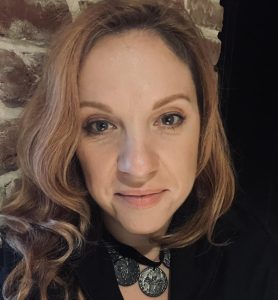
Olena Shulha
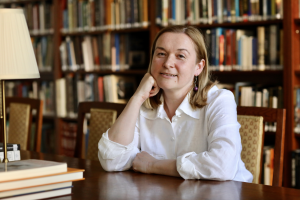
Inna Zolotar
The film was produced by the Polish Modern Art Foundation. We are grateful for the opportunity to screen it within "Weaving the Heritage" series.
"Weaving the Heritage" is a public program of the "REHERIT 2.0: Common Responsibility for Shared Heritage" project. "REHERIT 2.0 is implemented by the Center for Urban History and the Regional Development Center of the PPV Economic Development Agency with the financial support of the European Union.
This publication was created with the financial assistance of the European Union. Its content is the sole responsibility of the partners of the REHERIT 2.0 project and does not necessarily reflect the views of the European Union.


Credits
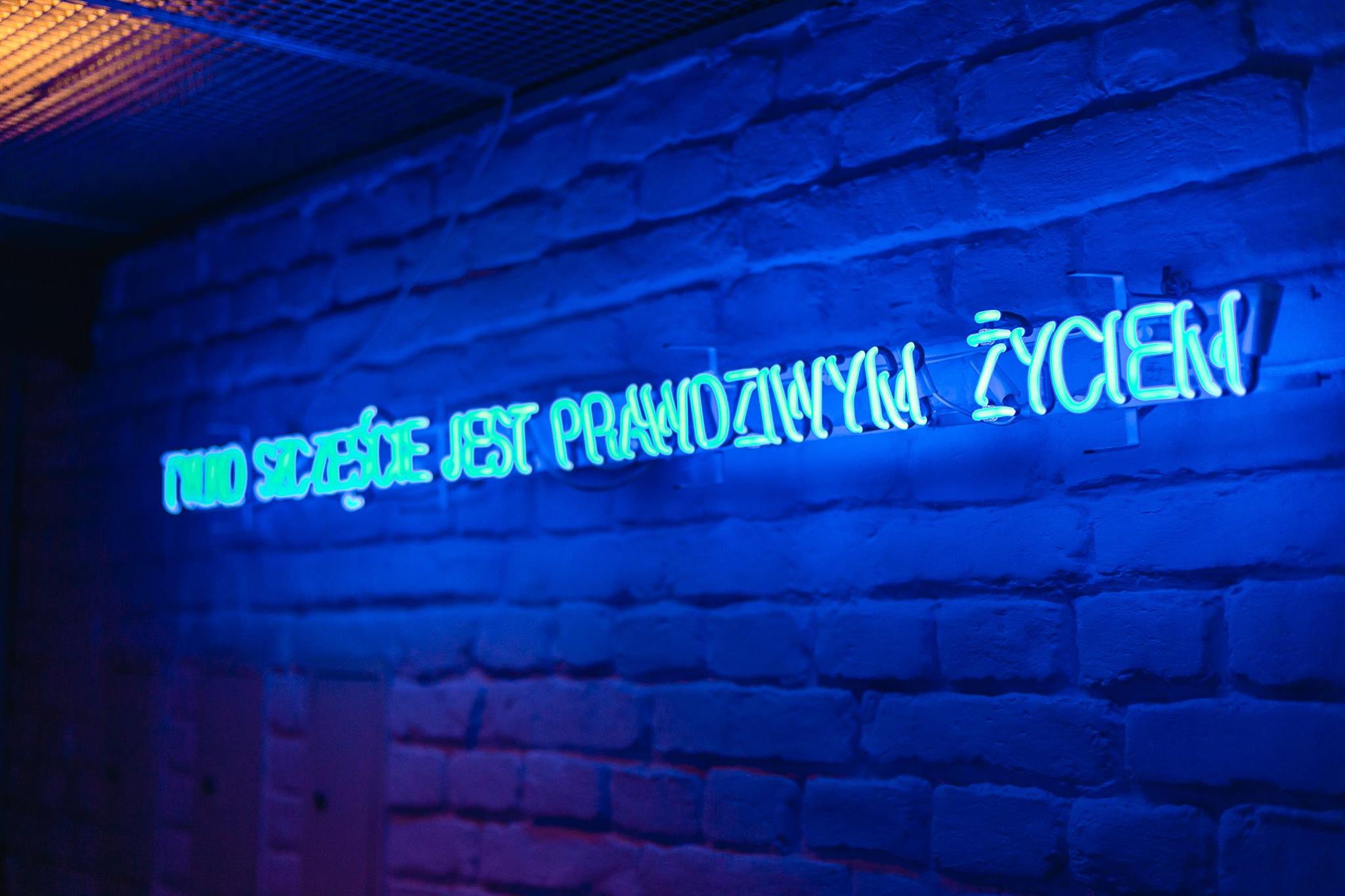
Cover Image: a fragment of the exhibition by the Center for Urban History "Zuzanna Ginczanka. Only Happiness is Real Life" (2018) / Bohdan Yemets