
Between Nostalgia and Postmemory: Ukraine as a Lost and Found Home


Dr. Vladyslava Moskalets
Center for Urban History4.10.2025, 16:00
Rivne Regional Universal Scientific Library
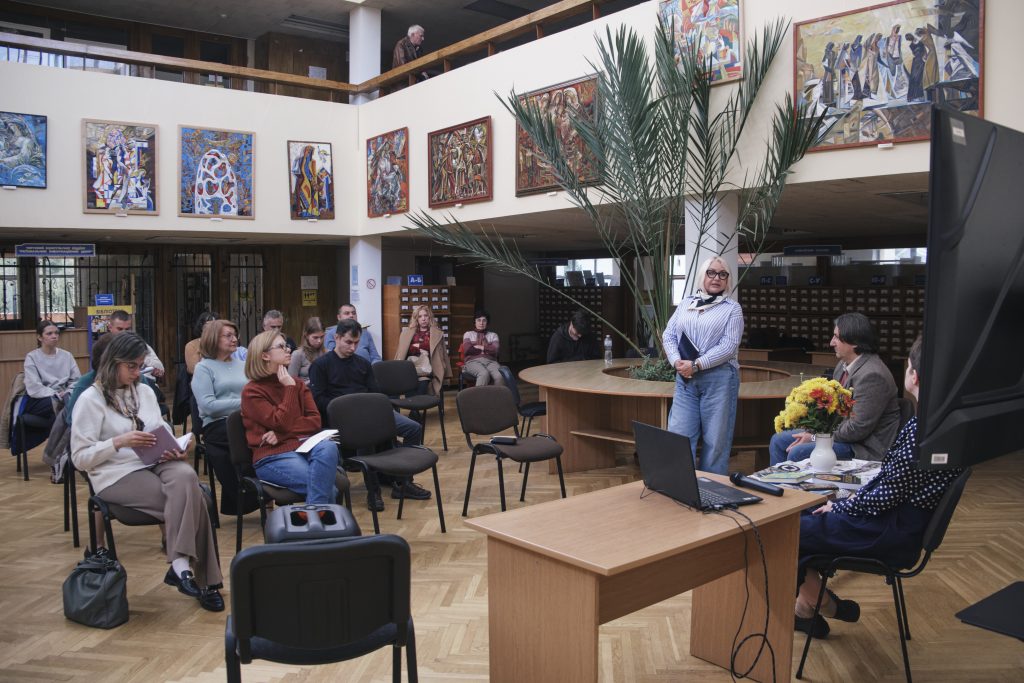
We invite you to attend a lecture by historian Vladyslava Moskalets as part of the public series "Weaving Heritage" of the project "REHERIT 2.0: Shared Responsibility for Common Heritage".
Ukrainian cities, towns, and villages often appear in literature and film as lost, forgotten, and at the same time rediscovered places of the Jewish community. Jonathan Safran Foer's novel Everuthing is Illuminated, about the journey of American Jews to the Volyn town of Trohimbrid, the film STTL, about an unnamed town on the eve of World War II, or Amos Oz's book A Tale of Love and Darkness, which recalls prewar Rivne, show the complex intertwining of emotions and relationships with these places. For the authors, these are spaces of childhood memories and rich Jewish culture, but also painful reminders of the destruction of communities during the Holocaust. "Roots Journeys" to Ukraine and Poland are also often full of contradictory feelings. The generations born after the tragedy live through this experience through postmemory – the trauma inherited from their parents and grandparents and at the same time attachment.
During the lecture, we will discuss how Ukrainian cities became part of Jewish collective memory, and how they were remembered and rediscovered after the fall of the Iron Curtain. We will also discuss how Russia's current war against Ukraine, which has forced many Ukrainians to flee their homes, is actualizing the question of losing and finding home. We will try to think about how the roles of guides, translators, or memory keepers help us to understand ourselves more deeply and see new shades of our own belonging.
The lecture will be moderated by Petro Dolhanov.

Dr. Vladyslava Moskalets
Center for Urban HistoryVladyslava received PhD in history in 2017 in Krakow. At the Center for Urban History, Vladyslava is conducting a research project on the urban elites of Lviv in the second half of the 19th and the beginning of the 20th centuries. The study identifies urban elites by their economic status and status in society and traces the links between them and the specifics of social mobility. Research interests: Jewish history of Eastern Europe in the 19th and 20th centuries, history of consumption, women’s studies, Yiddish and linguistic diversity
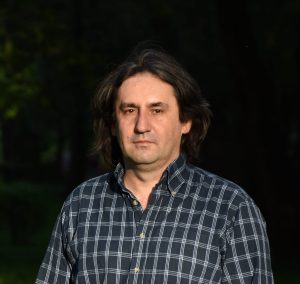
Petro Dolhanov
Rivne Regional Institute of Postgraduate Pedagogical EducationPhD in History, Associate Professor of the Department of Teaching Methods at the Rivne Regional Institute of Postgraduate Pedagogical Education, a member of the Mykola Haievoi Center for Contemporary History, editor of the section “Overcoming the Past” and guest editor of a special thematic issue on the Holocaust in the journal Ukraina Moderna.
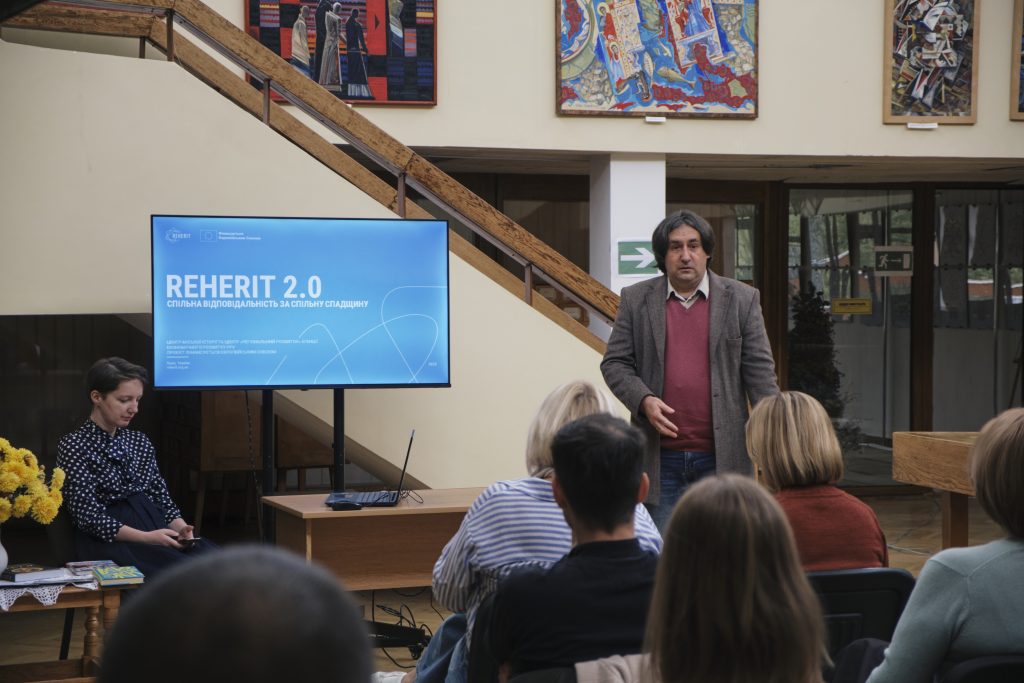
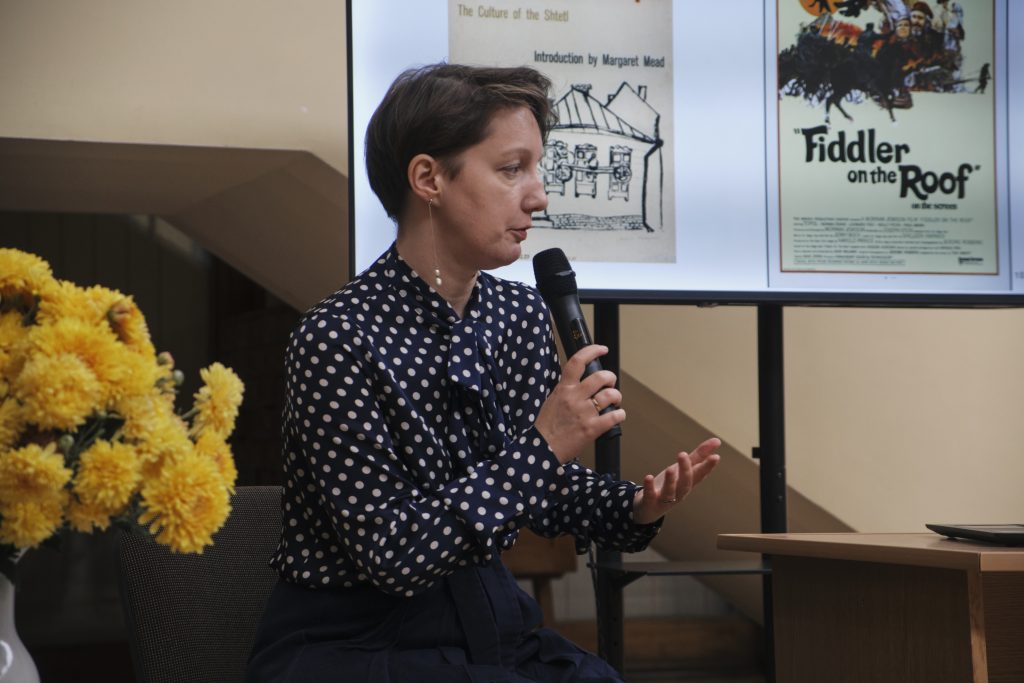
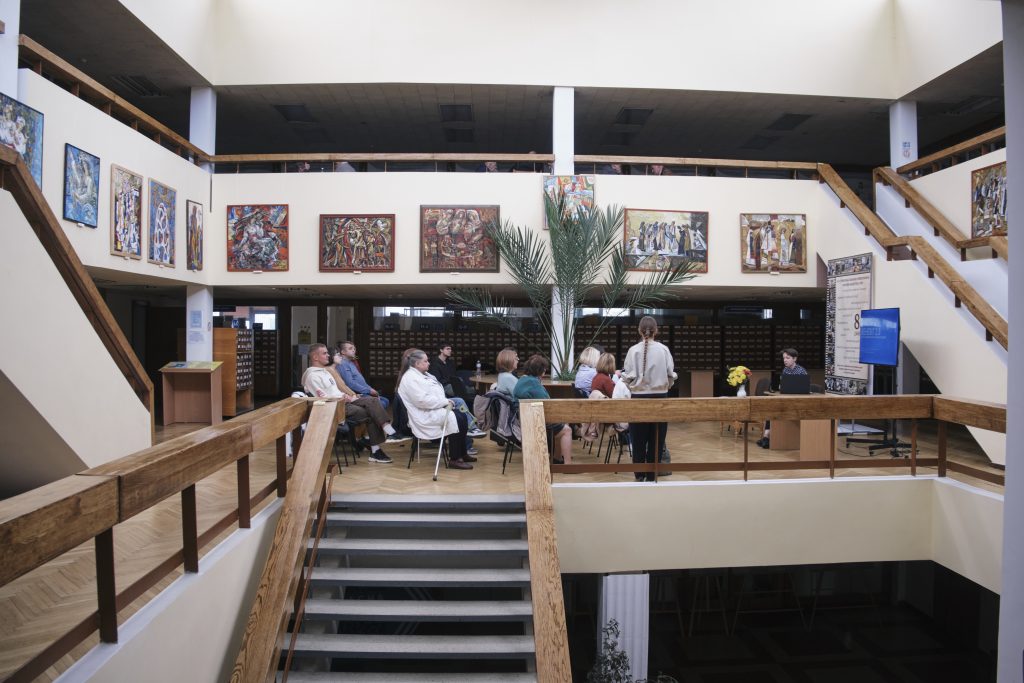
"Weaving the Heritage" series is a public program of the "REHERIT 2.0: Common Responsibility for Shared Heritage" project. "REHERIT 2.0 is implemented by the Center for Urban History and the Regional Development Center of the PPV Economic Development Agency with the financial support of the European Union.
This publication was produced with the financial support of the European Union. Its contents are the sole responsibility of the partners of the "REHERIT 2.0" project and do not necessarily reflect the views of the European Union.

Credits
Cover Image: still frame from Everything is Illuminated, 2005, dir. Liev Schreiber
Gallery: Iryna Didyk