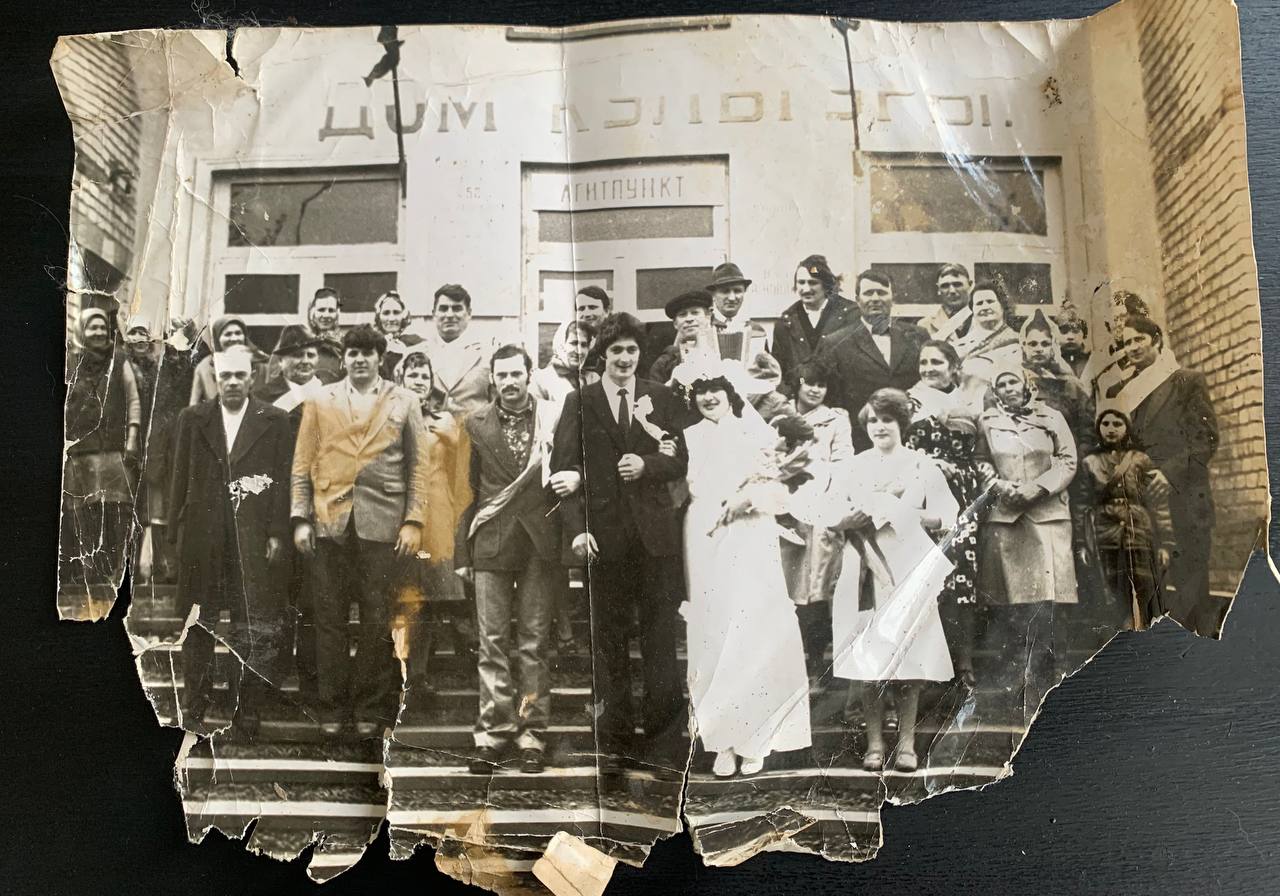
Photos from Vasyukivka: Preservation through Digitization


29.7.2025, 17:00
Conference room of the Center for Urban History
The village of Vasyukivka in Donetsk Oblast is not the prototype of the area where the events of Vsevolod Nestayko's novel The Toreadors of Vasyukivka take place, but it has become the basis for another story. The one around which the project "Vasyukivka. Burnt Land" project by the Center for Digital History in Rivne developed around it.
The settlement on the front line is undergoing systemic destruction as a result of Russian aggression. Residents are forced to leave their homes in search of a safe place to live. Often, the rush to evacuate and emotional attachment to a place with the thought of returning home soon force families to leave material and symbolic values in their homes. Among these things left behind are frequently family albums, diaries, and private documents. The realities of the war each time postpone or even make it impossible for the owners to return for them. And if they do return, where do they find what they left behind?
Since 2022, we have repeatedly heard stories of family photo albums being rescued. Vasyukivka also has a story of its own. Amid the ruins of the village, Ihor Samsoniuk, a current serviceman and employee of the Rivne Museum of Local Lore, found a private archive of a family whose members managed to evacuate. Among the materials found are photographs, documents, letters, and postcards from the 1935s and 1990s that document the lives of several generations of residents of Vasyukivka and nearby settlements, including Kramatorsk, Slovyansk, and others. The findings were preserved by digitizing 9,000 objects, and since May they have been available on the project's website and in the exhibition of the Center for Digital History's "Vasyukivka. Burnt Land" curated by Tetiana Samsoniuk.
How did a private family archive found on the front line become the object of research? What challenges did the team face when processing these materials? What is the ethical dimension of working with photo albums, which turn into sources in the hands of researchers? What legal issues have to be resolved before publishing this and similar orphaned collections? How do the project authors see the future of documents/artifacts from Vasyukivka?
These and other questions will be answered during the seminar "Photos from Vasyukivka: Preservation through Digitization" with the participation of Tetiana Samsoniuk (Center for Digital History) and Liana Blikharska (Center for Urban History).
The event will be held as part of the HeritEDGE: Digital Archiving and Research project of the Center for Urban History with the support of the University of St. Andrews.
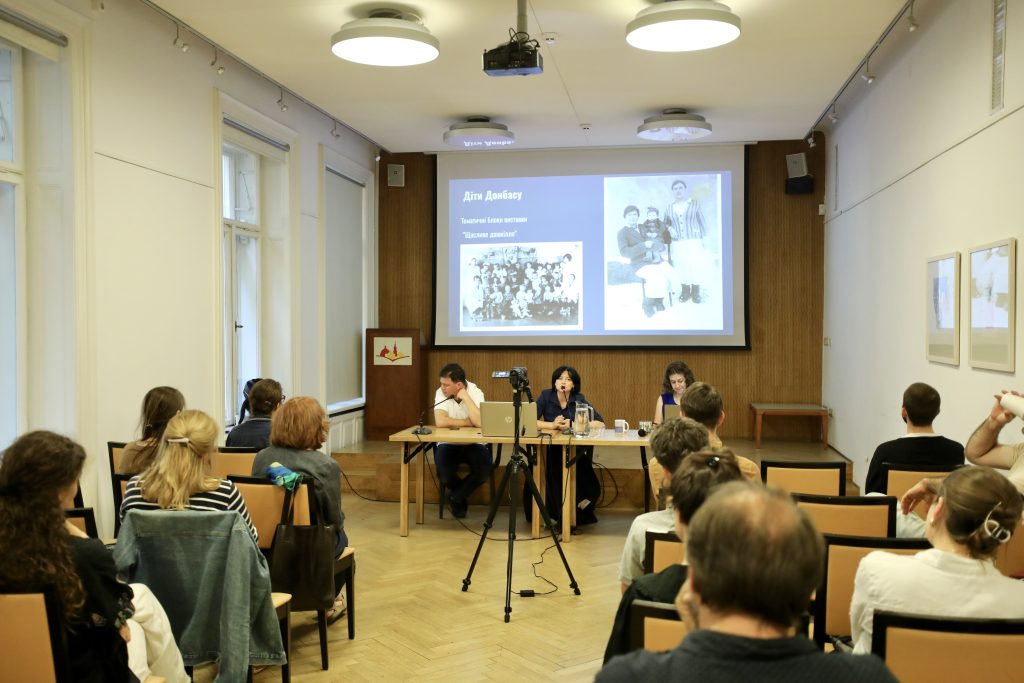
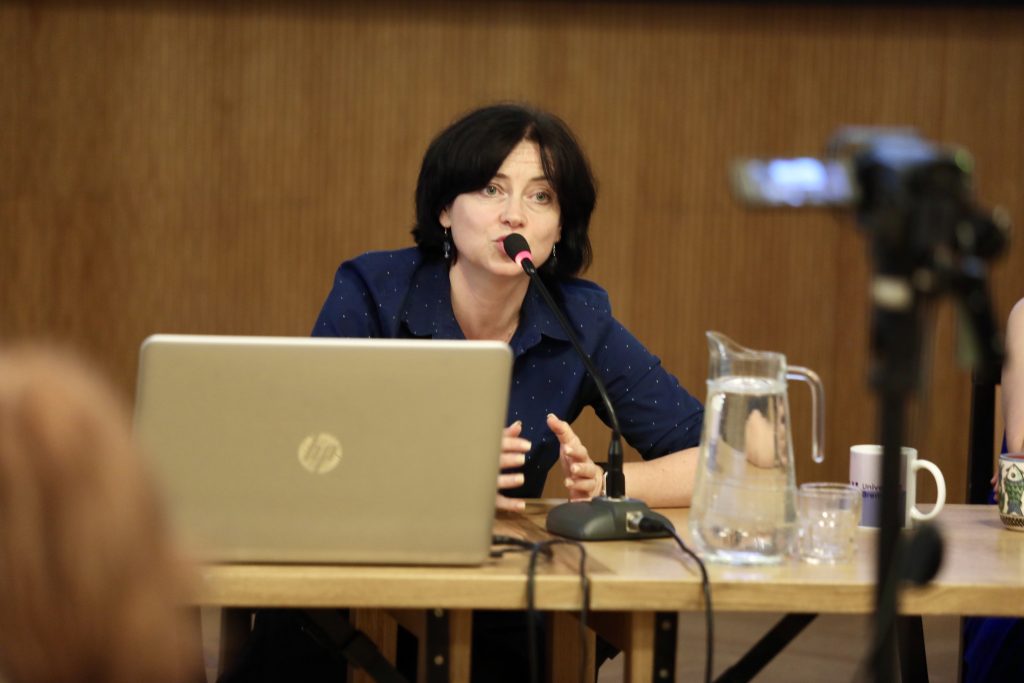



Credits
Cover Image: saved photo from the collection of the "Photos from Vasyukivka: Preservation through Digitization" project
Gallery: Iryna Sereda