З місця на місце: історії з розпорошених архівів
|
From Place To Place: Stories From Scattered Archives
|
Публічна програма та виставка-лабораторія
Наприкінці серпня розпочалась публічна програма та виставка проєкту REHERIT 2.0 “З місця на місце: історії з розпорошених архівів”, що розгортається навколо архівів різних поколінь і спільнот. До кінця року виставка-лабораторія та супровідна програма відбуватимуться у Львові, Буську, Жовкві, Збаражі, Підволочиську і Волочиську. Через історії звичайних квартир, вулиць та будівель, які ми успадкували разом із нерозказаними оповідями, спробуємо помислити: як говоримо про те, про що голосно мовчимо?
|
Public Program and Exhibition-Lab
At the end of August, the public program and exhibition of the REHERIT 2.0 project, “From Place to Place: Stories from Scattered Archives,” began. The project centers on the archives of different generations and communities. Until the end of the year, the exhibition-lab and public program will take place in Lviv, Busk, Zhovkva, Zbarazh, Pidvolochysk, and Volochysk. Through the stories of ordinary apartments, streets, and buildings—which we have inherited along with their untold tales—we will try to reflect: how do we speak about what we are loudly silent about?
|
|
Жовква в архівах: місто, люди, джерела
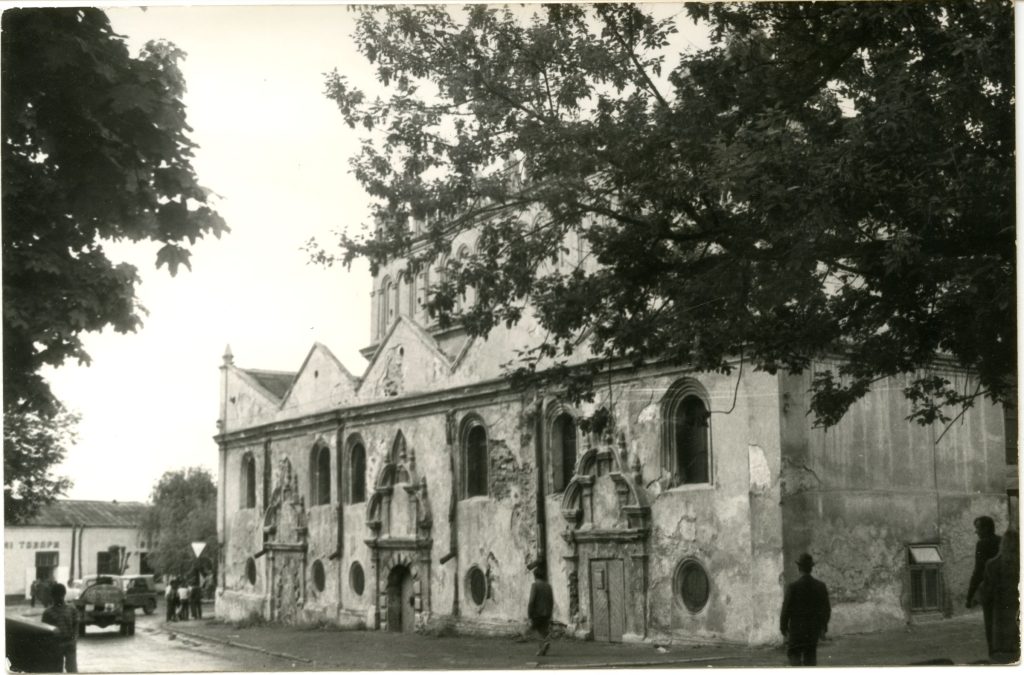
2 вересня з 14:00 до 20:00 у Жовкві запрошуємо містян безкоштовно оцифрувати приватні архіви: фотографії на ринковій площі або у парку, на робочому місці у школі, лікарні чи склозаводі; зафільмовані кадри сімейних подій, відпочинку та міських святкувань на кіноплівках 8 мм чи 16 мм. Під час події ми поговоримо про важливість збереження сімейних архівів, а також переглянемо оцифровані кінофільми з колекцій Міського медіаархіву Центру.
|
Zhovkva in Archives: The Town, People, Sources
On September 2, from 14:00 to 20:00 in Zhovkva, we invite residents to have their personal archives digitized for free: photographs taken at the market square or in the park, at work—whether at school, a hospital, or a glass factory; footage of family events, vacations, and city celebrations recorded on 8 mm or 16 mm film. During the event, we’ll discuss the importance of preserving family archives and screen digitized films from the Center’s Urban Media Archive collections.
|
|
Простір, який ховає: архітектура виживання
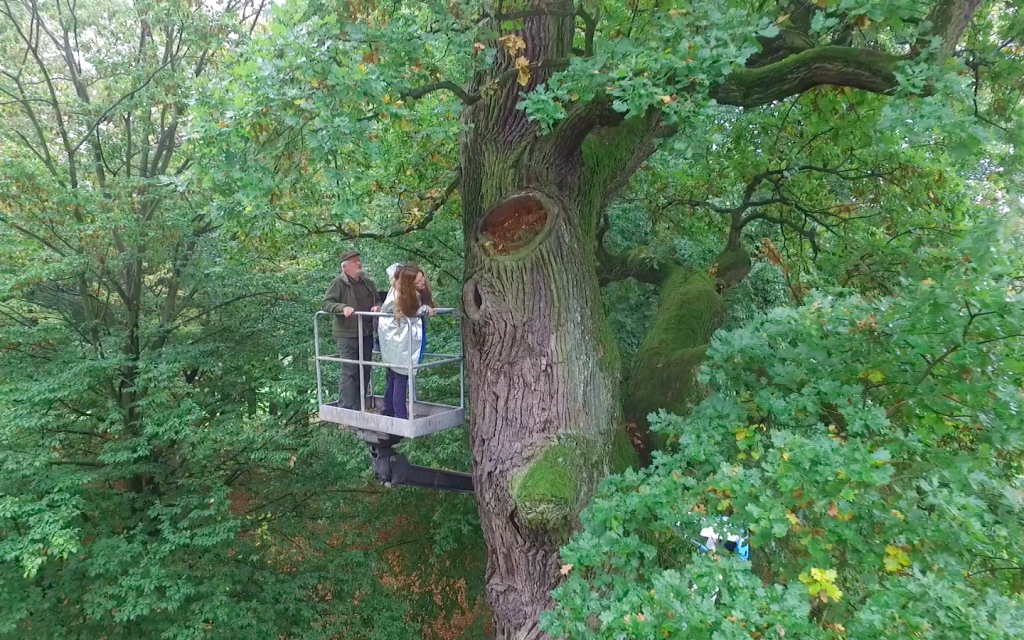
3 вересня о 18:30 запрошуємо в Jam Factory Art Center на публічну розмову Наталії Ромік, Куби Шредера та Ліани Бліхарської за модерації Богдана Шумиловича про сховки часів Другої світової війни, коли шафи, стіни, каналізації, дупла дерев, печери й порожні могили ставали прихистком й допомагали вижити. Що може вмістити сховок, окрім людей? Як змінюється межа між приватним і публічним, коли йдеться про виживання? Як дослідити місце, створене для того, щоб залишатися невидимим?
|
Hideouts: Architecture Of Survival
On September 3 at 18:30, Jam Factory Art Center will host a public discussion with Natalia Romik, Kuba Szreder, and Liana Blikharska, moderated by Bohdan Shumylovych about hiding places during World War II, when closets, walls, sewers, tree hollows, caves, and empty graves became shelters and helped people survive. What else can a hideout contain besides people? How does the boundary between the private and the public shift when survival is at stake? How can we explore a space created to remain invisible?
|
|
Підземний світ: історія виживання у львівських каналізаціях
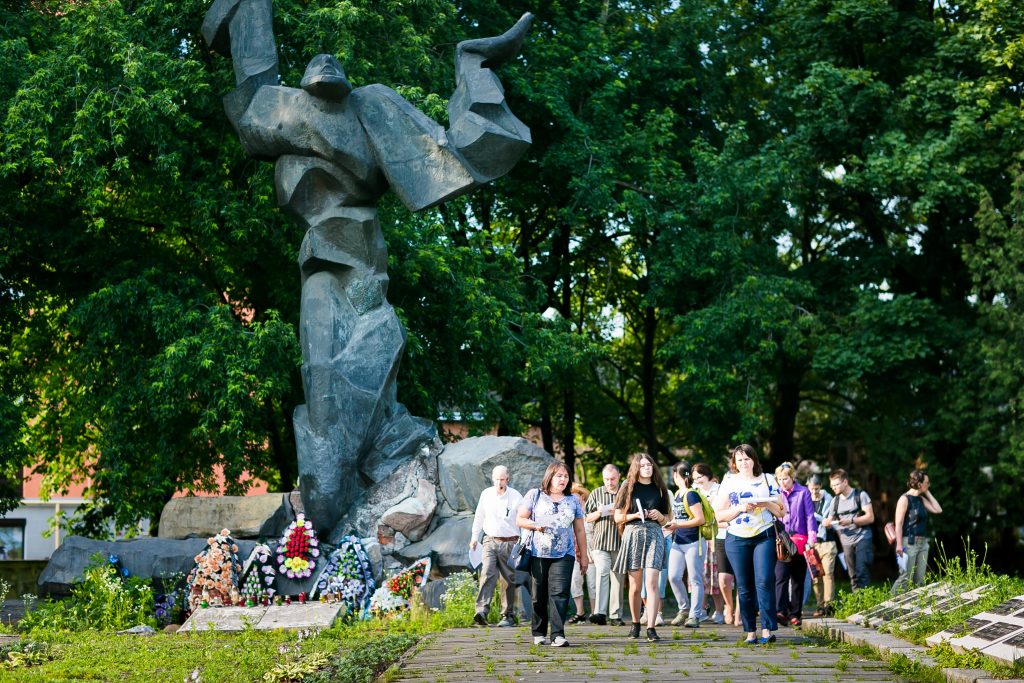
5 вересня об 11:00 відбудеться міська прогулянка з Оленою Колб, під час якої пройдемо повз будинки, церкви і костели, ринки і фонтани, пам’ятники та інші місця Львова, які довший час асоціювались радше з мирним життям. Проте під час Другої світової війни вони були свідками як загибелі третини львів’ян, так і дивовижних історій порятунку невеликих груп євреїв. Історія виживання родини Хіґерів буде нашим провідником простором сучасного міста.
|
Underworld. Holocaust Survival In The Sewers Of Lviv
On September 5 at 11:00, a city walk with Olena Kolb will take place; during which we will pass by houses, churches, markets and fountains, monuments, and other sites in Lviv that have long been associated more with peaceful life. However, during World War II, these sites witnessed both the deaths of one-third of Lviv’s residents and the remarkable stories of small groups of Jews who were saved. The story of the Higer family’s survival will serve as our guide through the modern city.
|
|
Десять років "Східно-західній вулиці"
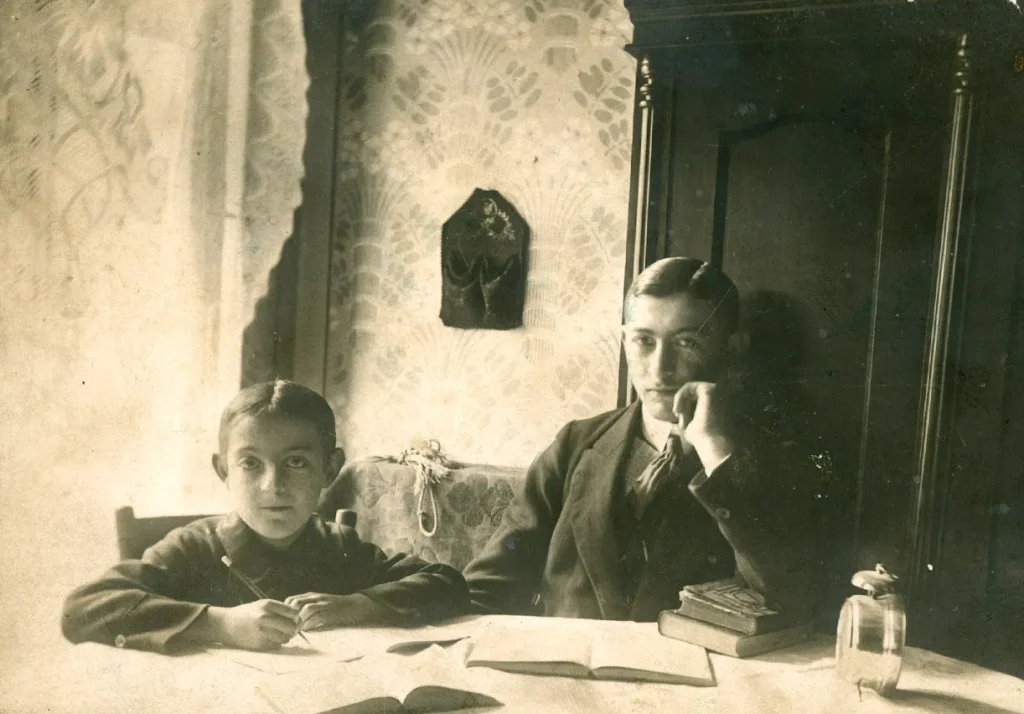
12 вересня о 18:30 запрошуємо на публічну розмову із Філіпом Сендсом, Софією Дяк та Мар’яною Савкою, під час якої згадаємо, як з’явилася книга “Східно-західна вулиця”, поміркуємо, як її сприйняли, та розглянемо її вплив на розуміння історії міжнародного права. Що книга про походження понять “геноцид” та “злочини проти людяності” може сказати місту та континенту, які знову живуть в умовах війни? Модеруватиме розмову Наталі Нуґайред.
|
Ten Years Of "East West Street"
On September 12 at 18:30, we invite you to a public discussion with Philippe Sands, Sofia Dyak, and Marjana Savka, during which we will discuss how the book “East-West Street” came to be, reflect on how it was received, and examine its impact on our understanding of the history of international law. What can a book about the origins of the concepts of “genocide” and “crimes against humanity” tell a city and a continent that are once again living under conditions of war? The event will be moderated by Natalie Nougayrède.
|
|
Львів, право, (не)справедливість
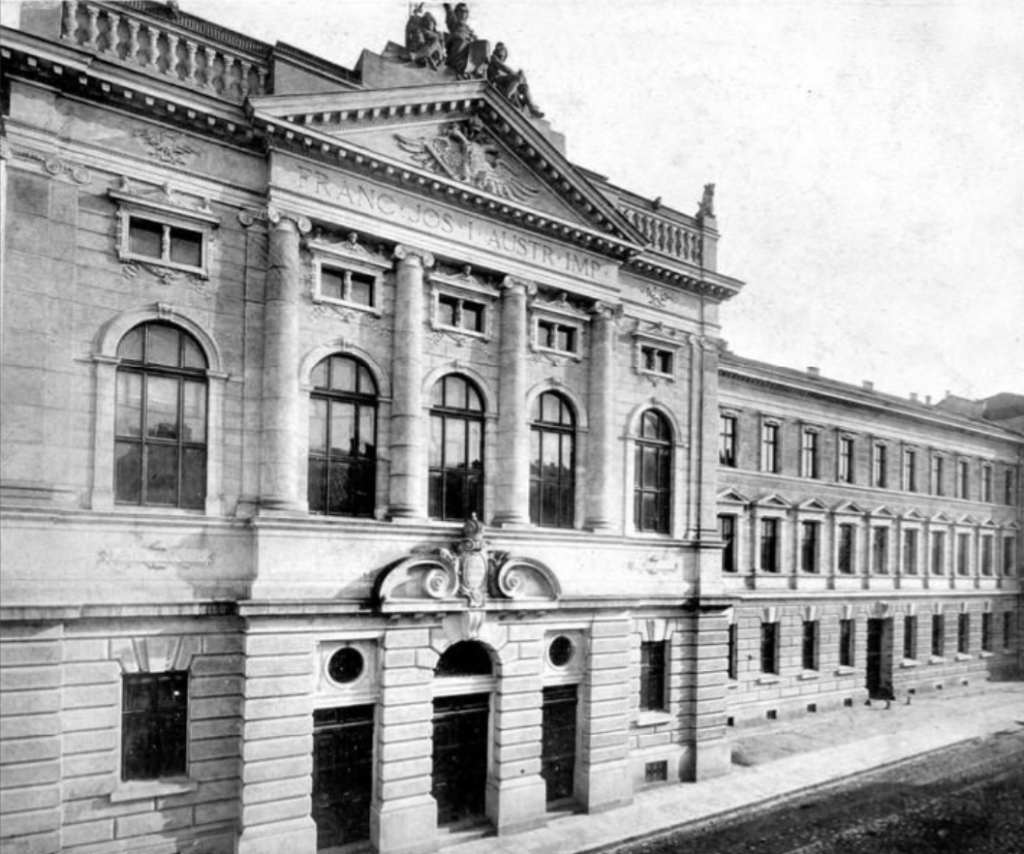
13 вересня о 10:30 міська прогулянка Інни Золотар розгорнеться навколо біографій юристів та львівської правничої школи. Разом ми помислимо, як місто та його особливості формували характери, і як соціальні зв’язки, набуті у львівських кав’ярнях, вплинули на створення нової системи міжнародного права.
|
Lviv, Law, (In)Justice
On September 13 at 10:30, Inna Zolotar’s city walk will focus on the biographies of lawyers and the Lviv School of Law. Together, we will explore how the city and its unique characteristics shaped their personalities, and how the social connections forged in Lviv’s coffeehouses influenced the creation of a new system of international law.
|
|
Східно-західна вулиця: пісня добра і зла
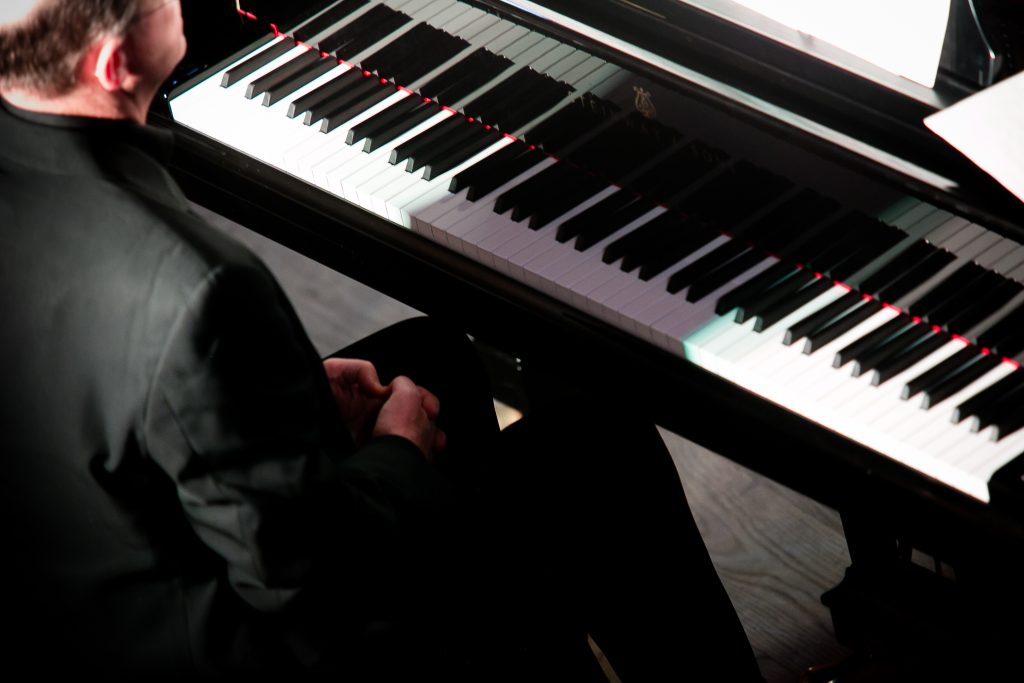
13 вересня о 18:00 Філіп Сендс проведе перформанс-лекцію, де простежить переплетені історії Герша Лаутерпахта та Рафаеля Лемкіна, правознавців, які започаткували поняття “злочинів проти людяності” та “геноциду”. Супроводжуватиме Сендса піаніст Ґійом де Шассі. Реєстрація буде доступна згодом.
|
East West Street: A Song Of Good And Evil
On September 13 at 18:00, Philippe Sands will give a performance-lecture tracing the intertwined stories of Hersch Lauterpacht and Raphael Lemkin, the legal scholars who coined the terms “crimes against humanity” and “genocide.” Sands will be accompanied by pianist Guillaume De Chassy. The registration will be open soon.
|
|
Досвід кордонів. Міжнародна конференція
|
Experiencing the Borders. International Conference
|
Досвід кордонів: довгі 1940-і та їхня спадщина у (Східній) Європі
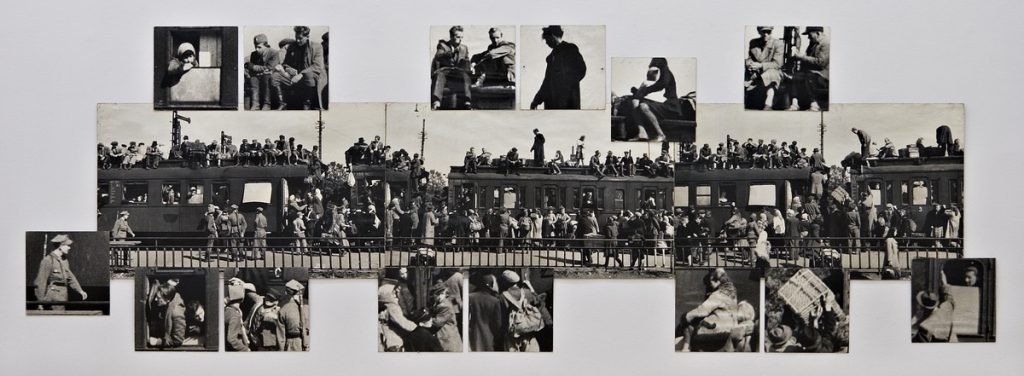
16-18 вересня у Центрі проходитиме конференція, що зосередиться на численних кордонах у Європі, які були проведені та перекреслені, випробувані та встановлені, переміщені та зафіксовані протягом довгих 1940-х років – періоду насильства та потрясінь, визначеного анексією, війною, окупацією та післявоєнним врегулюванням.
|
Experiencing the Borders: The Long 1940s and Their Legacies in (Eastern) Europe
On September 16-18, the Center will host the international conference, which will focus on Europe’s multiple borders, that were drawn and redrawn, experienced and installed, moved and secured throughout the long 1940s—a period of violence and upheaval shaped by annexation, war, occupation, and postwar settlements.
|
|
Досвідчення кордонів сьогодні: війна, мобільність, перетини
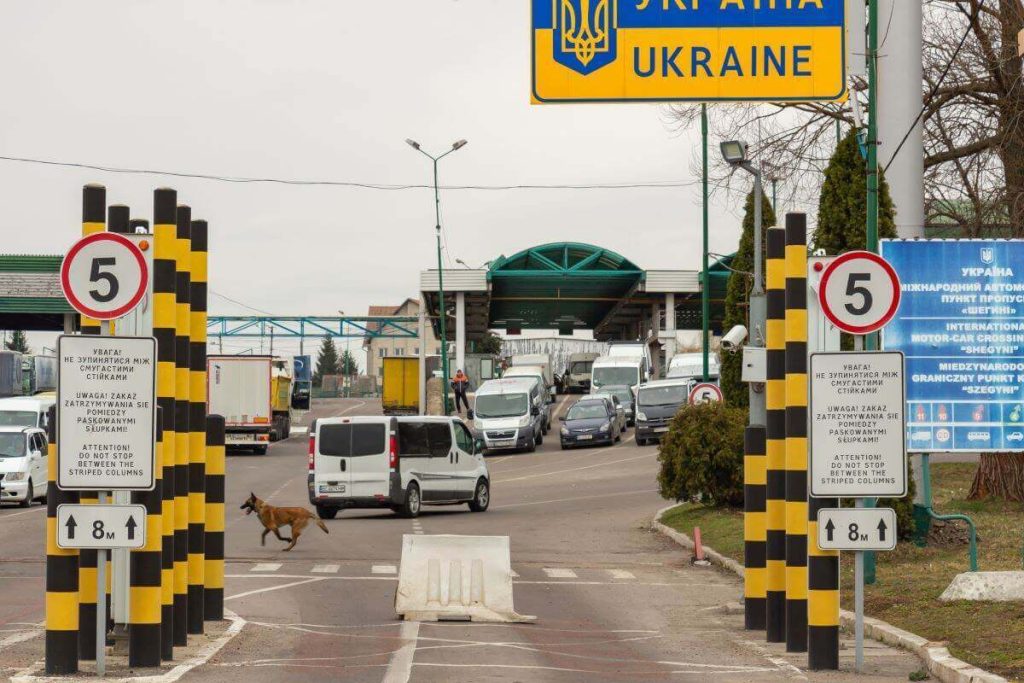
18 вересня о 18:30запрошуємо долучитись до круглого столу про сучасний досвід перетину кордону. Подія об’єднає людей, які розмірковують про польсько-український кордон і працюють з ним з різних точок зору: соціологиню Йоанну Конечну-Саламатін; політологиню Тетяна Журженко та журналістку Наталі Нуґайред; Ганнелоре Вальєр, представницю місії ЄС ; а також генерального консула Польщі у Львові Марека Радзівона.
|
Experiencing Borders Today: War, Mobility, Crossings
On September 18 at 18:30, we invite you to join a roundtable discussion on current experiences with crossing the border. The event will bring together people who reflect on and engage with the Polish-Ukrainian border from various perspectives: sociologist Joanna Konieczna-Sałamatin; political scientist Tetyana Zhurzhenko; journalist Natalie Nougayrède; Hannelore Valier, a representative of the EU Advisory Mission; and Marek Radziwon, Consul General of Poland in Lviv.
|
|
Стипендіати
|
Center's Fellows
|
Іван Мойсієнко
Професор, доктор біологічних наук, Заслужений діяч науки і техніки України. З 1996 року працює в Херсонському державному університеті; наразі – на посаді професора кафедри ботаніки. У рамках стипендії з документування та архівування війни LivArch у Центрі буде вивчати саме вплив війни на біорізноманіття на об’єктах культурної спадщини в межах Херсонської області.
|
Ivan Moysiyenko
Professor, Doctor of Biological Sciences, Honored Worker of Science and Technology of Ukraine. He has been working at Kherson State University since 1996; he currently holds the position of professor in the Department of Botany. As part of the LivArch scholarship for documenting and archiving the war, he will study the impact of the war on biodiversity at cultural heritage sites within the Kherson region
|
|
Олександр Коломийчук
Етнолог, антрополог, кандидат історичних наук, науковий співробітник відділу “Український етнологічний центр” Інституту мистецтвознавства, фольклористики та етнології ім. М. Т. Рильського НАН України. У рамках стипендії з документування та архівування війни LivArch продовжує дослідження емпатії як інструмента в “полі” сучасної російсько-української війни, що застосовується у проміжку від документування до оприлюднення свідчень.
|
Olexandr Kolomyichuk
Ethnologist, anthropologist, PhD in history, research fellow in the “Ukrainian Ethnological Centre” at the Institute of Art Studies, Folkloristics, and Ethnology of the Academy of Sciences of Ukraine. During the LivArch fellowship for documentation and archiving of the war, he will continue his research on empathy as a key tool in the “field” of the Russian-Ukrainian war, applied across the spectrum from documentation to the publication of testimonies.
|
|
Френсіс Танзер
Професорка кафедри досліджень Голокосту та єврейської культури імені Роуз, а також доцентка кафедри історії у Центрі досліджень Голокосту та геноциду імені Страсслера при Університеті Кларка. Під час резиденції в Центрі міської історії Танзер продовжить роботу над “Династією клезмерів”, зосередившись, зокрема, на дослідженнях, пов’язаних із Львівською консерваторією та, ширше, з Голокостом у Львові та його околицях.
|
Frances Tanzer
She is the Rose Professor for Holocaust Studies and Jewish Culture and Associate Professor of History at the Strassler Center for Holocaust and Genocide Studies at Clark University. During her residency at the Center for Urban History, she will pursue work on “Klezmer Dynasty,” focusing in particular on research related to the Lviv Conservatory and, more generally, the Holocaust in Lviv and its environs.
|
|