Зголошення
|
Call for Applications
|
Численні цифрові життя міської історії
До 15 липня триває зголошення на участь у конференції “Численні цифрові життя міської історії”, що досліджує методологічні зв’язки між міською історією та цифровою гуманітаристикою. Її мета — осмислити складність історії міста і культурних чи соціальних контекстів у ньому за допомогою цифрових інструментів.
|
Many Digital Lives of Urban History
Until July 15, we are accepting applications for the conference “Many Digital Lives of Urban History,” which explores the methodological connections between urban history and the digital humanities. Its goal is to examine the complexity of a city’s history and its cultural and social contexts using digital tools.
|
|
Відкриваючи спільне: пам'ять, історії та культурна спадщина
У межах проєкту “REHERIT 2.0: Спільна відповідальність за спільну спадщину” розпочинається грантова програма, що має на меті підтримати ініціативи в громадах, які досліджують, осмислюють, зберігають і розвивають мультикультурну спадщину як ресурс для порозуміння та стійкості. Дедлайн подання: 30 липня.
|
Discovering Shared Heritage: Memory, Stories, and Cultural Heritage
As part of the “REHERIT 2.0: Shared Responsibility for Shared Heritage” project, a grant program is launching to support community initiatives that explore, reflect on, preserve, and develop multicultural heritage as a resource for understanding and resilience. Application deadline: July 30. (In Ukrainian)
|
|
Події
|
Events
|
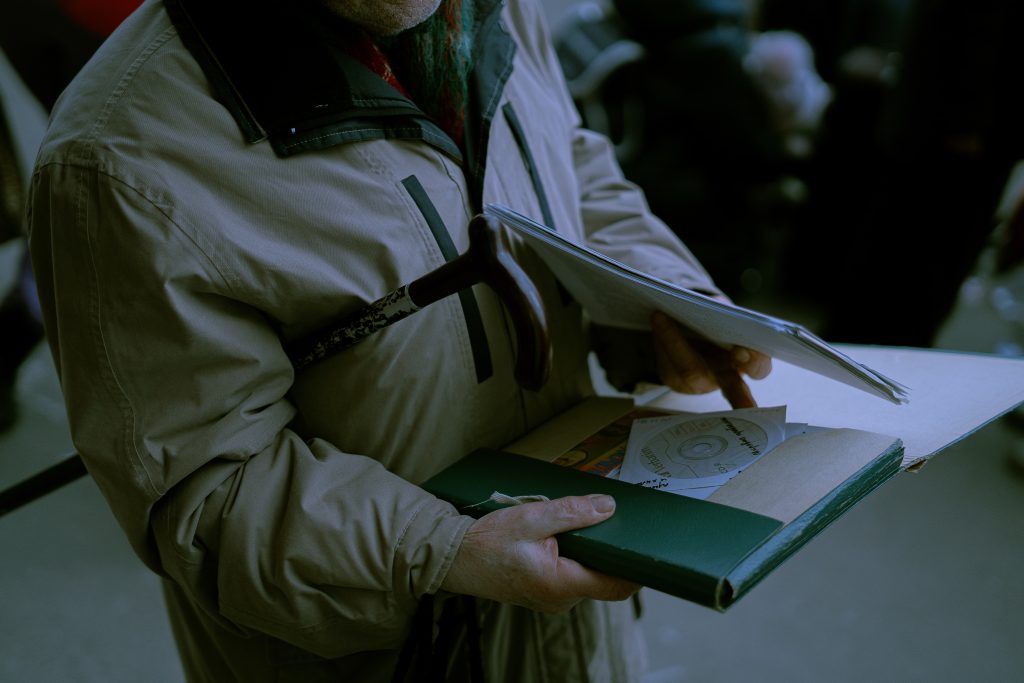
Свідчення як доказ: документування війни, доля свідчень та "факту"
8 липня о 15:00 запрошуємо на міський семінар за участі Романа Коваля про те, як практики документування воєнних злочинів організовують співвідношення між логікою доказу та логікою пережитого, як вимога доказовості впливає на структуру джерела та що це означає для розуміння факту й майбутнього історичного письма.
|
Testimony as Evidence: Documenting War, the Fate of Testimony, and the "Fact"
On July 8 at 15:00, we invite you to an Urban Seminar with Roman Koval on how practices of documenting war crimes shape the relationship between the logic of evidence and the logic of experience, how the requirement for evidence affects the structure of a source, and what this means for our understanding of the facts and for future historical writing.
|
|
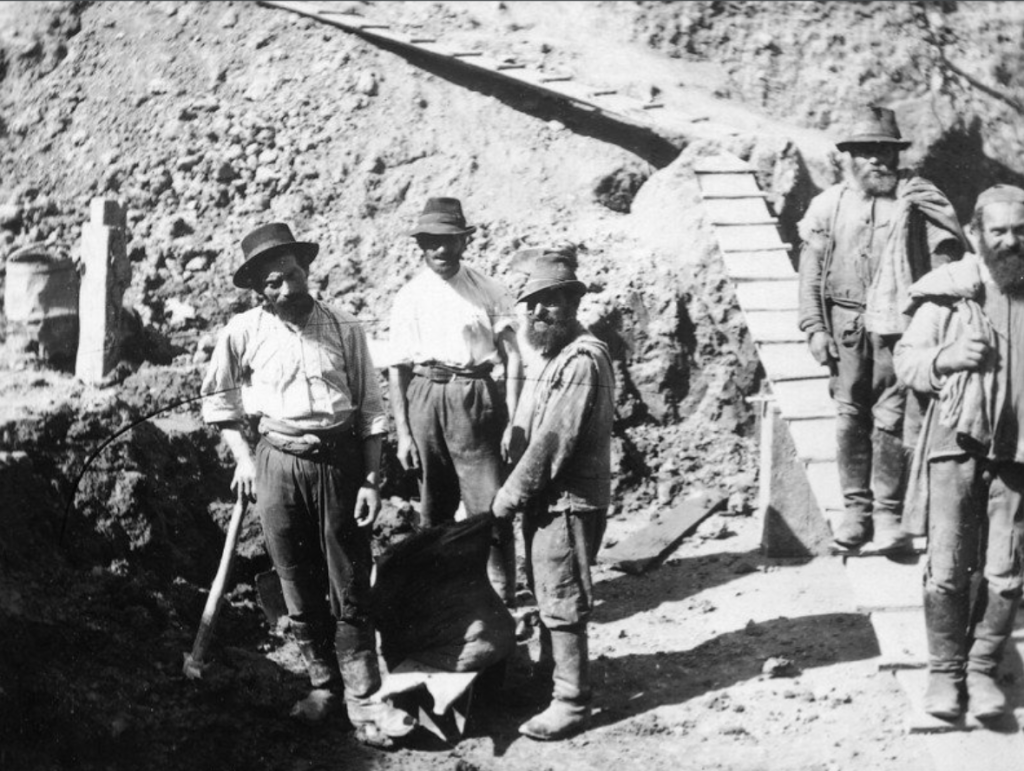
Криза безробіття та уявлення про порятунок у нафтовому басейні Борислава
15 липня о 18:30 Владислава Москалець прочитає лекцію про Бориславську нафтову мрію, яка попри стрімкий успіх співіснувала з реальними проблемами, серед яких був брак інфраструктури та безпеки на копальнях. Криза єврейських робітників у Бориславі та загальна бідність змусили заново переосмислити питання приналежності і майбутнього галицьких євреїв.
|
The Unemployment Crisis and Ideas of Relief in the Boryslav Oil Basin
On July 15 at 18:30, Vladyslava Moskalets will give a lecture on the Boryslav oil dream, which, despite its rapid success, was accompanied by real problems, including a lack of infrastructure and safety at the mines. The crisis facing Jewish workers in Boryslav and widespread poverty forced a reevaluation of the question of belonging and the future of Galician Jews.
|
|
Поза каноном: неочевидні біографії, ідеї та траєкторії XX століття
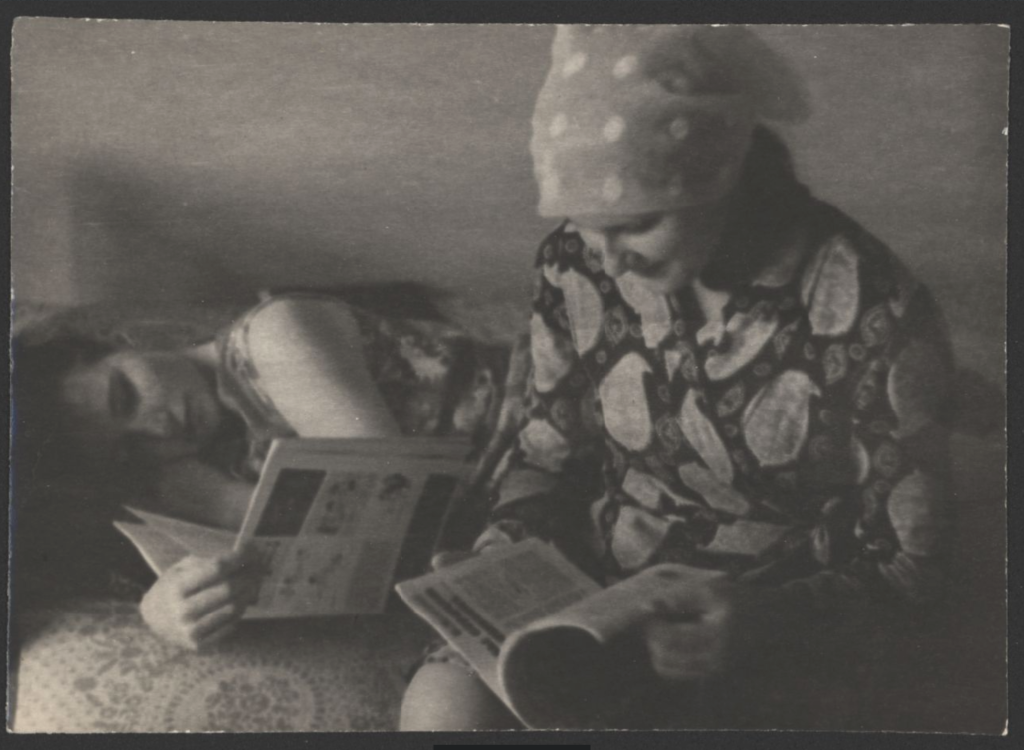
16 липня о 18:30 запрошуємо на розмову Марсі Шор та Уляни Кирчів про формування канонів та про неочевидні інтелектуальні історії та життєписи Ірени Кронської та Петра Равича. Як нам бути уважнішими до людей, які не є частиною усталених канонів? Як писати про них, не підважуючи їхньої ролі, без патерналізму і ієрархізації? Що про нас кажуть прогалини у нашому знанні?
|
Outside the Canon: Unconventional Biographies, Ideas, and Trajectories of the 20th Century
On July 16 at 18:30, we invite you to a conversation with Marci Shore and Ulyana Kyrchiv about the formation of canons and the lesser-known intellectual histories and biographies of Irena Kronska and Petro Ravych. How can we be more attentive to people who are not part of established canons? How can we write about them without undermining their roles? What do the gaps in our knowledge say about us?
|
|
|
|
Рахель Ауербах. Львівські хроніки
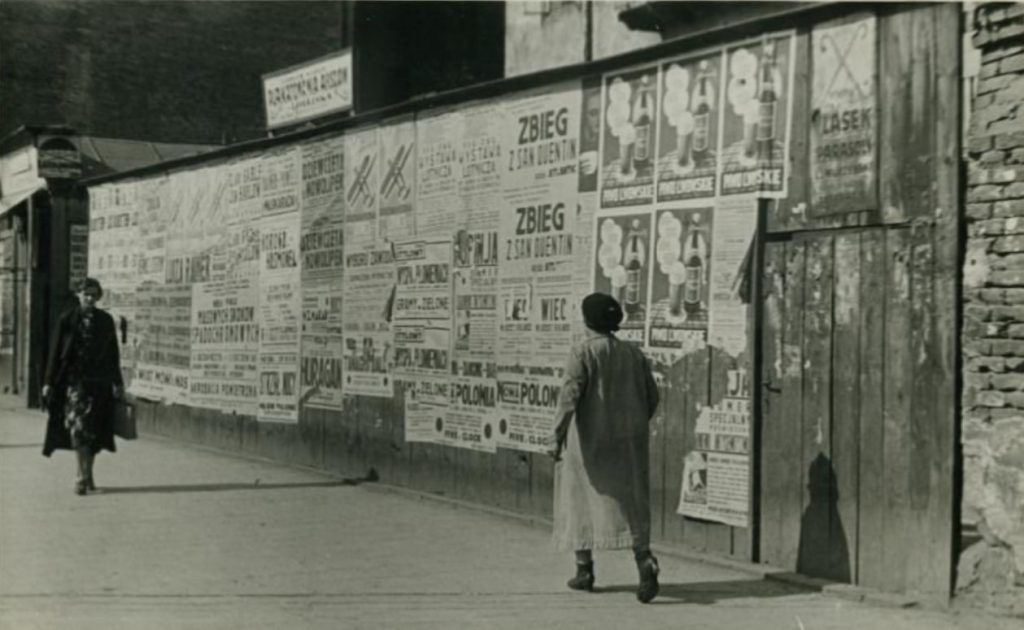
25 липня об 11:00 запрошуємо на міську прогулянку з Інною Золотар, що розгортатиметься навколо постаті Рахелі Ауребах – авторки хроніки Варшавського ґетто, членкині “Онег Шабат”, львівської публічної інтелектуалки. Під час прогулянки ми поговоримо про її шляхи та перехрестя, родину та спільноту, вибори та виклики. А також про те, де шукати Львів в діяльності Ауербах, а де можна знайти сліди Рахелі у Львові.
|
Rachel Auerbach. Lviv Chronicles
On July 25 at 11:00, we invite you to join a city walk with Inna Zolotar, which will focus on the life of Rachel Auerbach—author of the chronicle of the Warsaw Ghetto, member of “Oneg Shabbat,” and a public intellectual. During the walk, we’ll talk about her journey and the crossroads she faced, her family and community, her choices and challenges. We’ll also discuss where to find traces of Lviv in Auerbach’s work, and where to find traces of Rachel in Lviv.
|
|
Стипендіати Центру
|
Center's Fellows
|
Катя Денисова
Історикиня мистецтва та кураторка, спеціалізується на візуальній культурі України та Центрально-Східної Європи на початку ХХ століття. Наразі працює над монографією про еволюції українських декоративних практик та народного мистецтва у першій половині ХХ століття. Під час резиденції в Центрі проводитиме архівні дослідження у львівських установах, пов’язаних із цим проєктом.
|
Katia Denysova
An art historian and curator specializing in the visual culture of Ukraine and Central and Eastern Europe in the early 20th century. She is currently working on a monograph about the evolution of Ukrainian decorative arts and folk art in the first half of the 20th century. During her residency at the Center, she will conduct archival research at institutions in Lviv related to this project.
|
|
Катажина Краковська
Соціологиня, випускниця Collegium Civitas у Варшаві, аспірантка Докторської школи соціальних наук Лодзького університету. Під час резиденції у Центрі працює над проєктом, метою якого є виведення на перший план голосів, які часто залишаються поза увагою, та підкреслення того, що літні жінки — це не лише об’єкти допомоги, а й носії історичної пам’яті та суб’єкти творення смислів в умовах розриву та вимушеного переміщення.
|
Katarzyna Krakowska
A sociologist, a graduate of Collegium Civitas in Warsaw, and a doctoral student at the Doctoral School of Social Sciences at the University of Łódź. During her residency at the Center, she is working on a project aimed at bringing to the forefront voices that are often overlooked and emphasizing that older women are not merely recipients of aid, but also bearers of historical memory and agents of meaning-making in the context of disruption and forced displacement.
|
|
Ребекка Месонжник
Аспірантка та стипендіатка програми Фулбрайта для аспірантів в Університеті Сент-Ендрюса. Під час резиденції в Центрі вона працює над дисертацією “Сила впливу та участь у музейному контексті: як українські музеї використовують партисипативні методи в програмах взаємодії з громадськістю”: проводить інтерв’ю з музейниками та працівниками культури, відвідує культурних установ у Львові та околицях.
|
Rebecca Mesonjnik
She is a PhD candidate and Fulbright Postgraduate award recipient at the University of St Andrews. During her residency at the Center, she is working on her dissertation, “Power and Participation in the Museum Context: How Ukrainian Museums Utilize Participatory Methods in Public Engagement Programs”; she is conducting interviews with museum professionals and cultural workers and visiting cultural institutions in Lviv and the region.
|
|
Іван Мойсієнко
Професор, доктор біологічних наук, Заслужений діяч науки і техніки України. З 1996 року працює в Херсонському державному університеті; наразі – на посаді професора кафедри ботаніки. У рамках стипендії з документування та архівування війни LivArch у Центрі міської історії вивчає вплив війни на біорізноманіття на об’єктах культурної спадщини в межах Херсонської області
|
Ivan Moysiyenko
Professor, Doctor of Biological Sciences, Honored Scientist and Engineer of Ukraine. He has been working at Kherson State University since 1996; he currently serves as a professor in the Department of Botany. As part of the LivArch scholarship for documenting and archiving the war, he is studying the impact of the war on biodiversity at cultural heritage sites in the Kherson region at the Center for Urban History.
|
|